
What should be checked before leaving home?
Before a vacation, inspect the roof, gutters, attic, and nearby trees for conditions that could worsen while the house is unattended. The goal is not to perform major work at the last minute, but to identify obvious problems that could lead to leaks or storm damage.
A basic pre-vacation roof check should include:
- Missing, cracked, curled, or loose shingles
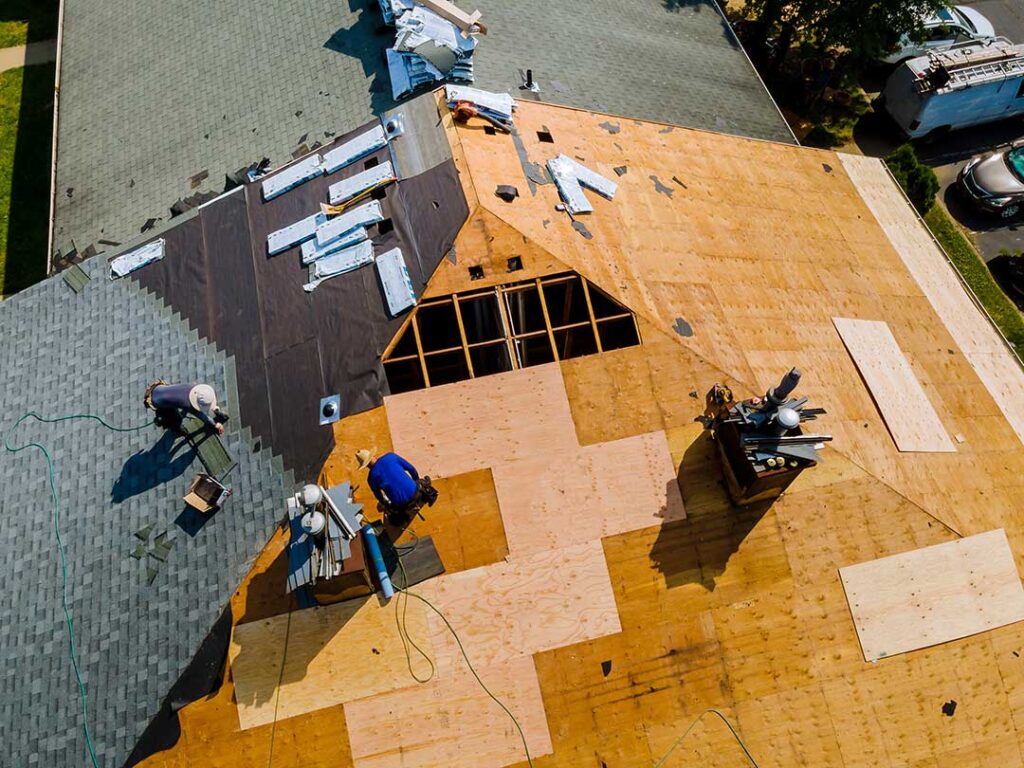
- Exposed roofing underlayment or bare roof areas
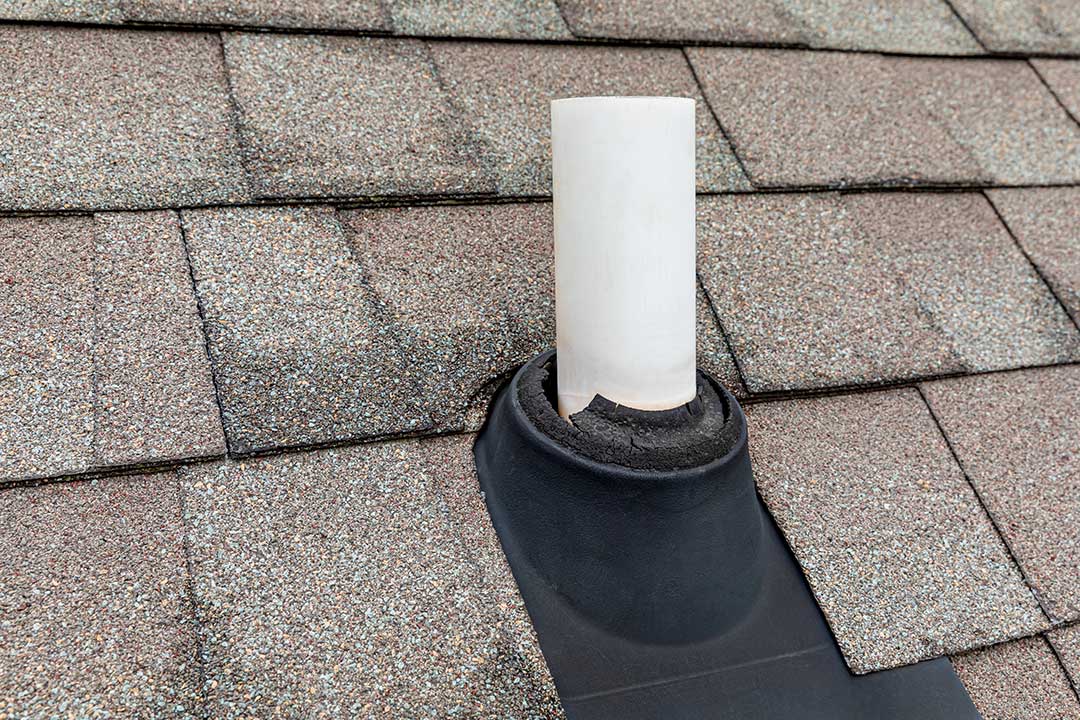
- Damaged flashing around chimneys, vents, skylights, and roof edges
- Sagging sections along the roof surface or gutters
- Gutters that are loose, overflowing, or packed with leaves
- Tree limbs resting on or hanging directly over the roof
- Signs of water staining in the attic or on upper-floor ceilings
- Loose vent covers, pipe collars, or other roof penetrations
A ground-level inspection is often enough to spot warning signs. Binoculars can help with distant areas, but climbing onto a roof before traveling is not necessary. A wet, steep, icy, or damaged roof presents a fall risk, particularly during changing weather in Greene.
Why do gutters matter before a trip?
Blocked or poorly secured gutters can cause water to collect along roof edges and run behind fascia boards. During heavy rain, overflowing water may reach siding, windows, foundations, or interior walls.
Before leaving, remove leaves, twigs, and sediment from gutters and downspouts if it can be done safely from the ground or a stable ladder. Confirm that downspouts discharge water away from the foundation rather than directly beside it.
Gutter problems can be easy to overlook because they may not cause an interior leak immediately. A blockage that seems minor during a dry week can become a serious drainage problem during a strong rainstorm. Downspout extensions should also remain connected and clear.
How should the roof be prepared for rain and wind?
Strong wind and heavy rain are more likely to expose loose materials than a calm-weather inspection. Check whether shingles appear lifted at the edges, especially near roof corners, ridges, and eaves. Loose flashing or vent components may also allow wind-driven rain to enter.
Do not cover a roof with a tarp unless it can be secured safely and without causing additional damage. Improperly fastened tarps may tear shingles, trap moisture, or become airborne during high winds. If a roof has an active leak or a visibly open area, temporary protection may be appropriate only when it can be installed without unsafe climbing.
Inside the home, check the attic for damp insulation, dark wood, mold-like spotting, or daylight visible through the roof deck. A small stain does not always indicate an active leak, but it should not be ignored before leaving for an extended period.
What should homeowners do about snow and ice?
For vacations during the colder months, snow and ice deserve special attention. Snow itself is not automatically a roof emergency, but heavy accumulation can add substantial weight, especially to roofs with older framing, low slopes, or existing structural concerns.
Ice dams may form when heat escapes into the attic and melts snow near the warmer upper roof areas. The water can refreeze near colder eaves and back up beneath shingles. Proper attic insulation, air sealing, and ventilation reduce the likelihood of this problem, but they do not guarantee that ice dams will not form.
Before a winter trip:
- Keep attic vents unobstructed.
- Make sure bathroom and kitchen exhaust vents discharge outdoors, not into the attic.
- Avoid storing items against soffit vents.
- Check for previous ice-dam staining or recurring leaks.
- Arrange for someone to observe unusual snow buildup if the home will be vacant for a long period.
Do not use a roof rake, shovel, or ice-removal tool from a dangerous position. Removing snow or ice from a roof can damage shingles and create a serious fall hazard.
Should trees and branches be addressed before vacation?
Trees near a house should be examined for dead, split, or weak branches that could fall during wind, wet snow, or freezing rain. Branches that touch the roof can scrape shingles and may provide a path for animals to reach roof edges or attic openings.
Branches do not need to be removed simply because they are near the house. The most concerning conditions are dead limbs, heavy overhanging branches, visible cracks, leaning trees, and limbs already resting on the roof or utility lines.
If a tree-related condition requires climbing, cutting overhead limbs, or working near electrical lines, it is not a suitable do-it-yourself task. Safety takes priority over completing the inspection before departure.
How can attic ventilation and insulation affect an empty house?
An unattended home still experiences temperature changes, and the attic can become especially cold or warm depending on the season. Poor ventilation and inadequate insulation may contribute to condensation, ice dams, roof-deck deterioration, and higher indoor humidity.
Look for:
- Wet or compressed insulation
- Rusted nails or metal fasteners
- Frost on the underside of the roof deck during cold weather
- Bathroom or dryer exhaust entering the attic
- Blocked soffit, ridge, gable, or other ventilation openings
- Musty odors or repeated condensation
Roof ventilation is not simply a matter of adding more vents. The system must allow air to enter and exit properly. Adding vents without correcting blocked intake areas or air leaks from the living space may not solve the underlying problem.
What should be done inside the house before leaving?
Roof preparation also includes reducing the consequences of a possible leak. Confirm that smoke alarms and carbon monoxide alarms are working, especially if the home uses fuel-burning equipment. A smart water-leak sensor or monitored alarm can provide an early warning, although it should not replace basic roof maintenance.
If the house will be vacant during freezing weather, decide how plumbing and heating will be managed. Frozen pipes can create interior water damage that may be mistaken for a roof leak. Maintaining safe indoor temperatures and following the home’s heating-system instructions can reduce that risk.
It is also useful to leave clear instructions for a trusted person who may check the property. That person should know the location of the main water shutoff, electrical panel, heating controls, and any areas where previous roof or drainage problems have occurred.
Is it safe to leave a roof problem until after vacation?
Some roof defects can wait briefly, but active leaks, sagging, missing sections, exposed decking, major storm damage, and loose materials should not be left unattended. These conditions can worsen with one rainfall or wind event.
A minor cosmetic issue is different from a condition that allows water into the building. If interior water staining is growing, insulation is wet, ceiling materials are bulging, or daylight is visible through the roof, the problem requires prompt attention before leaving.
Avoid making last-minute repairs in unsafe weather. A rushed repair performed on a wet, icy, or unstable roof may create a greater hazard than the original defect. The safest approach is to complete routine checks early, correct clear problems before departure, and arrange property monitoring when the house will be empty for an extended period.
What should be checked after returning?
After vacation, inspect ceilings, upper walls, attic areas, gutters, and the ground around the home. Look for fresh stains, damp insulation, fallen branches, loose shingles, overflowing gutters, and changes in roof appearance.
A storm may cause damage that is not immediately visible from the driveway. If a problem appears after heavy rain, wind, snow, or ice, document what is visible and avoid disturbing damaged materials until the area can be evaluated safely.
Regular seasonal inspections are especially useful for area households because roof performance depends on repeated cycles of rain, freezing temperatures, snow, wind, and summer heat. Preparing before a trip is not a substitute for ongoing maintenance, but it can reduce the chance that a small roofing or drainage issue becomes an urgent problem while the home is empty.
