
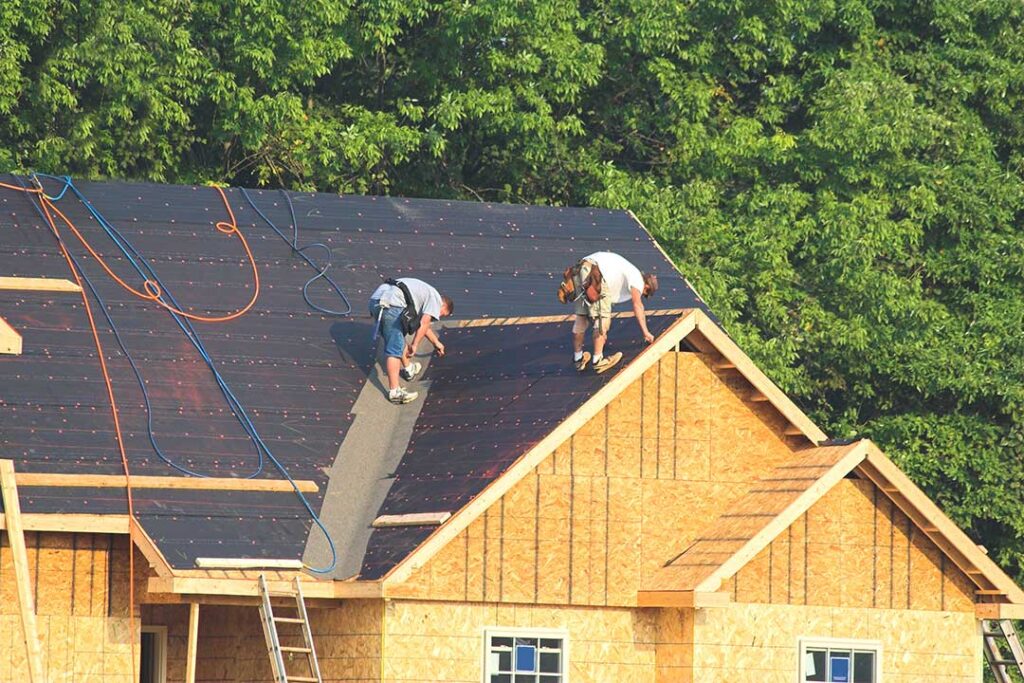
How often should a roof be inspected in Greene, NY?
Most homes should receive a roof inspection at least once every two years, with an additional inspection after severe weather or when visible problems appear. Older roofs, roofs with previous leaks, and properties surrounded by mature trees may need closer attention.
For households in Greene, NY, scheduling an inspection in late spring or early summer is often practical. By then, winter snow, ice, wind, and freeze-thaw cycles have passed, making it easier to identify damage that developed during the colder months. A second inspection in early fall can also be useful for homes with older roofing materials or known problem areas.
A roof inspection is different from routine maintenance. An inspection is a systematic review of roofing materials, flashing, drainage, penetrations, and visible attic conditions. It can reveal problems before they become interior leaks or structural damage.
Why is late spring a good time for a roof inspection?
Late spring inspections can identify damage left behind by winter weather. Snow and ice do not always cause immediate leaks. Instead, they may loosen shingles, bend flashing, damage seals around vents, or create small openings that become noticeable during later rain.
Winter conditions can affect a roof in several ways:
- Repeated freezing and thawing can widen small cracks.
- Ice buildup can stress roof edges, flashing, and gutters.
- Strong winds can lift or shift shingles.
- Heavy snow can expose weak areas or worsen existing damage.
- Falling branches may cause punctures or bruising that are difficult to see from the ground.
Spring rain is another reason to pay attention. Persistent moisture can expose a damaged roof more clearly than a single storm. Water may enter around chimneys, plumbing vents, skylights, valleys, or roof edges even when the main field of shingles appears intact.
A spring inspection is especially helpful if there were leaks, unusual ceiling stains, missing shingles, or heavy ice accumulation during the previous winter.
Should a roof be inspected before winter?
An early fall inspection can help identify conditions that may become more serious during the cold season. The goal is not to guarantee that a roof will remain problem-free, but to find manageable defects before snow, ice, and limited daylight make repairs more difficult.
Before winter, an inspection may focus on:
- Loose, curled, cracked, or missing shingles
- Damaged ridge caps and exposed fasteners
- Weak or deteriorated flashing
- Blocked or poorly draining gutters
- Sagging roof lines
- Moss or organic growth that holds moisture
- Attic moisture, staining, or inadequate ventilation
- Areas where tree limbs could fall onto the roof
A roof does not need to be visibly old to deserve a pre-winter review. Storm damage, previous patching, poor drainage, and nearby trees can affect performance regardless of the roof’s age.
When should a roof be inspected after a storm?
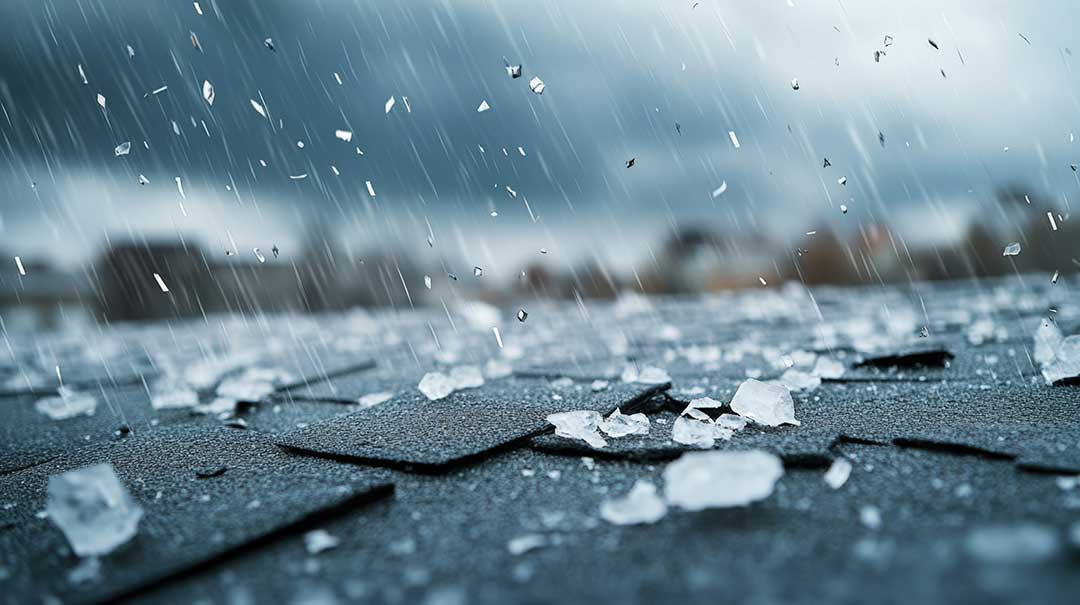
An inspection is reasonable after strong wind, hail, heavy rain, falling branches, or unusual snow and ice conditions. It is particularly useful when nearby properties show damage or when the home experiences symptoms such as new water stains, dripping, drafts, or pieces of roofing material in the yard.
Some storm damage is easy to see, but much of it is not. A shingle may remain in place while its seal is broken. Granules may be missing from a concentrated area. Flashing may bend without creating an immediate indoor sign of trouble.
After a major storm, avoid climbing onto the roof. Wet surfaces, steep slopes, loose materials, and hidden damage create fall hazards. A ground-level visual check can note obvious changes, but roof surfaces and attic spaces may require a person with appropriate safety equipment and experience.
If water is actively entering the home, contain it with buckets or containers, move belongings away from the affected area, and avoid electrical fixtures near wet areas. Urgent hazards such as a sagging ceiling, exposed wiring, or a large opening should be treated as safety issues rather than routine maintenance.
What signs mean an inspection should happen sooner?
A roof should be checked sooner than the normal seasonal schedule when warning signs appear. Small symptoms can develop gradually, and the visible location inside the home may not match the actual entry point on the roof.
Common signs include:
- Brown, yellow, or expanding ceiling stains
- Damp insulation or musty attic odors
- Drips during rain or after snow melts
- Daylight visible through the roof deck
- Shingles that are missing, lifted, cracked, or heavily curled
- Loose granules collecting in gutters or at downspouts
- Sagging along the roof surface or interior ceiling
- Peeling paint or damp drywall near upper walls
- Water around skylights, chimneys, or vent pipes
- Gutter sections pulling away from the roof edge
A leak that appears only during wind-driven rain can still indicate a significant issue. Intermittent leaks are often harder to locate because water may travel along rafters, sheathing, insulation, or framing before becoming visible.
How does roof age affect inspection timing?
Roof age should influence inspection frequency, but age alone does not determine condition. Installation quality, ventilation, drainage, tree cover, weather exposure, and previous repairs all matter.
As roofing materials age, inspections may need to occur annually rather than every two years. Older roofs are more likely to have brittle materials, weakened seals, exposed fasteners, and flashing that no longer sheds water effectively.
Records can help clarify timing. Useful information includes the approximate installation year, material type, previous leak locations, storm repairs, and any changes to chimneys, vents, skylights, or roof-mounted equipment. If the installation date is unknown, visible wear and attic conditions can provide helpful clues, although they cannot establish an exact age.
Do gutters and attic spaces matter during a roof inspection?
Yes. A roof inspection should consider the entire water-management system, not just the shingles. Gutters, downspouts, drainage paths, roof edges, valleys, and flashing all influence whether water leaves the structure properly.
Clogged or poorly positioned gutters can cause water to back up beneath roof edges or spill near foundations. In areas with mature trees, leaves and small branches may create recurring blockages. Winter ice can also worsen weak gutter connections.
The attic provides another view of roof performance. Dark stains, damp insulation, rusty fasteners, mold-like growth, or compressed insulation may indicate moisture or ventilation problems. However, attic findings need to be interpreted carefully because condensation can sometimes resemble a roof leak.
What should residents do between inspections?
Routine observation can help identify changes early. From the ground, look for missing shingles, uneven roof lines, damaged flashing, sagging gutters, and branches resting on or close to the roof. After major weather, check upper ceilings and attic areas for new moisture.
Keep gutters and downspouts clear, maintain trees so dead limbs do not threaten the roof, and avoid attaching equipment or decorations in ways that puncture roofing materials. Do not pressure-wash shingles or scrape aggressively at roof surfaces, since these actions can remove protective granules or cause additional damage.
For most homes, a late-spring inspection provides a useful review after winter, while an early-fall inspection offers a chance to address concerns before snow and ice arrive. Homes with active leaks, storm damage, substantial tree exposure, or aging materials should be evaluated sooner rather than waiting for the next seasonal checkpoint.
