

Homeowners insurance can help protect a roof after certain sudden, accidental events, but it generally does not function as a maintenance plan. For residents of Greene, NY, the difference between storm damage and ordinary deterioration is often the central question in a roofing claim.
A policy may cover damage from wind, hail, falling objects, fire, or other listed causes. It usually does not cover a roof simply because it has reached the end of its useful life or was not properly maintained.
Does homeowners insurance cover roof damage?
Usually, coverage depends on three factors: what caused the damage, what the policy excludes, and how the roof was maintained.
A sudden storm event may be covered if wind or hail damages shingles, flashing, roof vents, or other components. If the covered damage allows water to enter the home, related interior damage may also qualify, subject to the policy’s terms and deductible.
Insurance commonly excludes:
- Normal aging and expected wear
- Rot, deterioration, or long-term moisture damage
- Poor maintenance
- Defective construction or installation
- Damage caused by animals, insects, or birds
- Water intrusion that developed gradually
- Flooding, unless separate flood coverage applies
Coverage is not determined by the presence of a leak alone. The insurer generally looks for the cause of the leak and whether that cause is included in the policy.
How are winter weather and storms treated in Greene?
Seasonal conditions can place repeated stress on roofing systems. Snow accumulation, freeze-thaw cycles, ice formation, strong wind, falling branches, and heavy rain may expose existing weaknesses.
A roof that leaks during a storm is not automatically considered storm-damaged. For example, wind may tear or lift shingles, creating a covered opening. By contrast, shingles that have become brittle over many years may fail during rainfall because of age rather than because of a single covered event.
Ice dams require careful review. Water entering because of an ice dam may be treated differently from water entering through a wind-damaged roof. Some policies provide limited coverage or require a specific endorsement, while others exclude certain forms of ice-related damage.
Photographs taken before and after severe weather can help establish the roof’s condition and the timing of the problem.
What is the difference between replacement cost and actual cash value?
Replacement cost coverage is intended to pay the cost of replacing damaged property with similar new materials, subject to policy limits, deductibles, and required procedures.
Actual cash value accounts for depreciation. Under this approach, the payment may reflect the roof’s age and remaining useful life rather than the full cost of new roofing materials.
A policy may provide replacement cost for some losses but actual cash value for an older roof. Some insurers may also limit roof coverage based on age, condition, or the type of roofing material. The declarations page and policy endorsements are more reliable than general assumptions about what “full coverage” means.
The deductible also matters. If the repair cost is only slightly higher than the deductible, filing a claim may provide limited financial benefit. A deductible is not the same as a contractor’s price reduction; it is the portion of a covered loss that the homeowner generally pays.
What should a homeowner do after suspected storm damage?
The first priority is preventing additional damage without creating a safety hazard.
If water is entering the home, place containers under active leaks, move belongings away from the affected area, and document stained ceilings, wet insulation, damaged walls, and damaged personal property. Do not climb onto a wet, icy, or visibly unstable roof.
Temporary measures may be appropriate to limit further water entry. Keep receipts for reasonable emergency expenses, because some policies may address mitigation costs when the underlying loss is covered.
Before repairs begin, document:
- The date and approximate time of the storm
- Weather conditions noticed at the property
- Exterior and interior damage
- Any fallen branches or nearby debris
- Previous roof photographs, inspection records, or repair invoices
- Temporary repairs and related receipts
An insurer may send an adjuster to inspect the property. A roofing inspection can also help identify whether damage appears sudden or related to age, but no inspection can guarantee that a claim will be accepted.
Should a homeowner repair the roof before filing a claim?
Emergency protection should not be delayed if failing to act could worsen the damage. Permanent repairs, however, should generally be coordinated with the insurer’s claim process when practical.
Replacing the entire roof before the insurer has inspected it can make it harder to evaluate the original condition. Preserve damaged materials when reasonably possible, and take clear photographs before removing anything.
A homeowner should not deliberately leave a property exposed to rain or other hazards just to preserve evidence. Temporary protection and permanent replacement are different steps. The goal is to prevent additional loss while maintaining useful documentation.
Does insurance pay for a roof that is old but still functioning?
Usually, age alone is not an insured event. A roof may be old, worn, or near the end of its expected service life without creating a covered claim.
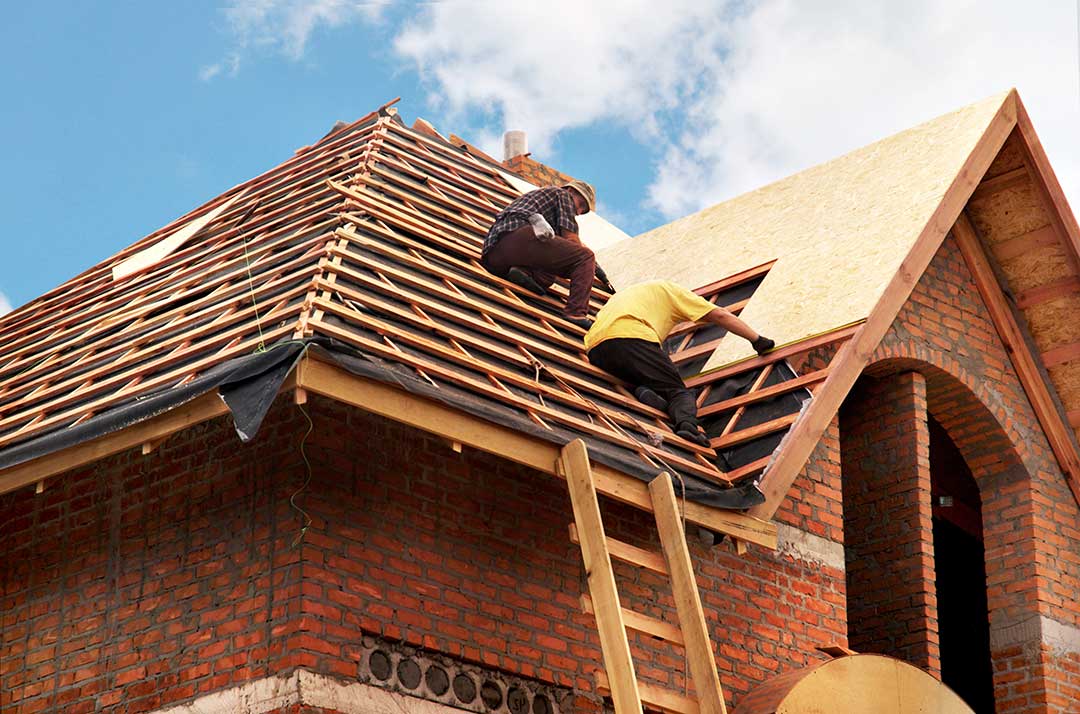
Insurance may pay for a covered portion of damage even when the roof is older, but depreciation, exclusions, matching provisions, and policy-specific roof limitations can affect the settlement. If only part of the roof is damaged, the policy may not automatically pay for a complete replacement unless the policy, local requirements, or the extent of damage supports that result.
A roof’s age can also affect underwriting. An insurer may request photographs, an inspection, proof of repairs, or information about the roof’s installation date.
Can roof maintenance affect insurance coverage?
Yes. Homeowners are generally expected to take reasonable steps to prevent avoidable damage. Maintenance records can also help show that a roof was in serviceable condition before a storm.
Useful records may include:
- Roofing invoices and warranties
- Inspection reports
- Photographs of the roof taken during different seasons
- Documentation of flashing, chimney, vent, or gutter repairs
- Notes about leaks and when they were corrected
- Receipts for emergency tarping or water cleanup
Routine maintenance does not guarantee coverage, but it can help distinguish sudden storm damage from long-term neglect. It may also reveal small problems before they become interior water damage.
What policy details should Greene homeowners review?
A yearly policy review can clarify what protection is actually available. Pay particular attention to:
- The roof’s coverage basis: replacement cost or actual cash value
- Wind and hail deductibles
- Exclusions for wear, neglect, ice, water backup, or flooding
- Coverage limits for detached structures
- Additional living expense coverage if the home becomes uninhabitable
- Requirements for reporting losses promptly
- Duties to protect the property after damage
- Endorsements affecting older roofs or specific roofing materials
Flood damage is generally not covered by a standard homeowners policy. Water entering from a rising body of water is different from rain entering through a storm-damaged roof, and the distinction can affect coverage.
What if the claim is denied or the payment seems too low?
Ask for the decision and the policy language supporting it in writing. Review the adjuster’s explanation, photographs, scope of damage, depreciation, deductible, and any exclusions cited.
If disagreement remains, homeowners may seek clarification from the insurer, review the policy with a licensed insurance representative, or learn about complaint and dispute options available through New York’s insurance regulator. Public adjusters and attorneys have different roles and costs, so their terms should be understood before entering an agreement.
The most useful protection is knowing the policy before a storm occurs. A clear record of the roof’s age, condition, maintenance, and prior repairs can make the claims process easier to understand and less dependent on guesswork.
