

What does hurricane preparation mean for a roof in Greene, NY?
Preparing a roof for hurricane season means reducing the chances of wind damage, preventing avoidable water entry, and making sure drainage systems can handle heavy rainfall. In Greene, tropical storms may weaken before reaching the area, but they can still bring strong gusts, prolonged rain, fallen trees, power outages, and localized flooding.
The Atlantic hurricane season officially runs from June 1 through November 30, with the greatest activity generally occurring from August through October. The calendar should not be the only guide, however. A roof should be checked before severe weather is forecast, not while a storm is already approaching.
What should be inspected before storm season?
A visual inspection from the ground can reveal several warning signs. Use binoculars if needed, and avoid climbing onto a wet, steep, or damaged roof.
Look for:
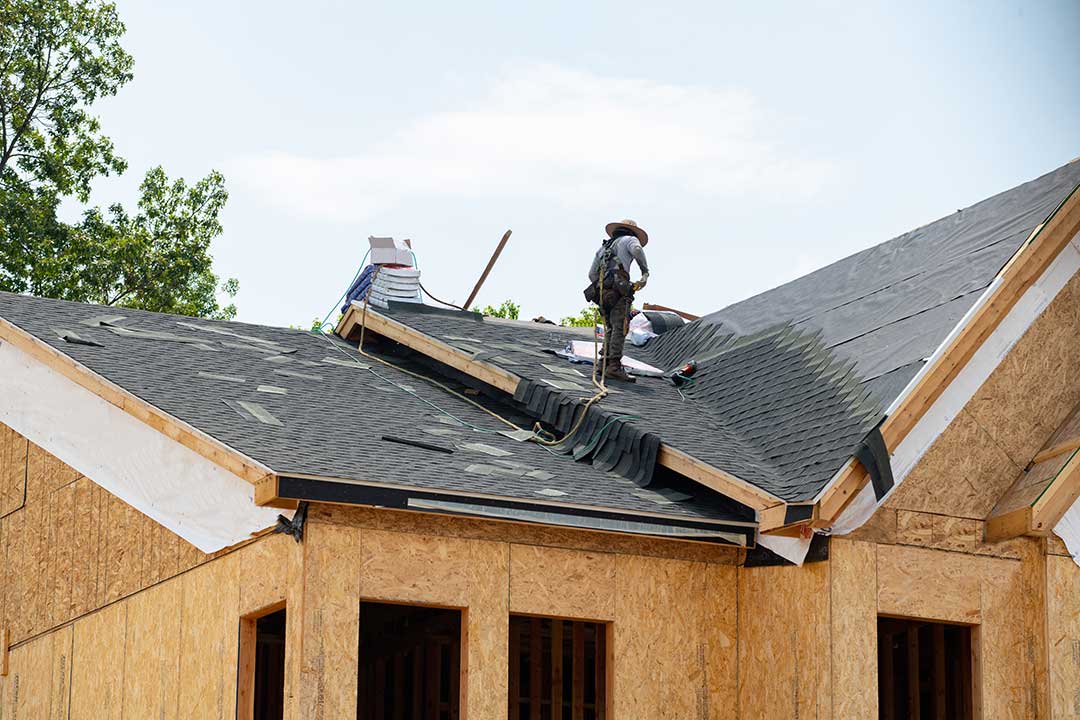
- Missing, lifted, cracked, curled, or loose shingles
- Exposed nail heads or sections of roof decking
- Damaged flashing around chimneys, skylights, vents, and wall intersections
- Sagging areas along the roofline
- Loose gutters, downspouts, fascia, or soffit panels
- Moss or debris that may conceal damaged roofing materials
- Tree limbs resting against or hanging over the roof
- Water stains on ceilings, attic rafters, or upper walls
Small defects can become larger openings when wind-driven rain gets underneath roofing materials. A roof does not need to experience hurricane-force winds to leak. Gusts from thunderstorms or the outer bands of a tropical system may be enough to disturb already weakened materials.
Why are gutters and downspouts part of hurricane preparation?
Gutters and downspouts help move heavy rainfall away from the roof and foundation. If they are clogged, loose, or poorly directed, water may back up beneath roof edges, spill against siding, collect near the foundation, or enter basements and crawl spaces.
Before the season:
- Remove leaves, twigs, and roof granules from gutters.
- Confirm that gutters are firmly attached and not pulling away from the fascia.
- Check that downspouts are connected and discharge water away from the foundation.
- Clear roof valleys and areas around drains or scuppers.
- Make sure splash blocks or extensions have not shifted.
In areas with older housing, additions, garages, and varied rooflines, water may drain differently from one section of a property to another. A downspout that appears functional may still discharge too close to a basement wall or low-lying area.
How can trees and outdoor objects cause roof damage?
Wind often turns loose outdoor items into debris that can strike shingles, flashing, skylights, windows, and vents. Tree limbs are another major concern, particularly when branches are dead, split, or positioned directly above the roof.
Before a storm threatens the area, secure or store:
- Patio furniture and umbrellas
- Grills and lightweight outdoor equipment
- Trash and recycling containers
- Planters, decorations, and children’s outdoor items
- Ladders, tools, and construction materials
Do not attempt to cut large, unstable, or storm-damaged limbs from a roof or near power lines. These conditions create fall, electrical, and crushing hazards. If a tree is already leaning toward the house, the risk should be addressed before severe weather arrives.
Should roof shingles be replaced before a storm?
Not every aging roof requires immediate replacement, but visibly loose or damaged materials should not be ignored. Shingles that are brittle, cracked, or missing have less ability to resist wind and shed water.
A roof with a history of leaks deserves particular attention. Look in the attic for damp insulation, darkened wood, daylight through the roof deck, or musty odors. Check around penetrations such as plumbing vents and exhaust fans, because these areas can allow water in even when the main field of shingles appears intact.
Temporary coverings may reduce water entry after damage, but they are not a substitute for permanent repair. Never climb onto a roof during high winds, active rain, or lightning.
How do attic ventilation and insulation affect storm readiness?
Proper attic ventilation does not prevent hurricane damage, but it supports the long-term condition of roofing materials by helping manage heat and moisture. Blocked vents, wet insulation, or poor airflow can contribute to wood deterioration and mold growth, making the roof system less resilient over time.
Check that:
- Soffit vents are not blocked by insulation or debris.
- Ridge, gable, or other attic vents are intact.
- Bathroom and kitchen exhaust fans vent outdoors rather than into the attic.
- Attic insulation is dry and free of visible mold.
- There are no signs of daylight or water entry around roof penetrations.
Vent covers should be secure, but they should not be sealed in a way that prevents normal attic airflow.
Are roof straps or other structural upgrades necessary?
Roof coverings are only one part of a home’s storm-resistance system. The roof deck, framing, wall connections, and foundation all work together. In some homes, metal connectors or straps may improve the connection between roof framing and exterior walls, but installation depends on the building’s design, age, construction, and applicable code requirements.
These upgrades are not simple do-it-yourself work because they may require access to concealed framing and may affect structural performance. Questions about structural connections, major roof repairs, or code compliance should be handled by a qualified building professional familiar with local requirements. Electrical modifications, especially in flood-prone areas, require a licensed electrician.
What should residents do when a hurricane or tropical storm is forecast?
Once a warning or strong storm forecast is issued, focus on observation and preparation rather than attempting major roof work.
Complete these steps early:
- Bring in or secure loose outdoor objects.
- Clear gutters and nearby drains if conditions are still safe.
- Close and latch windows, doors, and attic openings.
- Move valuables away from areas with a history of leaking.
- Photograph the roof, exterior, and interior ceilings for records.
- Keep flashlights, batteries, chargers, water, and emergency supplies accessible.
- Know where to shelter in an interior room away from windows.
- Follow evacuation instructions and avoid flooded roads.
Do not inspect the roof during the storm. Wind can lift materials without warning, and falling branches, power lines, and slippery surfaces may be hidden by rain or darkness.
What should be checked after the storm?
Wait until winds have stopped and local officials consider travel and outdoor activity safe. From the ground, look for missing roofing materials, sagging gutters, displaced flashing, tree impacts, and new ceiling stains.
Do not enter an attic beneath a visibly sagging roof or near damaged electrical wiring. Do not walk beneath hanging branches, loose siding, or unstable roof edges. If water is entering, place containers beneath drips only when doing so does not require entering an unsafe area. Keep people away from wet electrical fixtures and flooded spaces.
A careful pre-season inspection, clean drainage system, secure outdoor area, and clear emergency plan can reduce preventable roof problems. The goal is not to make a home storm-proof; it is to identify weaknesses early and avoid turning a manageable repair into a dangerous emergency.
