
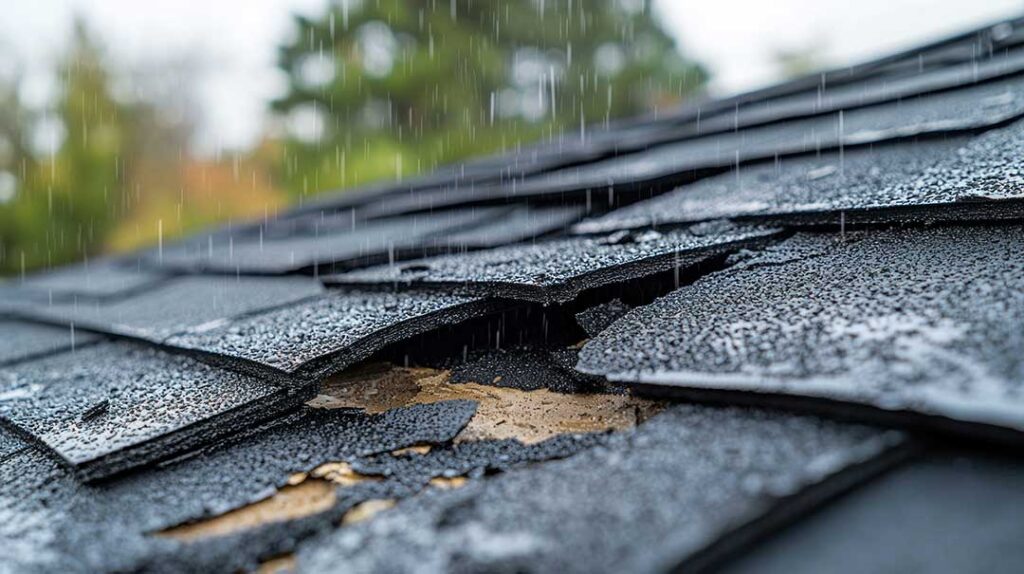
A roof usually lasts longest when small problems are found before water, ice, wind, or poor ventilation turn them into structural damage. For homeowners in Greene, NY, regular observation and seasonal maintenance are especially useful because roofs must handle freeze-thaw cycles, winter snow, spring moisture, summer heat, and occasional high winds.
What shortens a roof’s useful life?
The most common causes of premature roof failure are not always dramatic. Repeated moisture exposure, blocked drainage, damaged flashing, attic condensation, and neglected minor repairs can gradually weaken roofing materials and the wood beneath them.
Common sources of wear include:
- Ice forming along roof edges and backing water under shingles
- Leaves, pine needles, and other debris holding moisture against the roof
- Clogged gutters or downspouts
- Missing, cracked, lifted, or loose shingles
- Damaged flashing around chimneys, vents, skylights, and roof-to-wall intersections
- Poor attic insulation or ventilation
- Tree limbs rubbing against the roof
- Moss or algae retaining moisture in shaded areas
- Improperly installed roof penetrations, such as exhaust vents or satellite mounts
A roof does not need to look severely damaged to have a developing leak. Water may travel beneath the roof covering before appearing on a ceiling or wall.
How often should a roof be inspected?
A basic visual inspection twice a year is a useful routine, generally in spring and fall. Additional checks make sense after a major windstorm, heavy snowfall, ice event, or prolonged rainfall.
From the ground, look for:
- Shingles that are missing, curled, cracked, blistered, or out of alignment
- Dark patches or areas that appear smoother than surrounding shingles
- Sagging sections along the roofline
- Granules collecting in gutters or at the base of downspouts
- Rusted or displaced flashing
- Exposed underlayment, fasteners, or roof decking
- Water stains in attic spaces, ceilings, or upper walls
A ground-level inspection is safer than climbing onto the roof. Shingles can become slippery, and roof surfaces may be weaker than they appear. Any inspection involving steep slopes, fragile materials, snow, ice, or suspected structural damage should be handled with appropriate safety equipment and experience.
Why do gutters and downspouts matter so much?
Gutters protect the roof edge, siding, foundation, and soil around the home by directing runoff away from the building. When they are packed with leaves or ice, water can overflow against fascia boards or back up beneath the roof edge.
Clean gutters at least once in spring and once in late fall, with additional attention after nearby trees shed heavily. Check that:
- Gutters are securely attached and do not sag
- Water flows toward the downspouts
- Downspouts discharge several feet away from the foundation where practical
- Elbows and outlets are not blocked
- Water is not spilling behind the gutter
- Snow or ice has not pulled sections away from the roof edge
Gutter cleaning alone cannot correct an underlying roof design or drainage problem, but it removes one of the most preventable sources of water damage.
How can ice dams be reduced?
Ice dams form when snow melts on a warmer section of the roof and refreezes near the colder eaves. The resulting ice can obstruct drainage and allow water to move beneath the roof covering.
Reducing ice dams usually requires managing heat and airflow, not simply removing visible ice. Helpful measures include:
- Improving air sealing between the living space and attic
- Adding insulation where the attic lacks adequate coverage
- Maintaining clear soffit-to-ridge or soffit-to-high-roof ventilation paths
- Keeping attic exhaust fans, bathroom fans, and dryer vents from releasing moist air into the attic
- Removing heavy snow only with safe, roof-appropriate methods
- Avoiding aggressive chopping that can damage shingles, flashing, gutters, or the roof deck
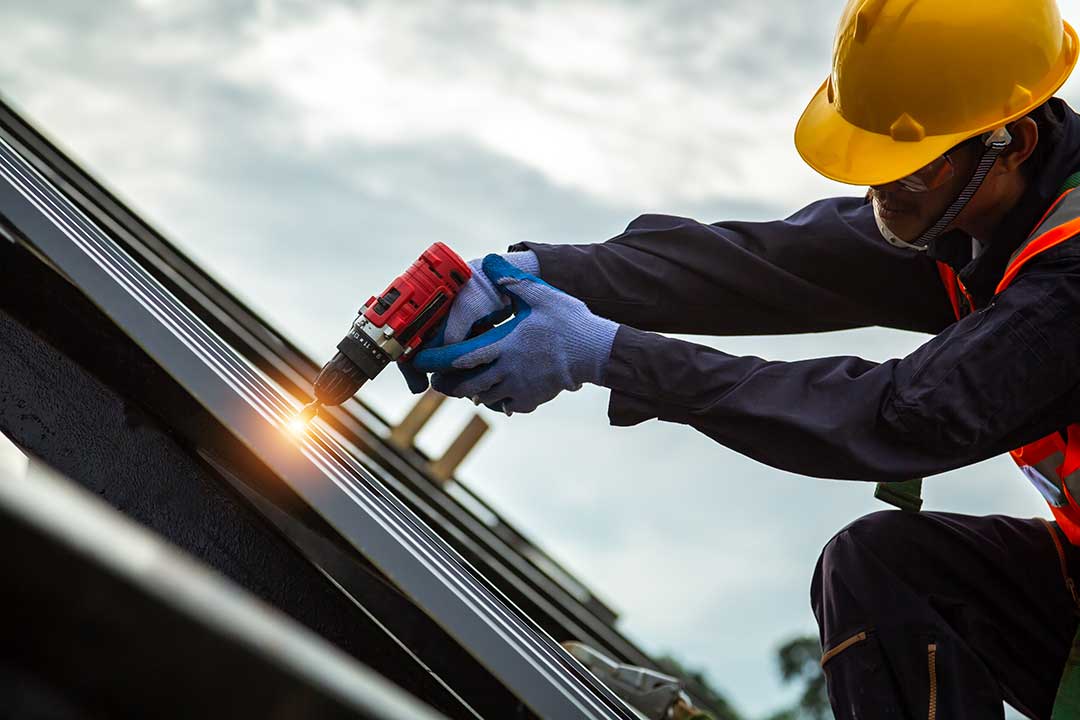
Roof ventilation should be balanced with insulation and air sealing. Adding a vent without addressing warm air leakage from the house may not solve the cause of the problem.
What should homeowners do about moss and algae?
Moss is more concerning than ordinary discoloration because it can hold moisture against roofing materials and lift shingle edges as it grows. It is more likely to develop on shaded roof sections that remain damp after rain or snowmelt.
Do not scrape moss aggressively or use a pressure washer. Those methods can remove protective granules and shorten shingle life. Trim branches that create persistent shade when doing so is safe and appropriate, and keep leaves and organic debris from accumulating on the roof.
Chemical treatments require careful handling because runoff can harm plants, soil, and aquatic environments. Products should never be mixed, and label directions should be followed precisely.
How do trees affect roof longevity?
Branches that touch the roof can abrade shingles during windy conditions. Falling limbs can cause immediate punctures, while smaller twigs may collect in valleys and block water flow.
Keep an eye on trees near the home, especially those with dead branches, divided trunks, visible decay, or significant lean. Branch removal near utility lines or above a roof can be hazardous. Tree maintenance is also useful before winter storms, when ice and snow add weight to limbs.
Leaves should be cleared from valleys, low-slope sections, gutters, and areas behind chimneys or other raised features. Roof valleys carry concentrated water, so even a small blockage can create a leak.
When is a repair better than replacement?
A limited repair may be reasonable when the problem is localized, the surrounding roof remains flexible and intact, and the underlying deck has not been damaged. Examples include replacing a few wind-damaged shingles, resealing a small flashing joint, or correcting a loose pipe boot.
Replacement becomes more likely when the roof has widespread brittleness, repeated leaks, extensive granule loss, sagging decking, multiple layers of old roofing, or damage across several roof slopes. Covering a deteriorated roof with another layer may hide the problem rather than solve it.
A roof that is near the end of its expected service life should be evaluated as a complete system. Shingles, underlayment, flashing, ventilation, insulation, and decking all affect performance.
Which roof details deserve special attention?
Flat or low-slope transitions, valleys, chimneys, skylights, plumbing vents, and roof-to-wall intersections are common leak locations because they involve changes in direction or multiple materials.
After heavy rain, inspect attic areas beneath these details for damp sheathing, staining, musty odors, or daylight showing through openings. Do not assume that the visible stain identifies the exact entry point; water may travel along rafters or roof decking before dripping below.
Roof penetrations should remain properly flashed and sealed without relying solely on exposed caulk. Caulk can deteriorate from sunlight, temperature changes, and movement, so it should not be treated as a permanent substitute for sound flashing.
What seasonal roof-care routine works well in Greene?
A practical annual routine is:
- Spring: Check for winter damage, clear gutters, inspect flashing, and look for ice-dam-related staining.
- Summer: Watch for lifted shingles, heat-related deterioration, moss, algae, and damaged tree branches.
- Fall: Remove leaves and debris, clean gutters, confirm downspouts are open, and inspect attic ventilation.
- Winter: Monitor heavy snow, ice buildup, and unusual interior moisture without walking on icy roof surfaces.
Keep records of repairs, leaks, storm damage, and visible changes. A simple dated photo log can help identify whether a condition is stable or worsening.
Roofing work that changes the roof covering, ventilation, structure, or weatherproofing may be subject to local permitting and inspection requirements. Requirements can vary by property location and project scope, so checking the applicable local code office before substantial work helps prevent avoidable compliance problems.
