
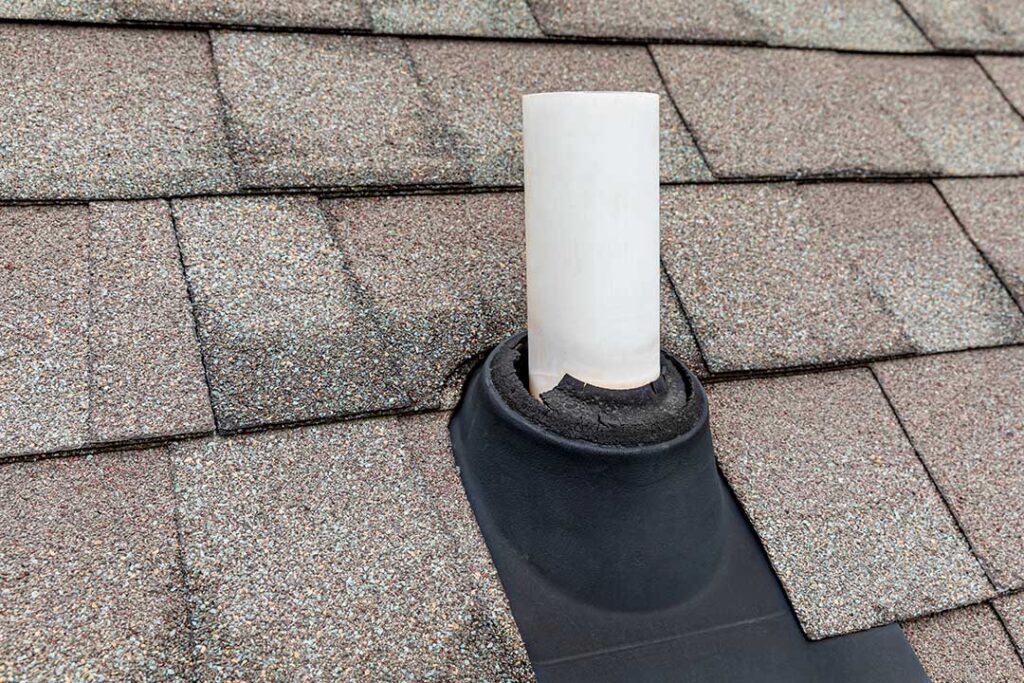
Rain noise is usually caused by a combination of roof materials, attic construction, insulation, and the way water reaches the roof surface. In Greene, NY, where homes may experience long periods of rain, spring storms, summer downpours, and winter weather, reducing that sound often requires looking beyond the shingles themselves.
Why does rain sound loud inside a house?
Rain is most noticeable when drops strike a hard, thin, or poorly isolated roof surface. The impact creates vibrations that travel through the roof covering, roof deck, framing, attic air, and ceiling below.
The sound may be especially strong when:
- The roof has exposed metal panels
- The attic contains little or no insulation
- The roof deck is thin or lightly framed
- Rainwater falls directly onto flashing, valleys, gutters, or low-slope roof sections
- Interior ceilings are vaulted or finished directly against the roof deck
- Gaps around attic hatches, recessed lights, ducts, or wiring allow sound to pass through
A loud roof does not automatically indicate a roofing defect. However, a sudden change in sound may occur alongside loose panels, damaged flashing, missing underlayment, or water entry and should not be dismissed.
Does roof material affect rain noise?
Yes. Roof covering is one of the largest factors, but no material is completely silent.
Asphalt shingles generally produce less noticeable rain noise than exposed metal because their layered, textured surface breaks up some of the impact. Underlayment and the roof deck also help absorb vibration.
Metal roofing can sound louder, particularly when installed over open framing or a lightly built roof assembly. It is not necessarily noisy in every house. A metal roof installed over a solid deck with underlayment, insulation, and a finished ceiling may be much quieter than a poorly isolated roof made from another material.
Tile, slate, and other heavy materials can provide mass that reduces vibration, although their weight may require suitable structural support. Changing roof material solely to reduce noise is usually a major undertaking and is rarely the first step to consider.
Can attic insulation reduce rain noise?
Adding or improving attic insulation is often the most practical way to reduce sound from above. Insulation helps absorb sound energy and limits the movement of air between the roof deck and the living space.
For homes with an accessible attic, insulation is usually placed on the attic floor when the attic is outside the heated and cooled area. This can reduce sound reaching the rooms below while also improving energy performance.
Several details matter:
- Insulation should be evenly distributed rather than pushed into isolated piles.
- Air leaks around the attic hatch, plumbing penetrations, wiring, and light fixtures should be addressed carefully.
- Soffit vents should remain open. Insulation should not block the ventilation path at the roof edges.
- Baffles may be needed to preserve airflow from soffit vents through the attic.
- Damp, compressed, or contaminated insulation may not perform as intended.
Insulation should not simply be packed against the underside of the roof deck without considering ventilation and moisture control. In a cold-weather region, improper changes to the roof assembly can contribute to condensation, ice dams, or hidden moisture damage.
What if the attic ceiling is vaulted?
Vaulted ceilings often transmit more roof noise because there is less attic air space between the roof covering and the finished room. Sound can travel through the roof deck and ceiling materials with fewer layers to absorb it.
Possible improvements include adding sound-absorbing insulation between rafters, improving air sealing, or adding dense interior ceiling layers during a planned renovation. These changes must be designed around the existing roof ventilation system.
A vaulted roof should not be filled with insulation in a way that blocks required airflow or traps moisture. The correct approach depends on whether the roof is vented, how much rafter depth is available, and whether the ceiling finish is being removed.
Can a roof underlayment make the house quieter?
Underlayment may reduce some vibration, particularly when installed as part of a complete roofing replacement. It creates a layer between the roof covering and the roof deck and can also provide a secondary water-control layer.
Its effect on sound is usually limited compared with attic insulation, roof-deck mass, and interior ceiling construction. Underlayment should not be treated as a stand-alone soundproofing product.
During reroofing, other components may also influence noise:
- A solid roof deck provides more mass than widely spaced open framing.
- Additional layers above or below the deck can reduce vibration.
- Properly secured roof panels are less likely to rattle during rain and wind.
- Flashing should be fastened and shaped so it does not act like a loose metal drum.
- Roof penetrations should be sealed without restricting necessary movement in the materials.
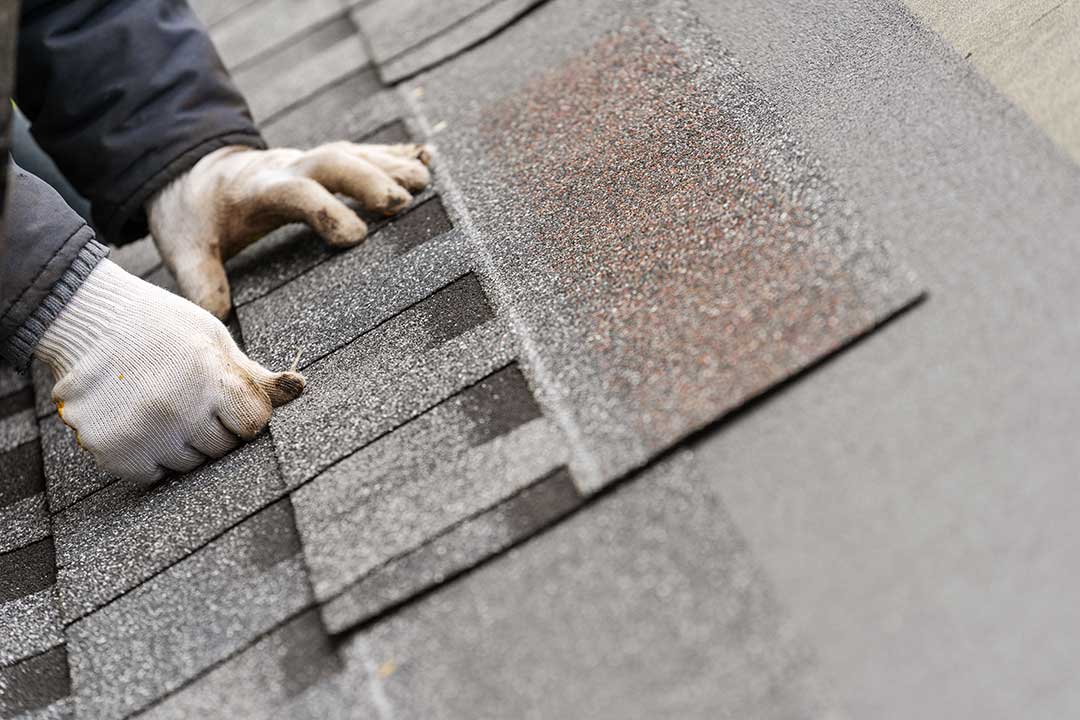
How can gutter and flashing noise be reduced?
Sometimes the loudest sound is not rain striking the main roof. It may be water falling into a metal gutter, striking a downspout elbow, or rushing through a valley.
Listen for where the sound is strongest during a storm. If the noise comes from an interior wall, corner, or ceiling edge, the source may be a downspout or flashing detail rather than the roof field.
Possible measures include securing loose gutter sections, correcting sagging areas, improving downspout connections, and checking whether water is spilling over the back of the gutter. A short section of properly positioned flexible drain material inside a downspout can sometimes soften the sound of falling water, but it should not obstruct drainage or trap debris.
Water should never be redirected toward siding, windows, foundations, or walkways simply to make it quieter.
Are acoustic panels or a new ceiling useful?
Interior sound-control measures can help when roof work is not planned. A denser ceiling finish, resilient channels, or acoustic panels may reduce the amount of sound entering a room. These options are most effective when combined with air sealing because small openings can transmit sound around otherwise heavy materials.
Soft furnishings also affect how loud a storm seems. Rugs, curtains, upholstered furniture, and bookcases reduce reflected sound inside a room. They will not stop roof vibration, but they can make rainfall less sharp and echoing.
A suspended ceiling or decorative acoustic treatment should not conceal active leaks, staining, or damaged framing. Water problems need to be corrected before adding interior finishes.
What should Greene, NY homeowners check during a storm?
The safest observations are made from inside the house or from ground level. Look and listen for:
- New ceiling stains or damp areas
- Dripping near chimneys, skylights, valleys, or roof edges
- A metallic rattle that changes with wind
- Water overflowing from gutters
- Noise that begins only after a recent roof repair
- Musty odors or damp attic insulation
- Sagging ceilings or visible bulges
Do not climb onto a wet roof, especially during wind, lightning, or freezing conditions. If water is entering the home, place a container under the drip, move valuables away from the area, and document the location. Electrical fixtures near water should be treated as a safety concern.
Which noise-reduction approach makes the most sense?
For most homes, the practical order is to identify the sound source, correct any loose or water-related components, improve attic insulation and air sealing where appropriate, and consider roof-deck or ceiling upgrades during planned renovation.
Replacing a sound roof only because rain is noticeable may not provide the expected improvement. A roof with a solid deck, adequate underlayment, properly installed insulation, controlled ventilation, and secure drainage components is generally more comfortable than one relying on roof-covering material alone.
In older homes, the most effective solution may be modest: sealing an attic hatch, restoring displaced insulation, securing a rattling flashing piece, or correcting a noisy downspout. In a vaulted or metal-roof assembly, reducing the sound may require more extensive work and careful moisture planning.
