
What should homeowners check on a roof in fall?
Fall roof maintenance is mainly about finding small problems before leaves, wind, rain, and winter weather make them worse. In Greene, NY, a useful seasonal inspection should cover the roof surface, drainage system, attic, flashing, and areas where branches or debris may collect.
A roof does not need to look damaged from the ground for water to be entering the home. Missing or lifted shingles, dark roof patches, loose flashing, and clogged gutters can all create problems during the colder months.
Begin with a ground-level inspection. Use binoculars if available, but avoid climbing onto a wet, steep, icy, or moss-covered roof. Look for:
- Shingles that are cracked, curled, loose, or missing
- Exposed fasteners or dark areas that may indicate trapped moisture
- Sagging sections along the roofline
- Damaged metal around chimneys, vents, skylights, or roof edges
- Leaves or branches gathered in valleys and behind roof penetrations
- Granules collecting near downspouts or at the base of the home
Why should gutters and downspouts be cleaned before winter?
Gutters and downspouts need to move water away from the roof and foundation. If leaves block the system, rain can overflow against siding, enter behind fascia boards, or collect near the foundation. In freezing weather, trapped water can also become heavy ice that strains the gutter system.
Clean gutters after most leaves have fallen, but inspect them earlier if trees overhang the roof. Removing debris once may not be enough if additional leaves continue to accumulate.
Check that:
- Gutters are securely attached and do not sag
- Water flows toward the downspouts
- Downspouts are not blocked
- Extensions direct water away from the foundation
- Seams and end caps are not leaking
- Water is not spilling over one section during rainfall
Downspout extensions should discharge water far enough away from the foundation to prevent repeated saturation. In areas with sloped yards, make sure the outlet does not send water toward a basement entrance, walkway, or neighboring property.
How can leaves and branches damage a roof?
Leaves hold moisture against roofing materials and can slow drainage, particularly in roof valleys and around chimneys. A layer of damp organic debris may also encourage moss or algae growth. Small branches can scratch shingles, block gutters, and damage flashing when moved by wind.
Do not use a pressure washer or harsh scraping tools on shingles. These methods can remove protective granules and shorten the roof’s service life. From the ground, a long-handled soft roof rake may help remove light debris from a low-slope roof, but it should be used carefully and according to the roofing material’s limitations.
Branches that repeatedly touch the roof should be evaluated for trimming, especially if they hang over the roof or are close to utility lines. Tree work near electrical lines or above a steep roof presents a serious fall and electrical hazard.
What should be checked around chimneys, vents, and skylights?
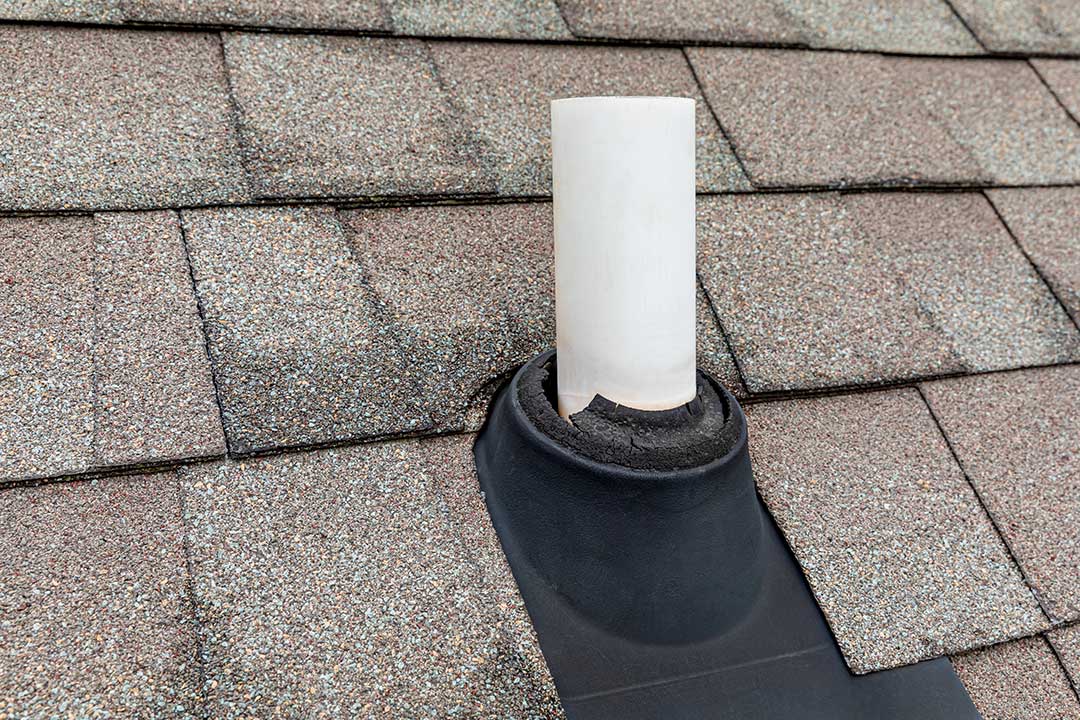
Roof penetrations are common locations for leaks because they interrupt the roofing surface. Fall is a good time to inspect the flashing around chimneys, plumbing vents, exhaust vents, and skylights.
Look for lifted metal, cracked sealant, rust, gaps, or loose components. Pay attention to stains on the ceiling or upper walls beneath these areas. A stain may remain visible after the roof has dried, so the absence of active dripping does not always mean the problem has stopped.
Do not cover a suspected leak with a temporary layer of caulk or roofing cement without understanding where water is entering. Water can travel beneath shingles or along roof decking before appearing indoors. A patch placed in the wrong location may hide the symptom while the underlying damage continues.
Should the attic be inspected in fall?
Yes. An attic inspection can reveal roof and ventilation problems that are not visible outside. Check the underside of the roof deck for water stains, damp insulation, mold-like growth, rusted fasteners, or daylight showing through areas that should be sealed.
Also look for signs of poor ventilation, including excessive moisture, condensation, or frost residue on the underside of the roof deck. Warm, humid air from the living space can move into the attic through gaps around light fixtures, plumbing penetrations, wiring, and attic hatches. If that air condenses in cold weather, it can contribute to damp insulation and deterioration of roof materials.
Make sure bathroom and kitchen exhaust fans vent outdoors rather than into the attic. Keep insulation from blocking designed ventilation paths at the eaves. Ventilation improvements should not be improvised by covering vents or cutting openings without understanding the roof assembly.
How should roof leaks be handled before freezing weather?
A known leak should be addressed before repeated freeze-thaw cycles begin. Water that enters the roof assembly can wet insulation, damage ceiling materials, and deteriorate wood. When temperatures fall below freezing, trapped water may expand and worsen existing cracks or openings.
Inside the home, place a container under an active drip and move valuables away from the area. If the ceiling is bulging, avoid standing beneath it because accumulated water can cause the material to fail. Turn off electricity to a wet light fixture or affected electrical area only if the shutoff can be reached safely without entering water.
Exterior repairs should not be attempted during rain, high winds, frost, or icy conditions. Roof surfaces become especially hazardous in fall because leaves and moisture can make shingles slippery even when temperatures appear mild.
Are roof coatings or sealants needed every fall?
Routine coating is not necessary for most residential asphalt-shingle roofs. Sealants and roof cement have specific uses, but applying them broadly can trap moisture, interfere with proper drainage, or make later repairs more difficult.
A roof should be evaluated based on its actual condition rather than the calendar. Small repairs may be appropriate for isolated damage, while widespread granule loss, repeated leaks, sagging, or extensive shingle deterioration may indicate a larger roofing problem.
Be cautious with products marketed as universal leak solutions. A temporary seal can reduce visible dripping without correcting damaged flashing, deteriorated decking, or inadequate drainage.
What safety precautions matter most?
Roof maintenance should be postponed when surfaces are wet, icy, snowy, or windy. Use stable ground-level methods whenever possible. If a ladder is necessary, place it on firm, level ground, keep three points of contact, and avoid working near overhead electrical lines.
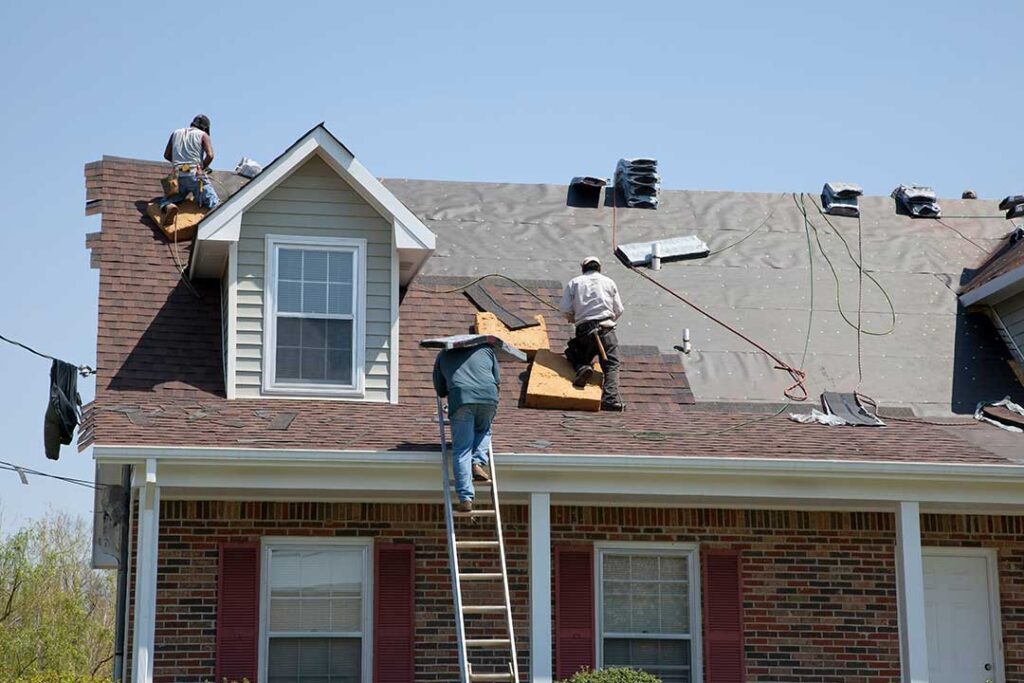
Professional assistance is justified when the roof is steep, high, structurally damaged, difficult to access, or near electrical hazards. It is also appropriate when inspection reveals sagging, major leaks, damaged decking, or extensive storm damage. Fall maintenance is useful only when it can be completed without creating a greater risk than the problem itself.
A simple fall maintenance schedule
For many households, a practical sequence is:
- Early fall: inspect the roof from the ground and check flashing, vents, and attic conditions.
- During leaf drop: remove debris from valleys, gutters, and downspouts as needed.
- After most leaves have fallen: complete a final gutter cleaning and confirm that downspouts drain away from the foundation.
- Before winter storms: secure or remove loose outdoor objects that could strike the roof, check for visible damage, and confirm that attic access covers are properly fitted.
Keeping brief notes or photographs of roof conditions can help track changes from year to year. A recurring stain, sagging gutter, or area of missing granules is easier to recognize when compared with earlier observations.
