
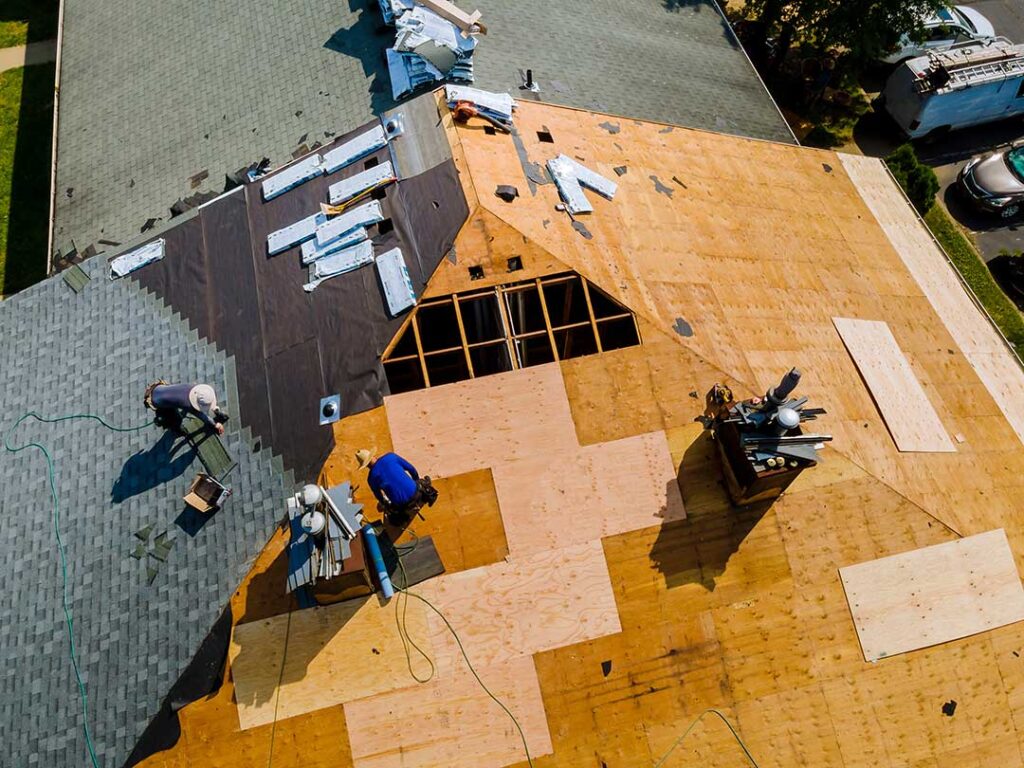
Why roof access is common in Greene, NY
Pests usually enter a roof through small openings that are easy to overlook from the ground. Loose flashing, damaged shingles, uncapped vents, gaps at roof edges, and openings around pipes can provide access to an attic or the enclosed spaces beneath a roof.
Homes in the area experience seasonal changes that affect roofing materials and building joints. Snow, ice, wind, rain, temperature swings, and falling branches can gradually create openings. Older homes may also have worn roof details, aging soffits, or past repairs that leave narrow gaps.
A pest does not need a large hole to get inside. Mice can pass through openings roughly the width of a pencil, while squirrels, bats, birds, and larger animals may enlarge an existing gap or use a weak section of trim.
Which pests commonly get into roofs?
Different animals use roofs for different reasons, but most are seeking shelter, warmth, food, or a protected place to raise young.
Common roof and attic visitors include:
- Mice: These small rodents often enter through gaps at eaves, soffits, roof-to-wall joints, or areas where utility lines pass through the exterior.
- Squirrels: Squirrels may chew through fascia, soffit materials, roof edges, or weakened wood. They are especially noticeable because they can enlarge small openings.
- Raccoons: A raccoon may lift or damage shingles, bend roof flashing, or enter through a large opening near a chimney or roof edge.
- Bats: Bats can use narrow gaps beneath flashing, ridge caps, soffits, and other roof transitions. They may be difficult to detect until droppings or nighttime activity becomes noticeable.
- Birds: Birds often enter through open vents, damaged ridge caps, missing screens, or gaps around chimneys.
- Wasps, hornets, and bees: Flying insects may use roof overhangs, wall cavities, soffits, or vents to build nests.
- Bats and other wildlife: These animals may use attic spaces during weather extremes or seasonal nesting periods.
Not every animal seen on a roof has entered the structure. Squirrels and birds may simply be traveling across the roof, while repeated activity near one location can suggest an entry point.
Where do pests usually enter?
The most vulnerable areas are roof transitions, ventilation openings, and places where different materials meet. These areas often move slightly as the building expands and contracts or as materials age.
Inspect the following locations from the ground when possible:
Roof edges and soffits
The lower edge of a roof is a frequent access point. Loose soffit panels, damaged fascia, missing screens, and gaps where the roof meets the exterior wall can lead directly into an attic or wall cavity.
Wind can loosen panels, while squirrels and other rodents may chew at soft or deteriorated wood. A sagging gutter can also pull against the fascia and create a gap.
Vents and exhaust openings
Roof vents need airflow, but they should be protected with secure screens or properly designed covers. A missing, damaged, or poorly fitted screen may allow birds, rodents, insects, or bats to enter.
Bathroom and kitchen exhaust vents can also become entry points if the exterior hood is cracked, loose, or missing its flap. These openings may be located on the roof, sidewall, or near a roof overhang.
Chimneys and flashing
The areas around chimneys contain several joints where roofing materials, masonry, and metal flashing meet. If flashing pulls away or mortar deteriorates, water and animals may find a path indoors.
An unused chimney may be especially vulnerable if its top is damaged or lacks a suitable cap. Any covering must allow safe ventilation where needed and should not block an active flue.
Roof penetrations
Plumbing vents, electrical conduit, satellite mounts, and other roof penetrations create openings that must be sealed correctly. Aging sealant can crack, shrink, or separate from the surrounding material.
A small gap around a pipe may not look serious, but it can allow insects and rodents to enter. Water staining below the same area may indicate that the opening is also contributing to a leak.
Damaged shingles and roof coverings
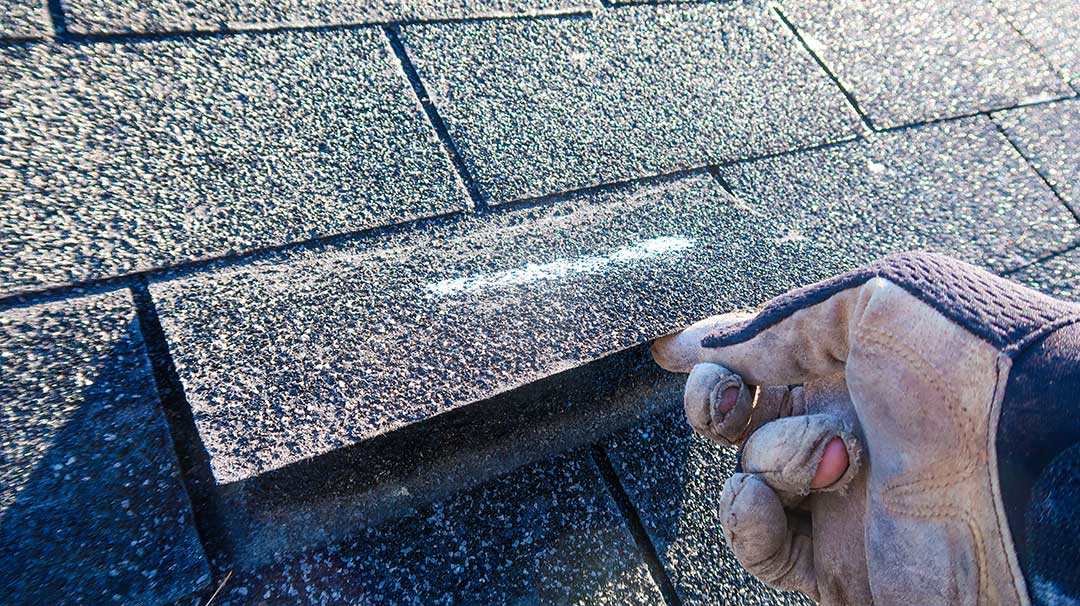
Missing, lifted, cracked, or torn shingles can expose the layers beneath. Animals may take advantage of this weakness, especially if the roof deck or underlayment has become soft.
Storm debris and fallen branches can damage roof coverings without creating an obvious hole. A roof may appear intact from the ground while still having a concealed opening near a ridge, valley, or roof edge.
How can someone tell whether pests are inside the roof?
The clearest signs are unusual sounds, droppings, nesting material, odors, and visible damage. Scratching or rolling noises in the ceiling or attic may indicate animal activity, especially at dawn, dusk, or during quiet nighttime hours.
Other warning signs include:
- Torn insulation or shredded paper used for nesting
- Droppings near attic corners, vents, or rafters
- Grease marks or dirt trails along frequently used paths
- Chewed wood, wiring, plastic, or ventilation materials
- Feathers, fur, nesting debris, or food remains
- Daylight visible through the roof or soffit
- Musty, ammonia-like, or decomposing odors
- Stains or damp insulation near an exterior opening
Sounds alone do not identify the pest. Scratching could come from a mouse, squirrel, bird, or another animal, and different species may occupy the same opening at different times.
Can pests enter through a roof that does not leak?
Yes. A roof can keep out rain while still allowing pests to enter. Water may be blocked by an underlayment or another roofing layer, while a small gap at a vent, soffit, or fascia remains open to animals.
The reverse can also happen: an opening may allow both pests and water inside. Moisture damage can soften wood and make the opening larger, creating a cycle in which structural deterioration and animal access reinforce each other.
A lack of ceiling stains does not prove that the roof is sealed. Attic insulation can absorb or hide moisture, and some entry points lead into wall cavities rather than directly above a finished ceiling.
What roof maintenance helps prevent animal entry?
Regular visual inspections can identify access points before they become larger problems. After major wind, ice, or snow events, look for missing shingles, loose metal, damaged vents, and displaced soffit or fascia materials.
Helpful preventive steps include:
- Keeping tree limbs trimmed away from the roof where practical
- Replacing damaged vent screens and securing loose vent covers
- Checking roof edges for gaps, sagging, and signs of chewing
- Repairing deteriorated fascia, soffits, and roof trim
- Maintaining chimney caps and inspecting chimney flashing
- Sealing gaps around exterior penetrations with materials suited to the location
- Keeping gutters attached and clear enough to prevent water from backing up against roof edges
- Inspecting attic insulation and wood framing for droppings, moisture, or nesting
Repairs should not simply cover an opening without determining whether an animal is inside. Sealing an active nest or trapping an animal indoors can create odor, damage, and animal-welfare problems.
What should be done if an animal is already inside?
The safest response depends on the species, location, and whether young animals are present. Avoid reaching into dark openings, handling wildlife, or disturbing a nest without knowing what is inside. Bats, raccoons, and some other animals can bite or carry diseases, while droppings may create sanitation concerns.
If electrical wiring has been chewed, the roof deck is weak, or the animal is inside a living area, limit access to the affected space and treat the situation as a safety issue. Do not use poison inside an attic, where a hidden animal may die in an inaccessible wall or ceiling cavity.
The entry point should eventually be repaired, but exclusion work is most effective after confirming that animals have left and that no dependent young remain. Once the opening is secured, damaged insulation, wood, wiring, and contaminated materials may also need attention.
Why early attention matters
A small roof opening can become a larger structural problem. Animals may chew materials, disturb insulation, damage wiring, block ventilation, and introduce moisture or waste into enclosed spaces. In cold weather, heat escaping through an attic can also contribute to snow melting unevenly and refreezing near roof edges.
Routine observation from the ground, careful attic checks when conditions are safe, and prompt attention to damaged roof details can reduce the chance that a minor gap becomes an active infestation or a concealed repair problem.
