
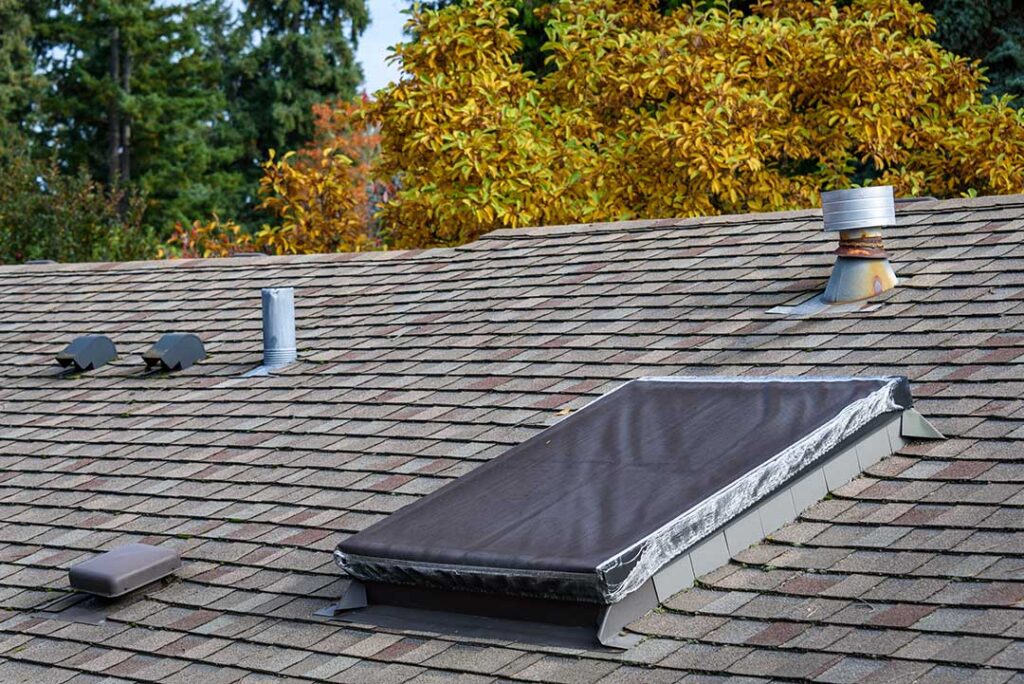
Choosing a roofing contractor is less about finding the lowest price and more about verifying who will perform the work, how the project will be managed, and whether the proposed repair or replacement fits the building. For homeowners in Greene, NY, seasonal weather, older housing, winter conditions, and summer storms make careful evaluation especially worthwhile.
What should be checked before choosing a roofing contractor?
Before comparing prices, confirm that the contractor is established, properly insured, experienced with the type of roof involved, and willing to explain the work in writing. A professional-looking website or a confident sales presentation is not enough by itself.
Useful questions include:
- How long has the contractor operated under the current business name?
- Does the contractor carry general liability insurance and workers’ compensation coverage?
- Who will perform the work, and will subcontractors be involved?
- Has the contractor completed similar roofs in the area?
- What materials and installation methods are being proposed?
- How will weather delays, damaged decking, cleanup, and unexpected conditions be handled?
- What workmanship warranty is provided, and who is responsible if a problem appears later?
Insurance should be verified directly with the insurer when possible. This helps confirm that coverage is current and applies to the work being performed.
How can a homeowner tell whether a roofer is qualified?
A qualified contractor should be able to inspect the roof carefully and describe the findings in understandable language. The explanation should distinguish between visible symptoms and the likely underlying cause.
For example, a ceiling stain may result from damaged shingles, deteriorated flashing, ice-related backup, a plumbing vent, or condensation in the attic. Replacing a few shingles without identifying the water path may not solve the problem.
A thorough evaluation usually considers:
- Shingle or roofing membrane condition
- Flashing around chimneys, walls, vents, and roof edges
- Valleys where water flows from two roof sections
- Gutters, downspouts, and drainage patterns
- Roof ventilation and attic moisture
- Soft or damaged decking
- Signs of wind, hail, ice, moss, or biological growth
- The condition of fascia, soffits, and other connected components
A contractor who cannot explain why a repair is recommended may not be providing enough information for an informed decision.
Should the lowest roofing estimate be accepted?
The lowest estimate is not automatically the best value. A significantly lower price may leave out necessary preparation, disposal, flashing replacement, ventilation work, permits, or repairs to the roof deck.
Compare estimates line by line rather than focusing only on the total. A useful written proposal should identify:
- The approximate amount and type of roofing material
- Removal and disposal of existing roofing
- Underlayment and flashing details
- Ventilation work, if needed
- Treatment of damaged decking
- Protection for landscaping, siding, windows, and driveways
- Cleanup and removal of roofing debris
- Payment schedule
- Start and completion expectations
- Warranty terms and exclusions
If one proposal is much lower than the others, ask what is different. The difference may be reasonable, but it should be explained before signing anything.
What should a roofing contract include?
A roofing contract should describe the project clearly enough that a person unfamiliar with roofing can understand what is included. Verbal promises are difficult to enforce if they do not appear in the written agreement.
The contract should state the contractor’s legal business name, address, contact information, insurance details, scope of work, material specifications, price, payment terms, and warranty information. It should also explain how additional work will be approved.
Unexpected decking damage is common during roof replacement. The agreement should say how such conditions will be documented, priced, and authorized. A homeowner should not be pressured to approve major changes without a written description and cost.
Be cautious with demands for a large upfront payment, blank contract sections, vague material descriptions, or pressure to sign immediately. A legitimate project should allow reasonable time to review the terms.
Why does local weather matter for roofing decisions?
Weather affects both roof damage and installation timing. In Greene, winter snow, freeze-thaw cycles, wind, heavy rain, and summer heat can place repeated stress on roofing materials and drainage systems.
Freeze-thaw conditions can enlarge small cracks and loosen materials over time. Ice forming near roof edges may contribute to water backup, especially when insulation and attic ventilation are inadequate. Wind can lift shingles or expose vulnerable roof edges, while heavy rain can reveal problems around flashing and penetrations.
Installation also depends on temperature and weather. Some roofing materials require suitable conditions for proper sealing or adhesion. Rain, snow, high winds, and cold temperatures may delay work or affect how materials are handled. A responsible contractor should explain the expected installation window rather than promise an exact date that ignores weather.
How should references and reviews be evaluated?
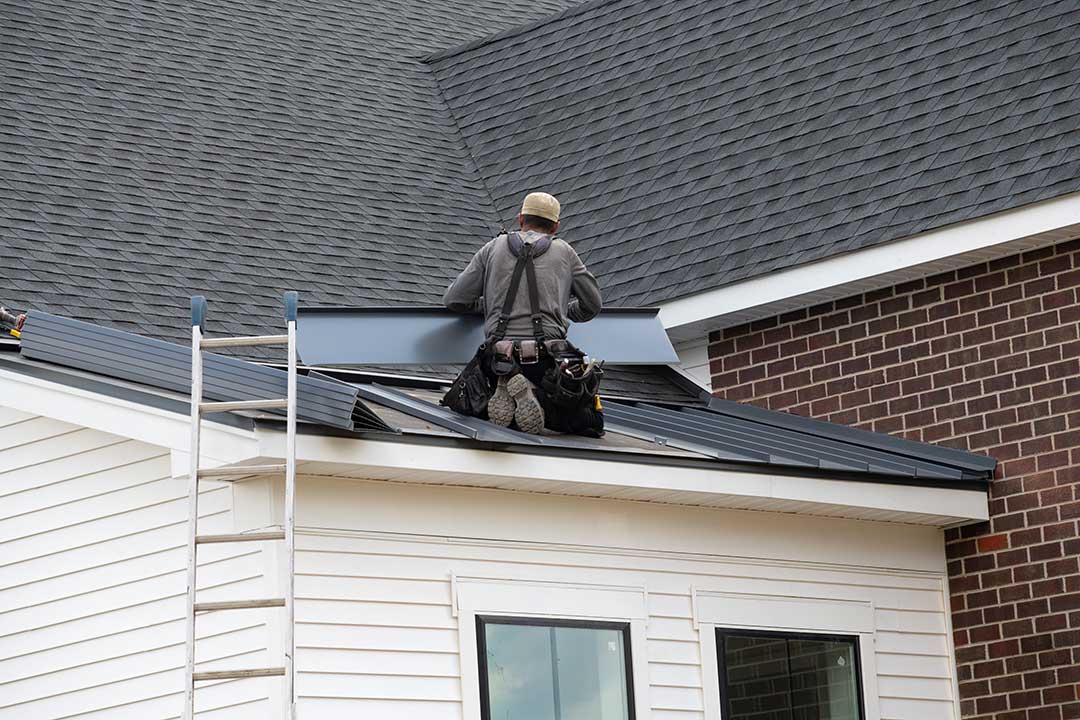
References are most useful when they involve similar work completed recently. Ask whether the contractor arrived as agreed, protected the property, communicated changes, completed cleanup, and responded appropriately to later concerns.
Online reviews can reveal patterns, but they should not be treated as conclusive proof. Look for consistent information across several sources and pay attention to how complaints were handled. A few negative reviews do not necessarily establish poor workmanship, while a large number of brief, highly similar reviews may provide little useful information.
It is also reasonable to ask for photographs of comparable projects, particularly roofs with similar slopes, materials, dormers, chimneys, or older structural details. Photos cannot replace references, but they can help show whether the contractor has experience with the type of roof involved.
When is a roofing contractor needed instead of a do-it-yourself repair?
Minor maintenance may be manageable for some homeowners, but roof work becomes hazardous quickly. Steep slopes, wet surfaces, ladders, hidden structural damage, electrical hazards, and unstable roofing materials create risks even during a small repair.
A qualified roofing contractor is generally appropriate when there is:
- Active leaking during rain or snow
- Sagging roof decking or ceiling damage
- Extensive shingle loss
- Damage around a chimney, skylight, or roof-to-wall connection
- Suspected storm or fallen-tree damage
- Mold-like odors or significant attic moisture
- A roof that cannot be safely accessed from the ground
- A planned replacement or major repair
After severe weather, temporary measures such as a properly secured tarp may limit additional water entry, but temporary protection is not a permanent repair. Interior water stains should also be documented with photographs, especially if an insurance claim may be considered.
What warning signs should be taken seriously?
Several warning signs suggest that a contractor may be unreliable:
- Pressure to sign immediately because of a limited-time price
- Requests for full payment before work begins
- No written scope of work
- Unwillingness to provide proof of insurance
- Vague answers about materials or warranties
- Claims that a roof must be replaced without a visible explanation
- Unmarked vehicles and workers who cannot identify the business they represent
- A proposal that does not explain disposal, cleanup, or additional repairs
- Requests to pay another party directly without a clear reason
Storm damage can attract temporary or traveling crews that move from one area to another. Extra care is warranted when a contractor appears shortly after a storm and uses urgency as the primary reason to make a decision.
How can homeowners compare contractors fairly?
Obtain several written evaluations when the roof condition allows time for comparison. Ask each contractor to identify the same major components: roofing material, underlayment, flashing, ventilation, decking, cleanup, warranty, and payment schedule.
The most dependable choice is usually the contractor who combines clear documentation, appropriate insurance, relevant experience, realistic scheduling, and straightforward communication. Price remains a valid consideration, but it should be evaluated alongside the quality and completeness of the proposed work.
A good roofing decision protects more than the roof covering. It also helps protect the structure, insulation, interior finishes, household belongings, and the people who live in the home.
