
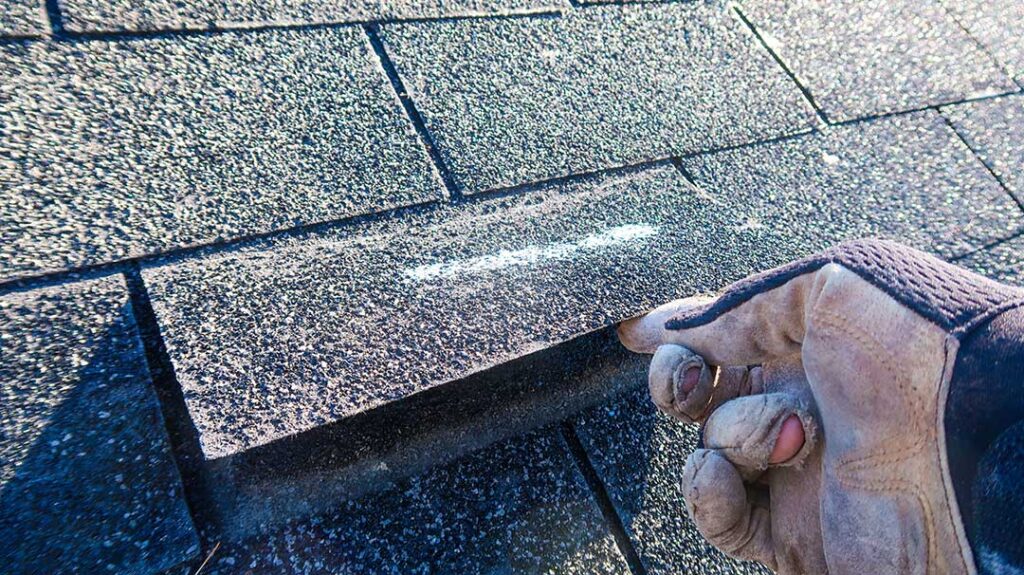
Fall is the right time for residents of Greene, NY to prepare a roof for rain, freezing temperatures, wind, and the first snow of the season. A careful inspection before winter can reveal small problems—such as loose flashing, blocked drainage, or damaged shingles—before they become interior leaks.
What should be checked first in the fall?
Begin with a visual inspection from the ground. Use binoculars if needed, and look for changes in the roof surface, edges, drainage system, and nearby trees. Walking on the roof is unnecessary for most homeowners and can damage shingles or create a fall hazard.
Look for:
- Shingles that are cracked, curled, missing, lifted, or noticeably darker than surrounding shingles
- Exposed fasteners or areas where roofing material appears loose
- Sagging along the roofline, fascia, or gutters
- Loose or damaged metal flashing around chimneys, vents, skylights, and roof-to-wall connections
- Moss, heavy organic buildup, or piles of leaves that remain on the roof
- Tree limbs that touch or hang directly over the roof
- Granules collecting in gutters or at the ends of downspouts
A roof does not need to look severely damaged to allow water inside. Small openings around flashing and roof penetrations can admit water during wind-driven rain, especially after leaves and debris conceal the affected area.
Why are gutters and downspouts so important before winter?
Gutters and downspouts control where roof water goes. If they are clogged with leaves, sticks, or roof granules, water can back up against the roof edge, overflow near the foundation, or freeze in place during cold weather.
Clean the gutters after a substantial amount of leaves has fallen, then check them again before prolonged freezing conditions. In areas with mature trees, a single cleaning early in fall may not be enough.
While cleaning, check whether:
- Gutters are pulling away from the fascia
- Seams are leaking or separating
- Water can flow freely through downspouts
- Downspout extensions direct water away from the foundation
- Splashing or overflow has caused soil erosion below the discharge point
- Debris is packed beneath roof edges or behind gutters
Avoid relying on a leaf guard as a substitute for inspection. Guards can become clogged, shift out of position, or allow fine material to collect beneath them.
How should leaves and branches be removed from a roof?
Light leaves can sometimes be removed from a low roof using a soft roof rake or a leaf blower operated from a safe position. Avoid scraping shingles with a shovel, garden rake, or stiff brush. Abrasive tools can remove protective granules and shorten the service life of asphalt shingles.
Do not climb onto a wet, steep, icy, or heavily debris-covered roof. Fall conditions often combine slick surfaces with shorter daylight hours, making roof access more dangerous than it may appear. If branches are resting on the roof, leave them in place rather than pulling them across the shingles. A falling or shifting limb can cause injury or additional damage.
Trees should also be evaluated for dead limbs, weak branches, or growth that could strike the roof during high winds or heavy snow. Pruning decisions should account for power lines, property boundaries, and safe access.
What attic checks can prevent winter roof problems?
The attic can show evidence of a roof problem before water reaches a finished ceiling. On a dry day, use a flashlight to inspect the underside of the roof deck, insulation, rafters, and areas around vents.
Watch for:
- Dark stains or water marks
- Damp insulation
- Mold-like growth or persistent musty odors
- Daylight visible through the roof deck outside intended vents
- Rust around fasteners or metal components
- Frost or moisture buildup during cold weather
- Insulation blocking soffit vents
Good attic ventilation helps move moisture out and keeps roof temperatures more consistent. Insulation should reduce heat escaping into the attic, while ventilation pathways should remain open from the eaves toward the upper vents. Blocking soffit vents with insulation can interfere with airflow and contribute to moisture or uneven melting.
Ventilation alone cannot correct every ice-dam problem. Air leaks around light fixtures, attic hatches, plumbing penetrations, and ductwork can also allow warm indoor air into the attic. Sealing and insulation work should be done carefully, especially around electrical equipment and recessed lighting.

How can homeowners prepare for ice dams?
Ice dams form when heat from the building warms part of the roof, snow melts, and the water refreezes near a colder roof edge. Repeated freeze-thaw cycles can force water beneath shingles and into walls or ceilings.
Fall preparation should focus on reducing the conditions that make this more likely:
- Keep gutters and downspouts clear
- Maintain continuous attic ventilation where the roof design allows it
- Correct missing or displaced attic insulation
- Seal significant air leaks between the living space and attic
- Watch for past evidence of leaking at eaves, ceilings, or exterior walls
Do not use a roof rake, shovel, or ice chisel from a ladder during an active winter storm. Do not chip ice dams with sharp tools or use open-flame devices. These methods can damage roofing materials and create serious safety risks.
What indoor signs suggest a roof problem?
Some roof leaks appear inside before they are visible outdoors. After fall rain or strong wind, inspect ceilings, upper walls, closets, and attic areas for:
- New brown or yellow stains
- Bubbling paint or soft drywall
- Damp insulation
- Peeling wallpaper
- Drips around chimneys, skylights, or vents
- Musty smells that return after rain
- Water inside electrical fixtures
A stain may remain after the roof has dried, so the location of the interior mark does not always match the point where water entered. Roof framing, insulation, and other building materials can redirect water before it reaches the ceiling.
Active leaks, sagging ceilings, exposed wiring, large areas of missing roofing, or structural movement require prompt attention because they can create safety and property-damage hazards. Stay out of areas with unstable ceiling material and avoid touching wet electrical components.
Should roof maintenance be done before or after the leaves fall?
Both timing points can be useful. An early-fall inspection can identify damage while weather is still suitable for repairs. A later gutter cleaning removes the final leaf drop before freezing weather becomes persistent.
A practical seasonal routine is:
1. Inspect the roof, flashing, vents, and nearby trees in early fall.
2. Clear gutters and downspouts after the main leaf drop.
3. Check the attic for moisture, blocked ventilation, and damaged insulation.
4. Recheck after a major windstorm or heavy rain.
5. Keep records or photographs of new damage so changes are easier to recognize.
For many homes, fall maintenance is less about making the roof look new and more about keeping water moving, limiting moisture in the attic, and identifying hazards before snow and ice make access difficult.
