
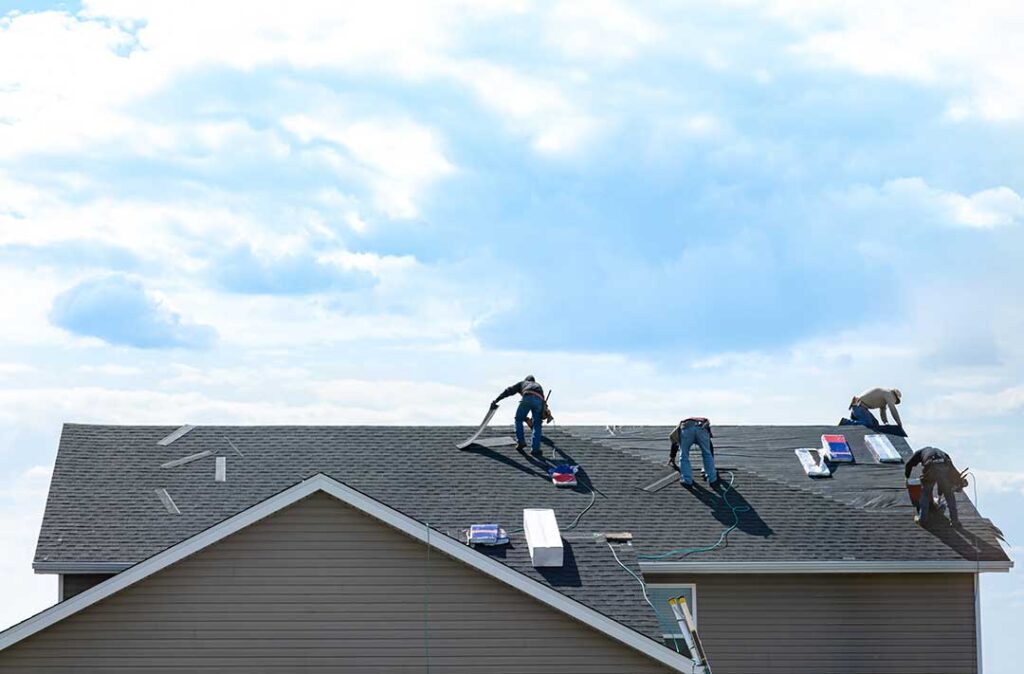
Rain on a roof can create a steady background sound, but heavy downpours may become surprisingly loud indoors. The noise usually comes from water striking a thin roof surface, vibrating the roof deck, or falling into gutters and downspouts near bedrooms and living areas.
For homes in Greene, NY, the problem may be more noticeable during spring and summer storms, when rainfall can be intense enough to expose small weaknesses in roof insulation, attic ventilation, or gutter drainage. Reducing the sound usually involves treating more than the outside roofing material alone.
Why does rain sound loud inside a house?
Rain noise is transmitted through several connected parts of the building. Water first hits the roof covering, then the vibration can travel through the roof deck, rafters, attic space, ceilings, and interior walls.
Metal roofing is often associated with loud rain, but it is not automatically noisy. A metal roof installed over a solid roof deck with adequate insulation and underlayment can be quieter than a poorly insulated roof covered with asphalt shingles.
The indoor sound level is affected by:
- Roof material and thickness
- Whether the roof covering is installed over a solid deck
- Attic insulation levels
- Ceiling construction
- Open or unfinished attic areas
- Gutter and downspout placement
- Roof geometry and overhangs
- Nearby trees, vents, skylights, and chimneys
A roof over a bedroom may seem louder simply because the room is quiet at night and has fewer furnishings to absorb sound.
Can attic insulation reduce rain noise?
Yes. Adding or improving attic insulation is often one of the more effective ways to reduce rain noise from above. Insulation helps absorb vibration and limits the movement of sound between the roof deck and the rooms below.
Fiberglass and mineral wool insulation can both provide sound absorption when installed correctly. Loose-fill insulation may also help reduce noise by filling open areas across the attic floor.
The goal is not simply to add material anywhere. Insulation should be placed consistently, without large gaps or compressed sections. Around recessed lighting, electrical equipment, attic access panels, and ventilation pathways, clearances must be maintained according to applicable safety requirements.
In a typical older home, sound reduction may be limited if the attic floor has thin insulation or exposed sections of ceiling between living space and the roof. Improving the insulation in those areas can make rain sound less sharp, especially during moderate storms.
Does a solid roof deck make a roof quieter?
A solid roof deck can reduce vibration because it provides a more stable surface beneath the roof covering. Plywood or oriented strand board decking generally transmits less sharp impact noise than a loosely supported or flexible surface.
If the decking has deteriorated, become damp, or developed loose sections, it may rattle or flex during storms. This can create sounds that are often mistaken for ordinary rain noise.
Signs that the roof deck may be contributing include:
- Popping or tapping sounds during rain
- Localized noise in one section of a room
- Sagging visible from the attic
- Soft or discolored decking
- Water staining below roof penetrations
- Loose fasteners or boards that move when touched from the attic
Because roof decking is part of the roof’s structural system, inspection and repair may require appropriate safety equipment and building knowledge. Walking on a wet roof or entering an unstable attic can create unnecessary hazards.
How can gutters and downspouts make rain sound louder?
Gutters and downspouts can create more noise than the roof itself. Water may drip onto the metal or vinyl gutter, strike a lower roof section, or rush through a downspout attached to an exterior wall.
The sound is especially noticeable when a downspout is located beside a bedroom, home office, or finished basement. A loose gutter, missing support, or partially blocked outlet can also cause water to splash, vibrate, or overflow.
Useful steps include:
- Securing loose gutter sections and hangers
- Checking that downspouts are firmly attached
- Correcting sections that hold standing water
- Directing discharge away from foundation walls
- Removing leaves and sediment that restrict flow
- Using a splash-reducing connection where water drops sharply
Downspout noise should not be reduced by blocking drainage. Water must continue to move freely away from the roof and foundation. A quieter gutter system is still required to handle heavy rainfall safely.
Can roofing underlayment reduce rain noise?
Underlayment can help reduce vibration between the roof covering and the roof deck, although it is not a complete soundproofing solution. Some underlayment materials are thicker and more resilient than basic products, which may soften the impact of falling rain.
The effect depends on the entire roof assembly. Underlayment works best when combined with:
- Secure roof decking
- Properly fastened roofing materials
- Adequate attic insulation
- A well-sealed ceiling
- Correct flashing around roof openings
Replacing roofing material only to reduce noise may not produce the expected result if the main sound path is through the attic, a gutter, or a loose roof component.
Are metal roofs always louder than shingle roofs?
No. The belief that metal roofs are always noisy is incomplete. An exposed metal roof installed over open framing may produce a strong drumming sound, particularly during heavy rain. A metal roof installed over solid decking, underlayment, and insulated attic space can be much quieter.
Asphalt shingles can also produce noticeable rain noise when the roof deck is thin, the attic is poorly insulated, or the ceiling has little mass. Roof age and construction details often matter as much as the visible roof covering.
For any roofing material, proper attachment and a stable supporting structure are central to sound control.
What interior changes can help with rain noise?
Ceiling and room finishes can reduce the amount of sound that reaches occupied spaces. A finished ceiling with additional mass generally blocks more sound than an unfinished ceiling or thin paneling.
Possible interior improvements include:
- Adding insulation above the ceiling
- Sealing gaps around attic hatches and light fixtures
- Replacing a loose or poorly fitted attic access panel
- Adding a second layer of ceiling board during a planned renovation
- Using curtains, rugs, upholstered furniture, or bookshelves to absorb reflected sound
These changes may not eliminate the sound of a major storm, but they can reduce echo and make the noise less intrusive. Soft furnishings are especially helpful in rooms with hardwood floors, bare walls, and few objects.
Should roof vents, skylights, and chimneys be checked?
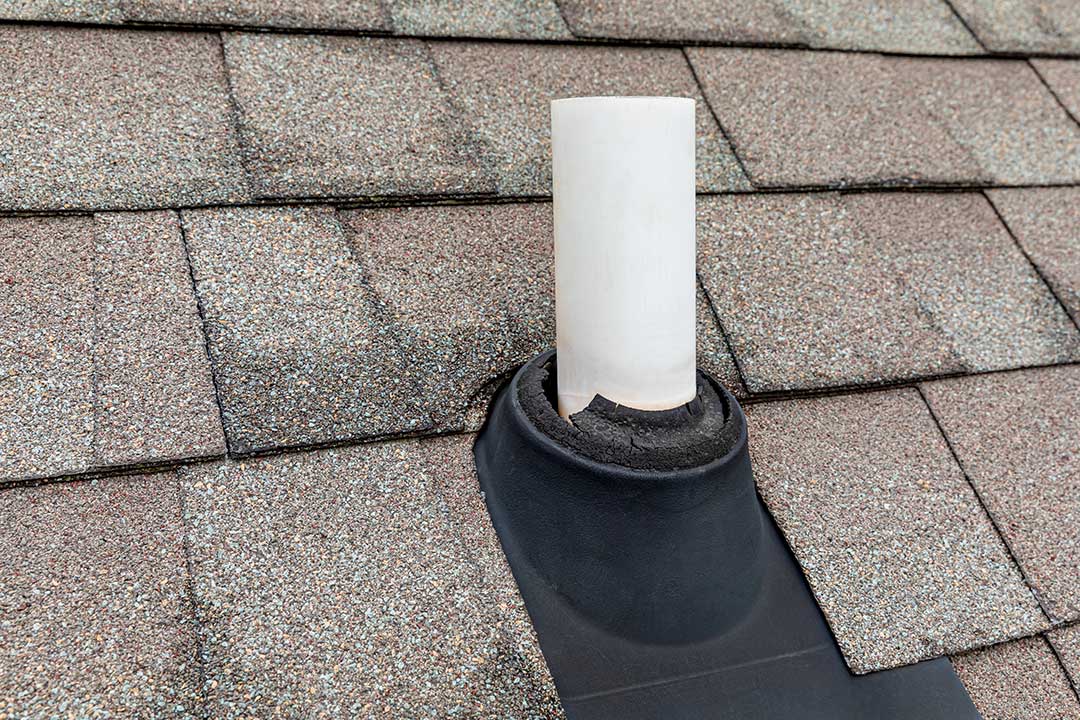
Yes. Roof openings can transmit sound differently from the surrounding roof. Skylights may have hard interior surfaces that reflect rain noise into a room. Roof vents can also create localized sounds if their covers vibrate or if wind-driven rain enters the surrounding area.
A chimney cap, flashing assembly, or vent cover that rattles during storms may produce a repetitive tapping that sounds like rainfall. Observing the location and timing of the noise can help identify the source.
If the sound occurs only with wind, the likely cause may be a loose exterior component rather than the roof surface. If it occurs only during rainfall, water impact, gutter flow, or drainage should be examined.
What is the safest way to troubleshoot the problem?
Start from inside the house during a light rain and listen from several rooms. Note whether the sound is strongest near the ceiling, an exterior wall, a skylight, a gutter, or a downspout.
From the attic, look for visible daylight, water marks, damp insulation, loose decking, or signs of movement. Do not step between ceiling joists unless a safe walking surface is present.
Exterior inspection is best performed from the ground with binoculars when conditions are wet, icy, windy, or otherwise unsafe. In Greene, NY, seasonal freeze-thaw conditions can loosen fasteners and contribute to movement in gutters, flashing, and roof-edge components.
Rain noise that is accompanied by leaking, sagging, visible structural damage, or electrical concerns requires prompt attention. Sound reduction should never take priority over keeping the roof deck, insulation, walls, and foundation dry.
