
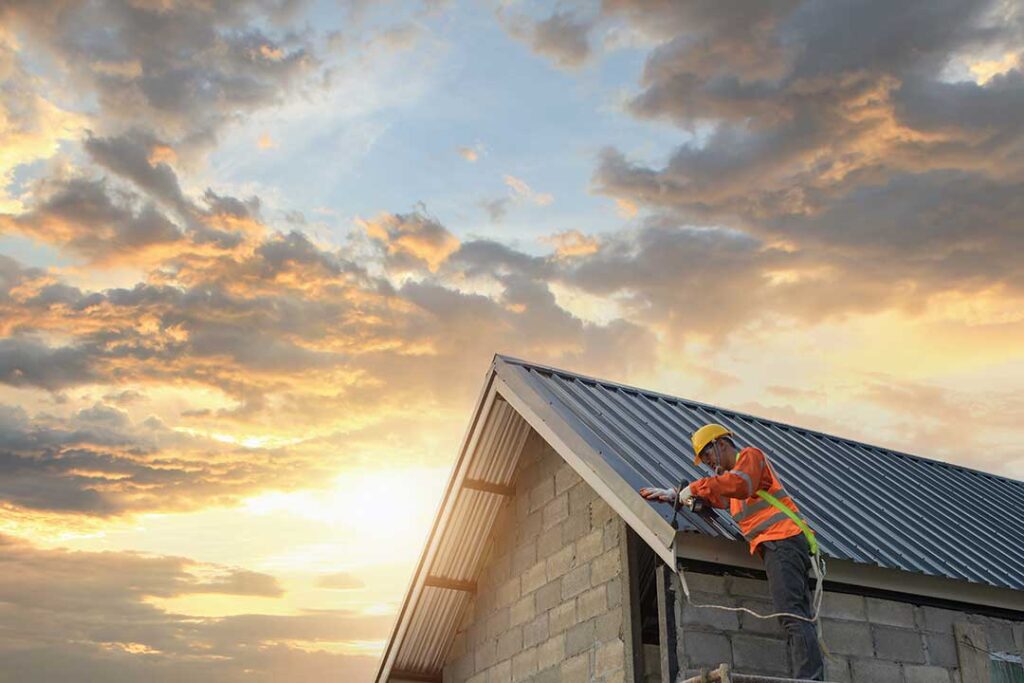
Shade trees can make a home more comfortable, but they also change the conditions on a roof. In Greene, NY, mature trees may protect a roof from intense summer sun while increasing shade, moisture, debris, and storm exposure during other parts of the year.
The effect is not automatically harmful or beneficial. Roof longevity depends on how much shade reaches the roof, whether branches touch the surface, how quickly the roof dries, and how well leaves and water are managed.
Can shade trees extend the life of a roof?
Shade can reduce direct sunlight and heat on roofing materials, particularly during warm weather. Lower surface temperatures may reduce some heat-related aging, especially on dark asphalt shingles. Trees can also provide useful protection from summer glare and help moderate temperatures around the house.
That benefit has limits. A shaded roof may dry more slowly after rain, overnight dew, or melting snow. If shade is combined with poor airflow, leaf buildup, or clogged gutters, the roof may remain damp long enough for problems to develop.
A tree that shades part of a roof for a few hours is different from a dense canopy that keeps an entire roof slope shaded throughout the day. The second condition deserves closer attention.
How does shade contribute to moss and algae?
Persistent shade does not create moss or algae by itself, but it helps preserve the moisture those organisms need. Roof sections that receive little direct sunlight often stay damp longer, especially after rain or during humid periods.
Moss is more concerning than ordinary dark staining because it can grow between or beneath shingle edges. As it thickens, moss holds additional moisture against the roofing surface and may disturb the alignment of shingles. Algae usually appears as dark streaks or discoloration. It is often more of an appearance issue than a direct structural threat, although the moisture and debris associated with heavy growth can contribute to deterioration.
Moss and algae are more likely to appear on:
- North-facing or heavily shaded roof slopes
- Low-slope sections that drain slowly
- Areas beneath dense tree cover
- Roofs with accumulated leaves, needles, or small branches
- Shingles that are already weathered or losing protective granules
A roof can develop moss even when no tree branches directly overhang it. Shade from nearby trees and buildings may be enough to slow drying.
Why are falling leaves and small branches a concern?
Tree debris affects roof life mainly by holding moisture and interfering with drainage. Leaves can collect in valleys, behind roof features, and near gutters. Once wet, they form a compact layer that dries slowly.
Small branches and twigs may scrape the surface during windy conditions. Repeated movement can wear away shingle granules or damage delicate flashing around chimneys, vents, and roof edges. Larger limbs create a more obvious risk during heavy rain, ice, high winds, and winter storms.
In Greene, seasonal leaf drop and snow-related weather make debris management especially relevant. A small amount of debris may not cause immediate damage, but repeated buildup can keep vulnerable areas wet and make it harder to notice a developing defect.
Can tree roots damage a roof?
Tree roots do not normally damage a roof directly. The more common risks come from branches, falling limbs, shade, debris, and roots affecting nearby drainage or structures.
Roots can sometimes disturb underground drainage components, foundations, walkways, or retaining features. If water is redirected toward the house because of a drainage problem, the roof may be blamed for moisture that actually begins elsewhere. Roof maintenance should therefore be considered along with gutters, downspouts, grading, and the areas around the foundation.
Does tree trimming always improve roof longevity?
No. Removing too much shade can expose a roof to stronger sun, heat, and rapid temperature changes. Aggressive pruning can also injure a tree, create unstable branch growth, or increase the risk of storm damage.
The goal is usually not to eliminate all shade. It is to maintain reasonable clearance between branches and the roof while allowing air movement and sunlight to reach damp areas. Branches that rub against shingles, rest on the roof, or drop large amounts of debris deserve priority.
Pruning decisions should account for:
- Mature branch movement during wind
- The tree’s likely growth direction
- Clearance above roof slopes and gutters
- Dead, cracked, or weak limbs
- Access for safe roof and gutter maintenance
- The condition of nearby utility lines and structures
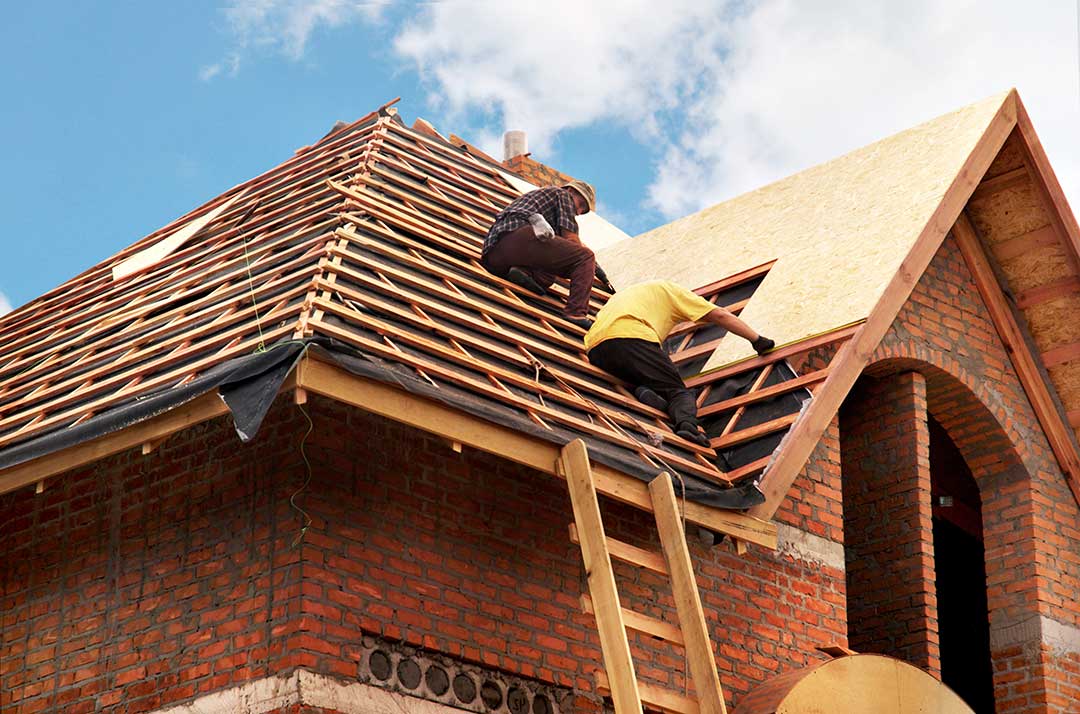
Tree work becomes a safety issue when branches are large, unstable, near electrical lines, or positioned above a steep roof. Those conditions should not be handled from the roof with ordinary household tools.
How should homeowners inspect a shaded roof?
A shaded roof should be checked more often for moisture-related warning signs, particularly after autumn leaf drop and severe weather. Inspection from the ground can identify many problems without creating a fall hazard.
Look for:
- Green moss, dark streaks, or lichen-like growth
- Shingles that appear lifted, curled, cracked, or unusually soft
- Bare patches where granules have washed away
- Leaves or twigs collecting in valleys and gutters
- Water staining beneath roof edges or in the attic
- Sagging gutters or overflowing downspouts
- Branches touching the roof or rubbing against siding and trim
- Daylight or dampness visible around roof penetrations from the attic
A small amount of surface staining does not necessarily mean the roof is failing. The more useful question is whether moisture is staying trapped, whether the roofing material is being disturbed, and whether drainage remains clear.
What maintenance helps a shaded roof last longer?
The most effective approach is routine observation and moisture control. Leaves should not be allowed to remain packed into valleys or gutters for long periods. Downspouts should discharge water away from the foundation, and roof drainage paths should remain open.
Avoid pressure washing or aggressive scrubbing. High-pressure cleaning can remove shingle granules, damage protective coatings, and shorten the life of the roofing material. Moss should not be pulled forcefully from shingles because the process can lift or tear them.
If biological growth is widespread, if shingles are brittle, or if the roof is steep or difficult to access, safety and material protection become more important than attempting a do-it-yourself cleaning. Roof surfaces can be slippery even when they appear dry, and older shingles may break under foot traffic.
Is a shaded roof automatically near the end of its life?
No. Shade alone does not determine roof age or condition. A well-drained roof with good airflow, limited branch contact, and regular debris removal may perform normally for many years.
Roof longevity depends on several factors, including roofing material, installation quality, slope, ventilation, weather exposure, attic moisture, storm damage, and maintenance. Shade becomes a significant concern when it is paired with standing moisture, organic growth, blocked drainage, or physical contact from branches.
For local residents, the practical standard is simple: shade is generally manageable when the roof can dry, drain, and remain free from abrasion. Problems become more likely when tree cover turns the roof into a cool, damp surface where debris and moisture remain undisturbed.
