
Why seasonal roof maintenance matters
Seasonal roof maintenance helps identify small problems before rain, wind, snow, or ice turns them into interior damage. In Greene, NY, roofs commonly face freeze-thaw cycles, heavy precipitation, falling leaves, winter snow, and strong summer storms. Each season creates different maintenance concerns.
A roof does not need to look severely damaged to have a problem. Missing flashing, clogged drainage, lifted shingles, blocked attic ventilation, and damp insulation can all develop gradually. A practical inspection routine focuses on the roof surface, drainage system, attic, and areas where the roof meets walls or chimneys.
What should be checked in spring?
Spring is the right time to look for damage left by winter. Snow and ice can loosen shingles, bend metal flashing, block gutters, and expose weak areas around vents or chimneys.
Start with a ground-level inspection. Look for:
- Shingles scattered near the foundation or lawn
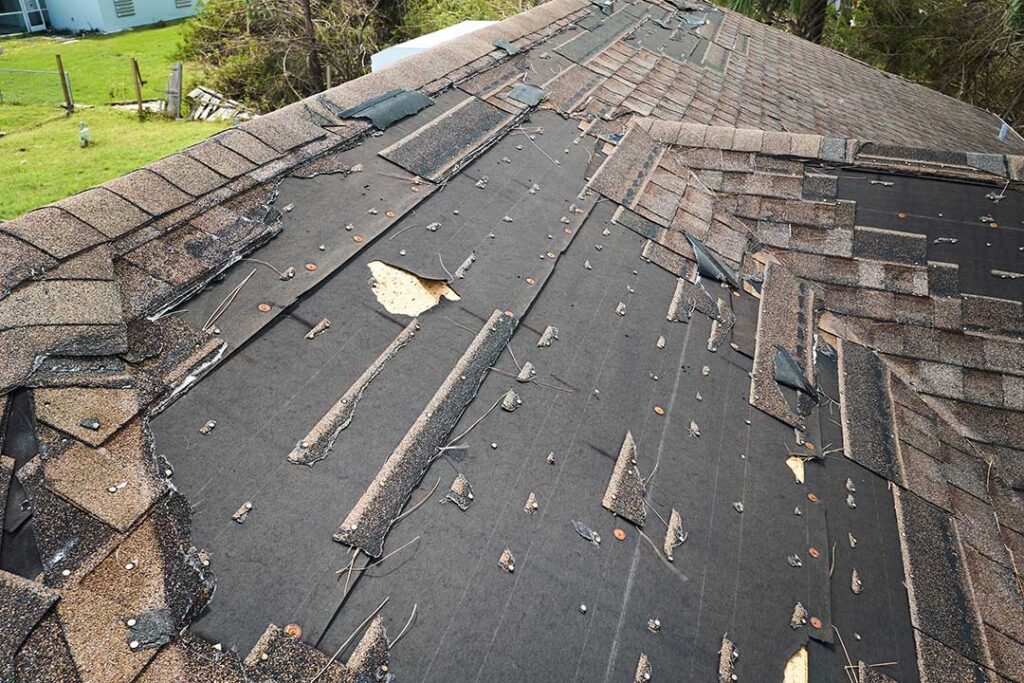
- Curling, cracked, slipped, or missing shingles
- Dark patches that may indicate exposed underlayment
- Bent or separated gutter sections
- Sagging gutters or downspouts
- Loose metal around chimneys, skylights, and plumbing vents
- Water stains on ceilings, walls, or upper-level trim
Gutters should be cleared of leaves, roof grit, and winter debris. Downspouts need to discharge water away from the foundation rather than directly beside the house. A blocked gutter can cause water to back up beneath roof edges or run down exterior walls.
The attic deserves attention after the first major spring thaw. Check for damp insulation, stained wood, mold-like spotting, daylight visible through the roof deck, or a musty smell. Some leaks appear only during snowmelt or heavy rain, so a dry roof surface does not always mean the roof is performing properly.
How should a roof be inspected in summer?
Summer maintenance focuses on heat, storms, ventilation, and repairs that are easier to complete in dry weather. High temperatures can make roofing materials more brittle, while thunderstorms may bring wind-driven rain, falling branches, or small debris impacts.
After a significant storm, inspect the property from the ground. Pay attention to:
- Shingles with lifted edges or exposed fasteners
- New piles of granules in gutters or at downspout outlets
- Broken branches resting on the roof
- Damaged vents, ridge caps, or flashing
- Water marks beneath roof valleys
- Trees or limbs rubbing against roof surfaces
Tree branches should not scrape across shingles or block roof drainage. Overhanging limbs can also drop leaves, needles, and small branches into gutters. Removing a hazardous limb is a separate tree-maintenance task, but it can reduce repeated roof damage.
Summer is also a useful time to evaluate attic temperature and airflow. Excessive heat in the attic can accelerate aging of roofing materials and contribute to moisture problems. Insulation should not block soffit vents, and exhaust vents should not be covered by stored items. Bathroom and kitchen exhaust should discharge outdoors through properly sealed ducts, not into the attic.
What roof work belongs on a fall checklist?
Fall preparation is especially useful in a community where leaves and seasonal storms can affect roof drainage. The main goals are to clear debris, confirm that water has a path away from the structure, and identify defects before freezing weather arrives.
Before the first prolonged freeze:
- Clean gutters and inspect them for loose fasteners or poor slope.
- Confirm that downspouts are open and securely connected.
- Remove leaves from valleys, roof-to-wall areas, and low-slope sections where safe.
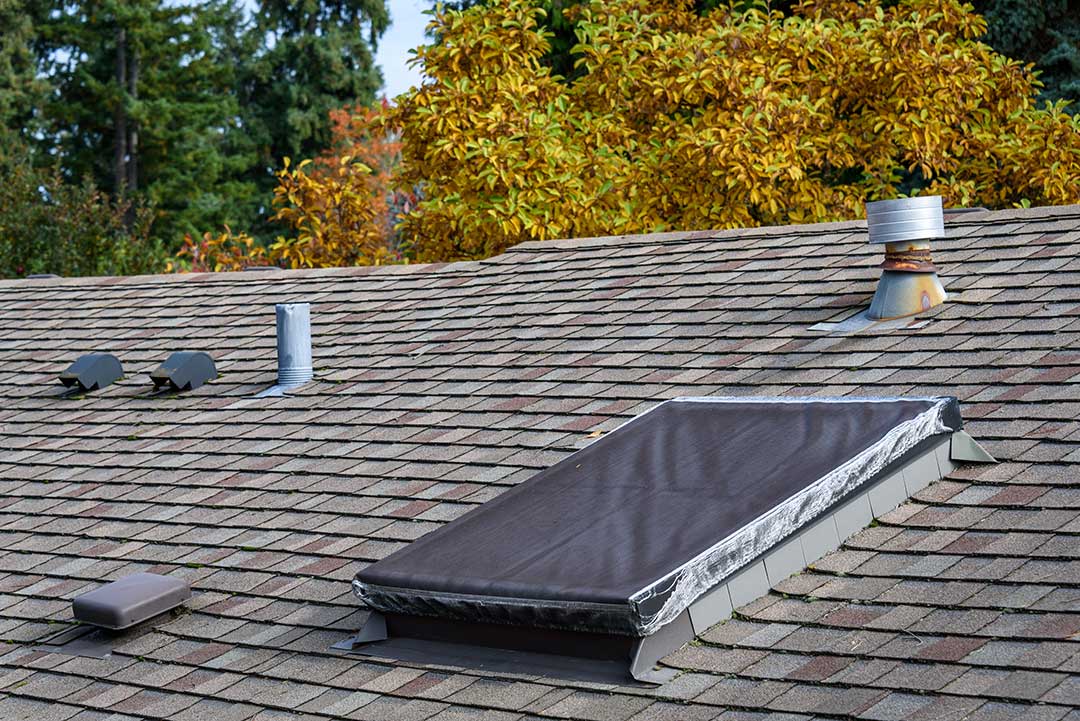
- Check flashing around chimneys, vents, skylights, and wall intersections.
- Look for cracked sealant or exposed metal at roof penetrations.
- Trim branches that could fall during wind or accumulate snow against the roof.
- Inspect attic insulation and ventilation for blocked airflow or moisture.
A common misconception is that clean shingles alone mean a roof is ready for winter. Drainage is equally important. Meltwater from snow needs a clear route through gutters and downspouts. If water is trapped by leaves or ice, it may back up beneath the roof edge.
Fall is also a sensible time to review the age and condition of the roof covering. Older materials may still appear intact but have reduced flexibility, worn protective granules, or repeated repair areas. Documenting existing conditions with dated photographs can make changes easier to recognize later.
How can winter snow and ice affect a roof?
Winter damage often results from repeated melting and refreezing rather than from one snowfall alone. Snow may melt over warmer portions of the roof, flow toward colder eaves, and refreeze as an ice dam. The backed-up water can work beneath shingles and enter the attic or ceiling system.
Watch for:
- Thick ice along eaves
- Icicles combined with uneven snow coverage
- Water stains near exterior walls or upper ceilings
- Sagging gutters
- Doors or windows that suddenly stick because of moisture movement
- Unusual cracking sounds or visible roof deformation
Do not climb onto a snow-covered or icy roof. Walking on shingles in freezing conditions can damage them, and a fall from even a low roof can cause serious injury. A roof rake designed for ground-level use may help remove limited snow from accessible areas, but it should be used cautiously and according to its instructions. Metal tools can scrape or break roofing materials.
Heavy snow, thick ice, a steep roof, visible sagging, or active interior leaking requires specialized attention because the hazard may involve both falling and structural loading. Avoid chopping ice dams with axes, hammers, or other sharp tools. That approach can damage shingles, flashing, gutters, and the roof deck while leaving the underlying cause unresolved.
What signs indicate a roof problem inside the home?
Interior warning signs can appear well before a roof failure becomes obvious from the ground. Check upper-floor ceilings, attic spaces, closets near exterior walls, and areas around chimneys or roof penetrations.
Possible warning signs include brown or yellow ceiling marks, bubbling paint, damp insulation, peeling wall finishes, musty odors, and recurring moisture after rain or thawing. A stain may remain visible even after the roof has dried, so its location does not always identify the exact entry point. Water can travel along rafters, roof decking, insulation, or framing before appearing indoors.
If water is actively entering, protect furnishings and electrical equipment, document the location, and limit access to wet areas. Electrical fixtures that have been exposed to water may create a shock or fire hazard.
How often should a roof be checked?
A practical schedule is a ground-level inspection in spring and fall, with additional checks after major wind, hail, heavy snow, or ice events. Gutters may need attention more frequently during leaf drop, especially where mature trees surround the home.
Routine inspection does not mean climbing onto the roof. From the ground, binoculars can help identify lifted shingles, damaged flashing, or debris. Attic checks are often safer and more informative than walking on the roof surface.
Maintenance records can include inspection dates, photographs, observed leaks, gutter cleaning, storm damage, and completed repairs. This simple history helps distinguish new problems from long-standing conditions and supports better decisions about roof care.
