

A roof leak rarely stays limited to the shingles or the spot where water first appears indoors. In Greene, NY, seasonal rain, snow, ice, wind, and repeated freeze-thaw cycles can allow a small opening to become a larger structural problem if water continues entering the roof system.
The visible stain on a ceiling is often only the final part of a longer process. Water may have already traveled through insulation, wood framing, electrical areas, and wall cavities before it becomes noticeable.
What happens inside a home after a roof begins leaking?
Water usually follows the easiest path downward, but that path may not be directly below the damaged roofing material. It can move along roof decking, rafters, trusses, insulation, pipes, wiring, and the tops of walls.
That is why the location of an indoor stain does not always identify the source of the leak. A ceiling mark near an exterior wall could result from damaged flashing, a roof penetration, an ice-related backup, or water entering higher up the roof and traveling sideways.
Over time, repeated moisture exposure can:
- Swell and weaken roof decking
- Soften rafters, trusses, and wall plates
- Damage attic insulation
- Cause paint, drywall, and plaster to deteriorate
- Create conditions for mold and wood decay
- Corrode fasteners and metal components
- Allow water to reach electrical wiring or fixtures
A roof may continue to look fairly normal from the ground while hidden damage develops above the ceiling.
How can a leak affect the roof’s structural framing?
Roof framing carries the weight of the roof covering, snow, wind forces, and portions of the ceiling system. When wood stays damp, its strength can gradually decline.
Roof decking is especially vulnerable because it lies directly beneath the shingles or other roof covering. Persistent moisture can cause plywood or oriented strand board to swell, delaminate, sag, or lose its ability to hold fasteners securely. If the decking bends, shingles may no longer lie flat or seal properly.
Rafters and trusses can also be affected. Wood that repeatedly becomes wet and then dries may crack, warp, or develop decay. This does not always happen immediately. A leak that appears minor during one storm may become more damaging after months of repeated exposure.
Warning signs of possible framing damage include:
- A sagging area on the roof surface
- A ceiling that bows downward
- Doors or windows that begin sticking near a damp wall
- Cracked drywall around the upper floor
- Soft or discolored wood in the attic
- Shingles that appear uneven because the decking beneath them has weakened
These signs do not prove that the main structure has failed, but they should not be ignored.
Can a leaking roof damage walls, ceilings, and floors?
Yes. Water entering through the roof can move into wall cavities and affect more than the attic.
Ceiling materials may stain, crumble, or detach as they absorb moisture. Plaster can loosen from its backing, while drywall may soften and lose its ability to hold fasteners. Paint may bubble or peel, especially around corners and ceiling joints.
If water reaches an exterior wall, it can dampen sheathing, insulation, framing, and interior finishes. In multi-level homes, moisture may continue downward and affect flooring, trim, or lower ceilings. The longer the leak continues, the more likely it is that multiple building materials will need drying or replacement.
A dry-looking surface does not always mean the area is free of moisture. Insulation and enclosed wall spaces can remain damp after the visible stain stops growing.
Why are winter leaks especially concerning in Greene, NY?
Cold-weather conditions can make roof leaks more complicated. Snow may cover the original entry point, making it difficult to see where water is entering. Ice can also form along roof edges and interfere with drainage, allowing meltwater to move beneath the roof covering.
Freeze-thaw cycles create another source of stress. Water enters a small crack or gap, freezes, expands, and places pressure on surrounding materials. When temperatures rise, the water melts and may penetrate farther into the roof assembly.
Heavy snow adds weight to the roof. A roof already weakened by moisture damage may have less reserve strength than expected, particularly if damaged decking or framing is combined with accumulated snow.
Interior signs of a cold-weather roof problem may include:
- Water stains appearing during a thaw
- Damp insulation near the eaves
- Icicles forming repeatedly in the same area
- Dripping around upper-floor ceilings
- Paint bubbling after snow or ice events
- A musty odor in the attic
These clues can indicate that water has entered even if the roof is not actively dripping at the moment.
Does a small roof leak really require prompt attention?
A small leak can become a large repair problem because building materials respond differently to moisture. A metal component may rust, wood may decay, insulation may retain water, and drywall may deteriorate—all from the same entry point.
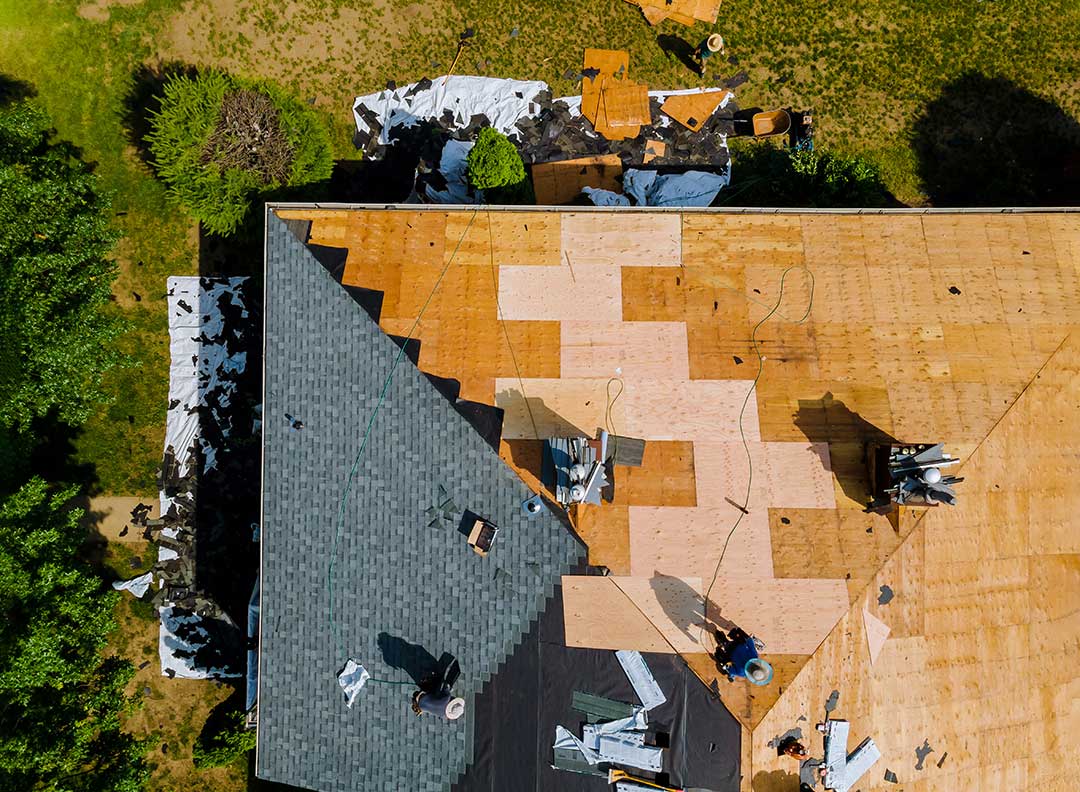
The rate of damage depends on several factors:
- How often the area gets wet
- Whether the leak reaches structural wood
- How well the attic is ventilated
- Whether insulation traps moisture
- How quickly the area dries
- The age and condition of the roof assembly
A single isolated stain after an unusual storm may not indicate extensive structural damage. However, a recurring stain, soft ceiling, musty odor, or roof sag suggests that moisture is entering repeatedly or that materials have not dried properly.
What should residents check after noticing a leak?
Safety comes first. Stay clear of sagging ceiling sections, wet electrical fixtures, and areas where water is pooling near outlets or wiring. A bulging ceiling can contain a significant amount of water and may release it suddenly.
From a safe location, residents can look for:
- New or expanding ceiling stains
- Damp attic insulation
- Darkened or soft roof decking
- Daylight visible through the roof
- Rusted nails or fasteners
- Damaged flashing around roof openings
- Wet rafters, trusses, or wall framing
- Water collecting on the attic floor
Photographs and notes about when the leak appeared can help establish whether the problem is linked to rainfall, snowmelt, wind, or temperature changes. It is also useful to distinguish between an active drip and an old stain that has remained unchanged.
Roof access can be hazardous, particularly during wet, icy, windy, or snowy conditions. Walking on damaged decking may cause a person to fall through the roof assembly. Areas near electrical wiring should also be treated as unsafe until they are dry and properly evaluated.
Can a roof leak cause mold or unhealthy indoor conditions?
Moisture does not automatically mean mold will develop, but damp, poorly ventilated materials can create favorable conditions. Mold may grow on wood, paper-faced drywall, insulation, and dust-covered surfaces when moisture remains present.
The concern is not limited to visible spots. Mold and moisture can exist behind walls, above ceilings, or beneath insulation. A persistent musty smell, worsening allergy symptoms indoors, or recurring discoloration may indicate a moisture problem that is larger than the original stain.
Drying the affected area matters, but simply painting over a mark does not solve the underlying issue. The source of water must be stopped, and wet materials may need to be removed or dried thoroughly.
When does a leak become a structural safety concern?
A leaking roof deserves urgent attention when there is visible sagging, widespread staining, soft framing, significant water accumulation, or evidence that the roof surface has shifted. Structural concerns are also more likely when a leak has continued through multiple storms or seasons.
The most serious problems are often hidden. A roof can appear intact while decking, rafters, or wall connections are weakening underneath. If part of a ceiling is bulging, if framing feels soft, or if the roofline has changed, avoid the affected area and seek qualified building-safety assistance. Electrical hazards may require immediate attention if water has reached fixtures, wiring, or a service panel.
Understanding how water travels helps explain why early investigation matters. A roof leak is not simply a roofing-material problem; it can affect the home’s framing, insulation, interior finishes, air quality, and long-term ability to carry everyday loads safely.
