
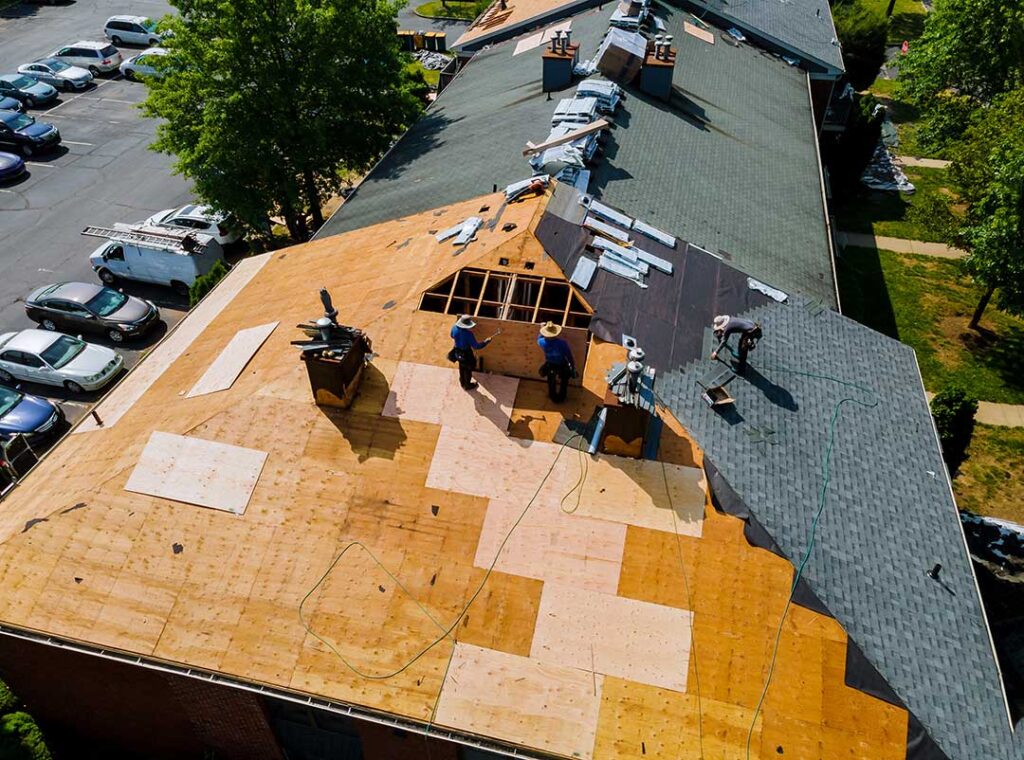
Roofing technology is changing in practical ways, not just through futuristic materials. Newer systems are helping roofs manage heat, moisture, snow, wind, stormwater, and maintenance more effectively. For households in Greene, NY, the most useful innovations are those that address seasonal weather and the realities of older housing.
What counts as a roofing innovation?
A roofing innovation is any improvement in material, design, installation, monitoring, or maintenance that helps a roof perform better. Some changes are highly visible, such as solar-integrated roofing. Others are hidden beneath the surface, including improved underlayments, ventilation systems, insulation methods, and leak-detection sensors.
Technology does not automatically make a roof suitable for every home. Roof slope, framing, ventilation, attic use, insulation, local weather, and the condition of the existing structure all affect whether a particular system is appropriate.
Which roofing materials are becoming more advanced?
Roofing materials are being developed to last longer, resist weather damage, and use fewer resources. Common examples include:
- Impact-resistant shingles designed to better tolerate hail, falling branches, and severe wind.
- Synthetic slate and composite roofing made to resemble traditional materials while weighing less.
- Metal roofing with improved coatings that resist corrosion, fading, and temperature changes.
- Polymer-based membranes for low-slope roofs, offering flexible waterproofing and fewer seams.
- Recycled-content roofing products that reduce the amount of material sent to landfills.
For area homes, lighter composite materials may be useful where structural capacity is a concern. However, “lightweight” does not mean “maintenance-free.” Fasteners, flashing, ventilation, and drainage details remain essential to long-term performance.
Material warranties also require careful reading. Some cover only manufacturing defects, while others exclude damage from poor ventilation, ice movement, severe weather, or improper installation.
Are cool roofs useful in a colder climate?
Cool roofs reflect more sunlight and absorb less solar heat than conventional dark roofing. They can help reduce summer attic temperatures and limit heat transfer into living spaces.
Their value in Greene depends on the building and roof design. A well-insulated, properly ventilated attic may receive less benefit than an older attic with insufficient insulation. On the other hand, a roof over an occupied attic or finished upper floor may gain more from reduced summer heat.
A reflective roof does not replace insulation or ventilation. It also does not prevent winter ice buildup by itself. In cold climates, roof performance depends on the entire assembly: ceiling insulation, air sealing, ventilation, underlayment, flashing, and surface material all work together.
Roof color should therefore be selected based on the building’s energy design, not appearance alone.
How are roofs being designed for snow and ice?
Newer roofing systems focus on managing water before it can enter the building. Improvements include stronger underlayments, more reliable flashing, better eave protection, and ventilation details that reduce uneven roof temperatures.
Snow and ice can create several problems:
- Ice dams can force meltwater beneath shingles and into roof edges.
- Heavy, wet snow can place significant weight on framing.
- Freeze-thaw cycles can enlarge small cracks and gaps.
- Snow sliding from a steep roof can damage gutters, landscaping, vehicles, or people below.
- Blocked valleys and roof drains can cause water to collect in vulnerable areas.
New York State building requirements account for structural loads, including snow and rain conditions. Current code requirements may apply to new construction, alterations, and certain repairs. Roof changes that affect structure, insulation, ventilation, or occupied attic space may also involve permit or inspection requirements.
Roof heating cables are sometimes used in problem areas, but they should not be treated as a substitute for correcting insulation, air leakage, drainage, or roof design problems. Poorly controlled systems can waste energy or create electrical hazards.
Can technology detect roof leaks before visible damage appears?
Yes. Moisture sensors, infrared inspections, and electronic leak-detection systems can identify damp areas before stains appear on ceilings. These tools are particularly useful on low-slope roofs, larger buildings, and roofs with concealed drainage systems.
For a typical house, technology is most useful when it supports a broader inspection. A moisture reading must be interpreted alongside the roof’s age, flashing, attic conditions, and recent weather. A sensor can locate moisture, but it may not identify the original entry point.
Some newer systems use connected sensors to monitor temperature and humidity in attics. Patterns can reveal poor ventilation, condensation, or recurring moisture problems. These systems may be more practical for buildings with difficult-to-access roof spaces than for small, easily inspected homes.
What role do solar roofing systems play?
Solar technology now appears in two main forms: panels mounted above the roof and photovoltaic roofing materials integrated into the roof surface. Both convert sunlight into electricity, but they differ in appearance, repair methods, cost, and future replacement procedures.
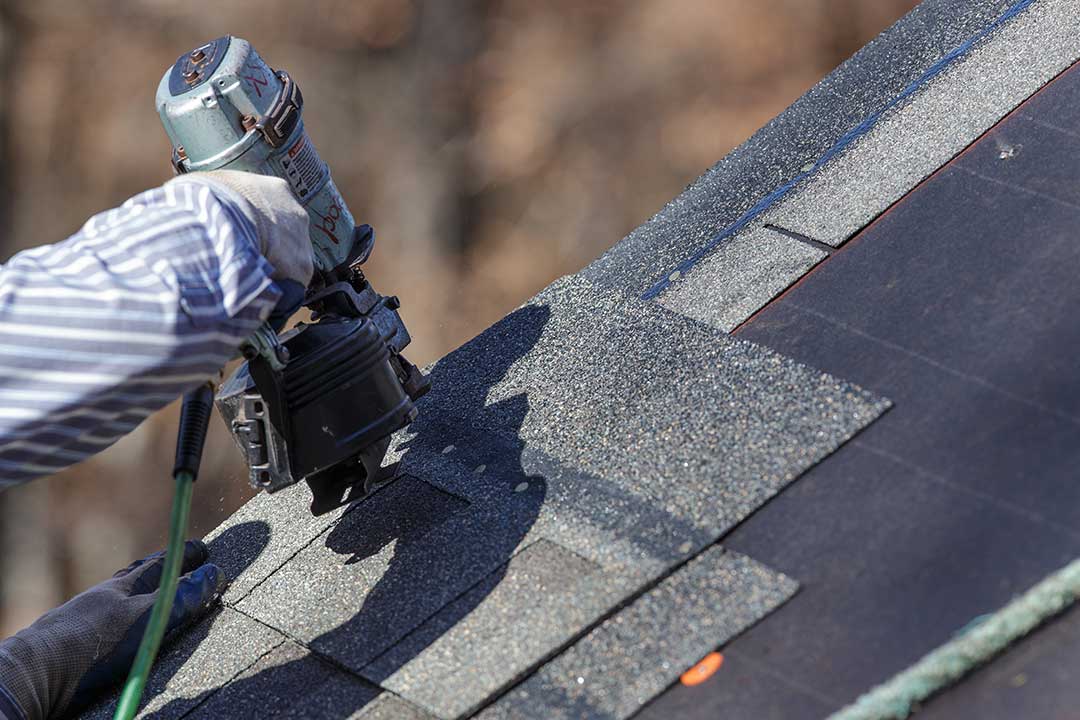
Solar roofing requires more than a suitable sunny area. The roof must also have adequate structural capacity, a durable surface, safe electrical routing, and a layout that allows future maintenance. Installing solar equipment on a roof near the end of its service life can create avoidable complications because the roof may need replacement before the solar equipment reaches the end of its useful life.
Snow, shade, roof orientation, and tree growth also affect performance. A solar system should be evaluated as part of the roof assembly rather than as a separate add-on.
Are green roofs practical for local homes?
Green roofs use plants and growing media to absorb and slowly release some rainwater. They can reduce runoff, provide insulation, and protect waterproofing membranes from direct sunlight.
They are more common on flat or low-slope roofs and require structural analysis, root-resistant waterproofing, drainage layers, and ongoing maintenance. A planted roof is heavier than a conventional roof, especially when saturated with water or covered with snow.
For most houses, a full green roof is not a simple retrofit. Smaller approaches, such as rain gardens, planted drainage areas, or rainwater collection, may provide some stormwater benefits without adding roof weight.
How can digital tools improve roof maintenance?
Drones, high-resolution photography, satellite measurements, and three-dimensional roof models can make inspections safer and more consistent. They are especially useful for identifying damaged flashing, missing materials, clogged drainage paths, and changes over time.
Digital records can show whether a problem is new or recurring. A homeowner may keep photographs after major storms, note repairs, record roof penetrations, and track areas where moss, ice, or standing water repeatedly appears.
These tools have limitations. A camera cannot always identify concealed rot, loose fasteners, wet insulation, or damage beneath roofing materials. Physical inspection may still be necessary when safety and building conditions are uncertain.
Which innovations matter most for Greene households?
The most valuable improvement is usually not the newest product. It is a roof system that matches the building and local conditions.
Before choosing an advanced material or device, consider:
- The roof’s age and remaining service life.
- Attic insulation and ventilation.
- Snow and wind exposure.
- Drainage, valleys, chimneys, skylights, and other penetrations.
- Structural capacity for heavier materials or solar equipment.
- Repairability if a section becomes damaged.
- Compatibility with current New York State code requirements.
- Whether the technology solves a documented problem or only adds features.
For many homes, improved flashing, better underlayment, air sealing, insulation, and drainage will provide more dependable results than an expensive specialty product. Roofing technology works best when it is part of a complete, properly designed system rather than a single layer expected to solve every problem.
