
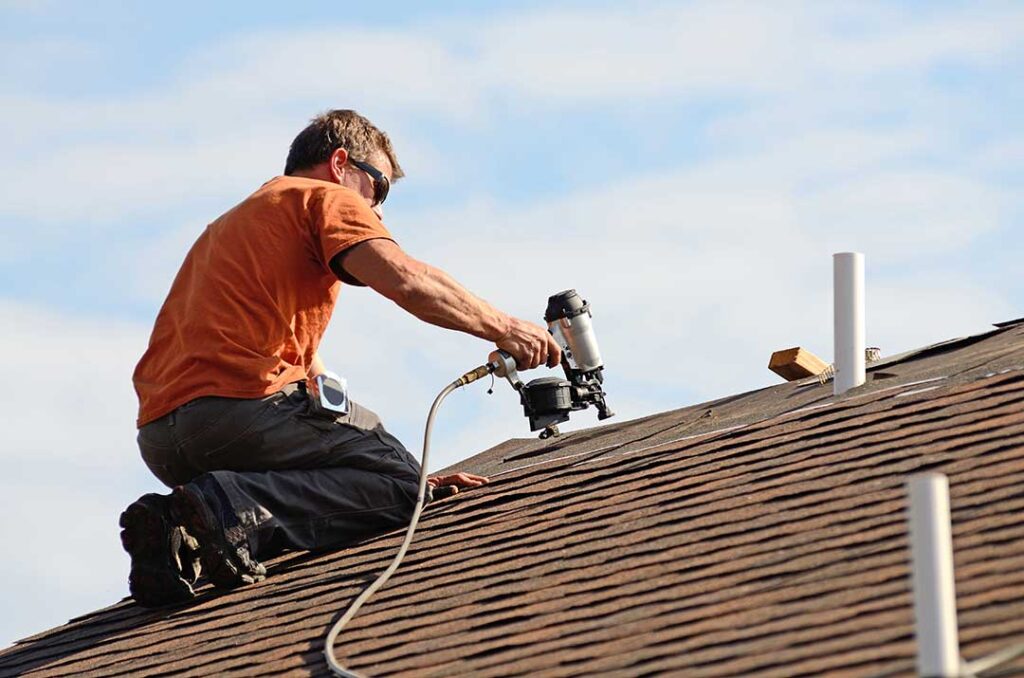
A typical residential roof lasts about 15 to 30 years, but the actual service life depends on the roofing material, installation quality, attic conditions, weather exposure, and maintenance history. In Greene, NY, winter snow, ice, freeze-thaw cycles, wind, and summer moisture can all affect how quickly a roof ages.
The age of a roof is useful, but it should not be the only measure of its condition. A well-maintained roof may continue performing beyond its common lifespan, while a poorly ventilated or storm-damaged roof may develop problems much sooner.
How long do common roofing materials last?
The following ranges are general expectations for residential roofing:
- Three-tab asphalt shingles: About 15 to 20 years
- Architectural asphalt shingles: About 20 to 30 years
- Premium or impact-resistant asphalt shingles: Often 25 to 40 years, depending on the product and exposure
- Wood shingles or shakes: Roughly 20 to 30 years with consistent maintenance
- Standing-seam metal roofing: Commonly 40 to 70 years
- Slate, clay tile, or concrete tile: Frequently 50 years or more, although the supporting structure and flashing may require attention sooner
These are not guarantees. A roof’s lifespan refers to the period when the complete roof system can reasonably protect the home. The shingles or panels are only one part of that system. Underlayment, flashing, vents, roof decking, fasteners, gutters, and penetrations around chimneys or pipes also affect performance.
What shortens a roof’s lifespan?
The most common causes of premature roof aging are moisture, poor airflow, storm damage, and installation problems.
An attic that stays too warm or humid can contribute to shingle deterioration, condensation, mold growth, and rotting roof decking. In winter, heat escaping into the attic can warm the underside of the roof and cause uneven snowmelt. The water may refreeze at colder eaves, creating ice dams that push water beneath the roofing.
Other factors that can reduce service life include:
- Repeated wind damage or lifted shingle edges
- Heavy moss or algae growth that holds moisture against the roof
- Clogged gutters and downspouts
- Debris collecting in valleys or behind roof features
- Exposed or deteriorated flashing
- Improperly installed vents, skylights, or pipe collars
- Walking on shingles unnecessarily
- A roof slope that drains slowly
- Large nearby trees that drop branches, leaves, or needles
A roof does not need to show dramatic leaks before these conditions become significant. Moisture may first affect the roof deck, insulation, wall cavities, or attic framing.
How does Greene, NY weather affect roof life?
Local weather patterns can place repeated stress on roofing materials. Winters bring snow, freezing temperatures, wind, and ice. Spring often adds rain and rapid temperature changes, while summer sun and humidity contribute to thermal movement and material aging.
Freeze-thaw cycles are particularly hard on roof details. Water can enter small cracks or gaps, freeze, expand, and gradually enlarge the opening. Flashing around chimneys, walls, valleys, and plumbing penetrations may deteriorate before the main field of shingles appears worn.
Snow itself is not always a problem for a properly designed roof. The greater concerns are uneven accumulation, drifting, ice dams, and moisture that remains trapped around roof edges or in poorly draining areas. Homes with complex rooflines, dormers, enclosed porches, or multiple additions often have more locations where water can collect or flashing can fail.
What are the signs that a roof is nearing the end of its life?
Several warning signs suggest that a roof deserves closer evaluation:
- Shingles with widespread curling, cracking, blistering, or missing granules
- Bald patches where the protective surface has worn away
- Shingles that are loose, lifted, or missing after ordinary weather
- Sagging areas along the roofline or between rafters
- Dark stains or damp insulation in the attic
- Water marks on ceilings or upper walls
- Granules accumulating in gutters
- Rusted, loose, or damaged flashing
- Daylight visible through the roof deck
- Repeated leaks in different locations
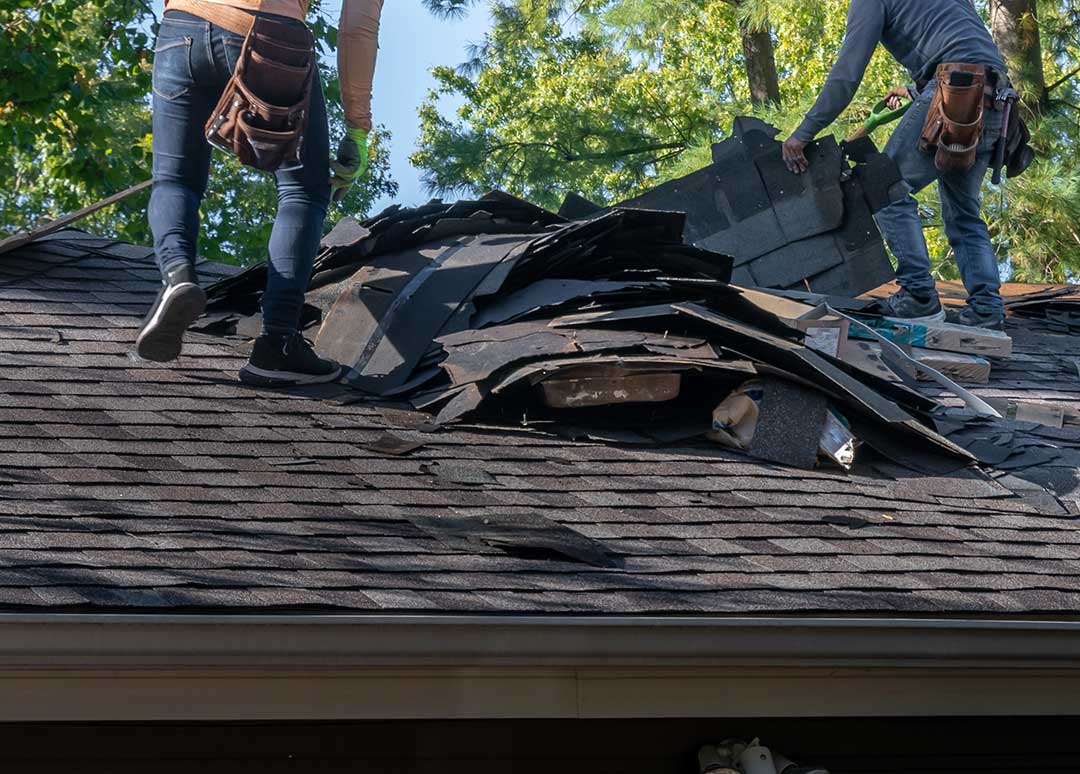
One isolated damaged shingle does not necessarily mean the whole roof needs replacement. A localized issue may be repairable if the surrounding materials remain sound. By contrast, widespread granule loss, brittle shingles, recurring leaks, and deteriorated decking indicate a broader aging problem.
Does a roof need replacement when it reaches its expected age?
Not automatically. A roof that reaches 20 or 25 years should receive more frequent attention, but age alone does not determine whether replacement is necessary.
The more useful question is whether the roof still provides reliable water protection without signs of widespread failure. A newer roof with poor attic ventilation may be in worse condition than an older roof that has remained dry, well-maintained, and properly ventilated.
Roof age can be difficult to determine in older homes. Useful clues may include property records, previous repair documents, inspection reports, leftover roofing materials, or the condition of the shingles. If the installation date is unknown, condition and moisture evidence become more important than an estimated age.
How can homeowners extend the useful life of a roof?
Routine observation and basic maintenance can help prevent small problems from becoming structural damage.
Keep gutters and downspouts clear so water moves away from the roof and foundation. Remove small branches and accumulated debris when it can be done safely from the ground. Watch for new stains in the attic after heavy rain, wind, or snowmelt. Check that bathroom and kitchen exhaust is properly directed outdoors rather than into the attic.
Ventilation and insulation also matter. The attic should limit heat transfer from the living space while allowing moisture and excess heat to escape through a properly designed system. Sealing air leaks around attic penetrations can reduce condensation and uneven snowmelt.
Trees that overhang the roof deserve attention because branches can scrape shingles and shade can keep surfaces damp. Any roof inspection involving steep slopes, unstable surfaces, ice, or storm damage presents a fall hazard and should not be attempted casually.
Is a roof inspection useful before problems appear?
Yes. An inspection can identify aging materials, loose flashing, drainage issues, attic moisture, and storm damage before a visible interior leak develops. This is especially useful before winter and after major wind, hail, or heavy snow events.
A practical inspection should consider the roof surface, flashing, valleys, penetrations, gutters, attic ventilation, insulation, and roof decking. Looking only at the shingles may miss the actual source of a problem.
For residents in Greene, planning around the seasons is sensible. A roof that appears acceptable in late summer may reveal weak flashing, ice-dam vulnerability, or drainage problems during the following winter. Understanding the roof’s material, approximate age, and current condition gives homeowners a more reliable basis for deciding whether continued maintenance or broader work is appropriate.
