
What is roof decking, and why does it matter?
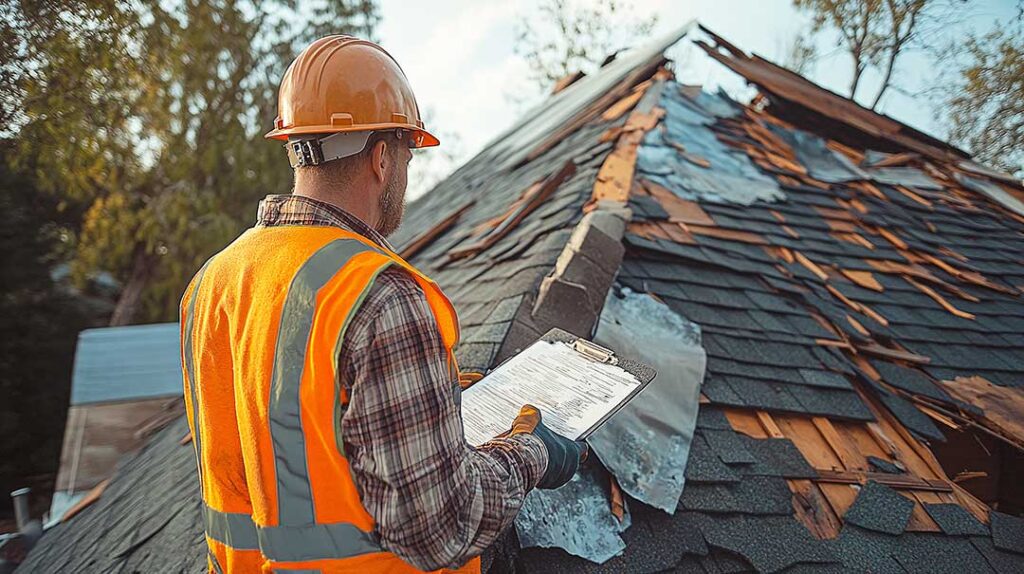
Roof decking, also called roof sheathing, is the layer of wood panels installed over the roof framing. Shingles or other roof coverings are attached above it, while the attic is below. The decking helps distribute weight, maintain a flat roof surface, and support the roof system during wind, rain, snow, and ice.
In Greene, NY, roof decking can be affected by seasonal moisture, freeze-thaw cycles, heavy snow, wind-driven rain, and ice buildup near roof edges. Damage is not always visible from the ground, and a roof may continue to shed water even when the wood beneath the covering is beginning to weaken.
What are the clearest signs that roof decking needs attention?
The most useful clues usually appear indoors, on the roof surface, or around roof edges. A single symptom does not always prove that the decking is damaged, but several signs together deserve prompt investigation.
Common warning signs include:
- A soft, uneven, or sagging area on the roof
- Ceiling stains or damp attic insulation
- A roof surface that appears wavy or sunken
- Shingles that dip between rafters or roof trusses
- Visible dark staining, mold-like growth, or wood discoloration
- Nails or fasteners that no longer hold securely
- A musty attic odor after rain or snowmelt
- Repeated leaks in the same general area
- Plywood or oriented strand board that looks swollen, delaminated, or deteriorated
The roof covering can hide decking problems for a long time. A roof that looks acceptable from the yard may still have localized damage around a chimney, plumbing vent, valley, skylight, or roof edge.
Can a sagging roof mean the decking is damaged?
Yes. A sagging or visibly uneven roof plane can indicate weakened decking, although the underlying cause may also involve roof framing, long-term moisture, excessive weight, or a combination of problems.
Minor visual irregularities are not always emergencies, but a new dip that becomes more noticeable should not be ignored. Sagging near the lower edge of a roof may result from moisture entering through damaged shingles, clogged drainage, or ice-related water backup. Sagging in the middle of a roof section may point to broader structural concerns.
Do not walk on an area that appears soft or depressed. Water-damaged decking can lose much of its strength, and the roof surface may not safely support a person even if it feels firm from a distance.
What does roof decking damage look like from inside the attic?
The attic often provides the clearest view because the underside of the decking is exposed. Look for:
- Brown, gray, or black water stains
- Darkened wood around fasteners
- Soft areas that crumble under very light pressure
- Wood fibers that appear swollen or separated
- Mold-like surface growth caused by repeated dampness
- Daylight visible through places that should be sealed
- Wet insulation below roof penetrations or along the eaves
A small stain does not necessarily mean the roof decking is currently wet. It may be an old mark from a repaired leak. However, active moisture, a musty smell, fresh discoloration, or damp insulation suggests that water is still entering or condensing in the area.
Attic inspections should be done carefully. Watch for exposed nails, unstable insulation, low headroom, electrical equipment, and areas where the ceiling below may not support weight.
Can roof leaks damage the decking even if the ceiling shows no stain?
Yes. Ceiling stains usually appear only after enough moisture has passed through the insulation, drywall, or plaster to become visible. Water may first spread sideways along the underside of the roof decking or follow rafters before reaching the ceiling.
This is why a dry-looking room does not rule out roof-decking damage. Hidden moisture may be present around roof penetrations, in valleys, beneath areas with missing or lifted shingles, or near the roof edge where ice and snow can cause water to move beneath the covering.
After a major storm or prolonged wet period, an attic check can reveal problems earlier than an interior ceiling inspection.
Do soft spots always mean the entire roof needs replacement?
No. Roof-decking damage is often localized. A limited area may have weakened because of a single leak, an improperly sealed roof penetration, or water backing up near an edge. In other cases, widespread deterioration may be present because moisture has been entering for years.
The extent of the problem depends on:
- How long the wood has been exposed to moisture
- Whether the decking is plywood, oriented strand board, or another material
- The thickness and condition of the panels
- The spacing and condition of the roof framing
- Whether the roof has experienced repeated leaks
- Whether the damaged area is supporting a roof edge, valley, or other critical section
A roof covering can sometimes remain serviceable while a small section of decking requires attention. The opposite can also occur: the decking may be sound while the roof covering has reached the end of its useful life.
How do winter conditions affect roof decking in Greene, NY?
Snow, ice, and repeated temperature changes can expose weaknesses that are less obvious during dry weather. Ice buildup along the lower edge can interfere with drainage and allow water to move beneath shingles. Melting snow may then reach vulnerable seams or areas where the roof covering has deteriorated.
Freeze-thaw cycles can also enlarge small gaps around flashing, fasteners, and roof penetrations. Once moisture enters the decking, repeated freezing and thawing can contribute to swelling, splitting, or loss of panel strength.
After winter, pay particular attention to attic areas near eaves, valleys, roof-wall intersections, and places where stains appear to have expanded.
Is discoloration on roof decking always a serious problem?
Not always. Light staining may be old, dry, and structurally insignificant. Surface discoloration can also result from condensation rather than a roof leak, especially when attic ventilation is limited and warm indoor air reaches cold roof surfaces.
The more concerning signs are softness, crumbling wood, swollen panel edges, separated layers, persistent dampness, or staining that grows after rain or snowmelt. Condensation and roof leaks can also occur together, so the source of moisture matters more than the color alone.
A dry stain should still be documented and checked periodically, particularly if the cause was never identified.
When does roof-decking damage require immediate attention?
Prompt attention is warranted when the roof is visibly sagging, water is actively entering, the attic decking feels soft, or part of the roof covering has collapsed or shifted. Immediate caution is also needed if ceiling materials are bulging, electrical fixtures are wet, or water is entering during a storm.
Keep people away from areas beneath active leaks and avoid climbing onto a damaged roof. Temporary measures may reduce interior water damage, but they do not restore weakened wood or address hidden moisture.
For Greene, NY homes exposed to snow, ice, wind, and seasonal rainfall, early detection is especially useful. A small, localized problem is generally easier to understand and manage than damage discovered after prolonged wetting, repeated freezing, or structural movement.
