
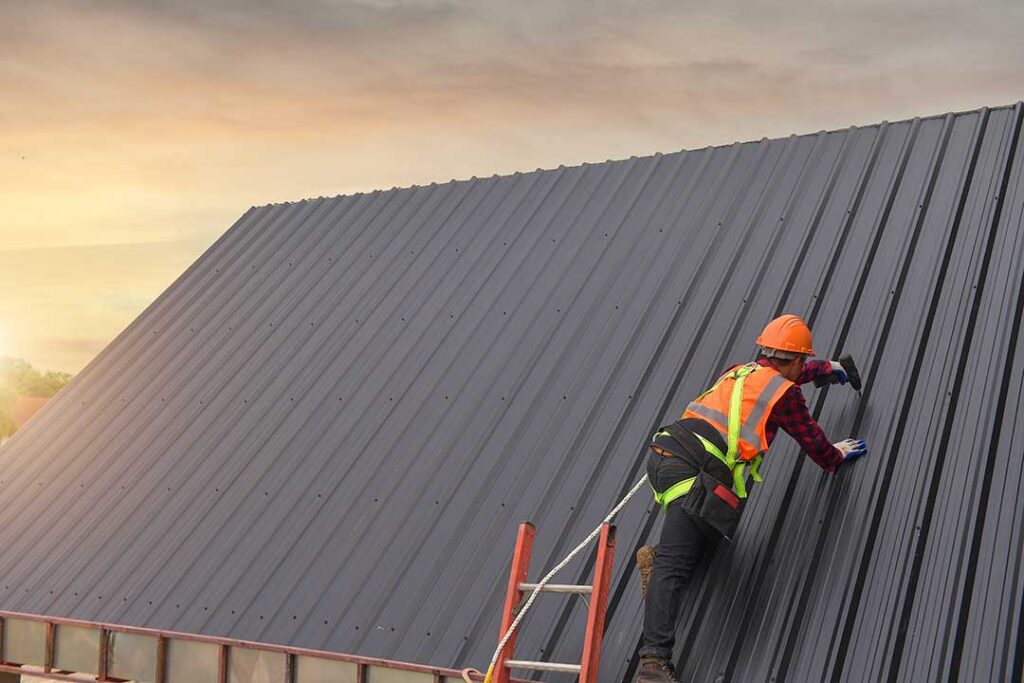
Roof problems do not always wait for normal business hours, favorable weather, or the end of a public-health emergency. During COVID-19, severe storms, power outages, supply shortages, or other crises, the safest approach is to separate urgent damage control from work that can reasonably wait.
In Greene, NY, changing seasons can add complexity. Snow, ice, freeze-thaw cycles, wind, heavy rain, and fallen branches may turn a small roof defect into active water intrusion. A clear plan helps protect the home while reducing unnecessary health and safety risks.
Which roof problems require immediate action?
Active leaks, structural damage, and openings that expose the home to weather should be treated as urgent. Cosmetic problems and minor wear can often wait until conditions are safer.
Act promptly if you notice:
- Water entering through a ceiling, wall, attic, or light fixture
- A section of roof that is visibly sagging
- Missing shingles or roofing material after wind
- A tree limb or other object through the roof
- Large amounts of daylight visible from the attic
- Wet insulation, spreading ceiling stains, or bubbling paint
- Snow or ice entering through damaged areas
- A damaged chimney flashing area or roof vent
A roof does not need to collapse to create a serious problem. Water can damage framing, insulation, electrical components, and interior finishes long before the exterior damage appears dramatic.
If water is near electrical wiring, light fixtures, or outlets, avoid touching the affected area. Turn off power to the affected circuit only if it can be done safely, and leave the area until electrical hazards are addressed.
What should a homeowner do before anyone arrives?
The first priority is to protect people, then limit interior damage. Do not climb onto a wet, icy, steep, or visibly damaged roof. Snow and ice can conceal weak areas, and temporary footing can fail without warning.
Inside the home:
- Move furniture, electronics, and valuables away from the leak.
- Place containers under active drips.
- Photograph and record the damage from a safe location.
- Mark the approximate time the leak began and whether it followed wind, rain, or snow.
- Check the attic only if it is safely accessible and there is no electrical or structural concern.
- Avoid cutting into a stained ceiling unless water is pooling and immediate release is necessary to prevent collapse.
Temporary coverings may reduce additional water entry, but they must be installed without creating a fall hazard. A tarp placed from the ground is not always effective, and walking on the roof during winter conditions can cause more damage than it prevents.
Can roof repairs continue during COVID-19 or another health crisis?
Outdoor roof work may be possible during a health emergency, but the decision depends on the condition of the occupants, the workers, the weather, and the type of repair. An exterior repair generally creates less indoor contact than work involving attic spaces, ceilings, or occupied rooms.
Before work begins, communicate clearly about:
- Current respiratory illness in the household
- Recent exposure to a contagious illness
- Residents who are older, immunocompromised, pregnant, or otherwise medically vulnerable
- Whether the repair requires indoor access
- Which doors, pathways, bathrooms, or shared areas may be used
- Whether remote communication can replace an indoor discussion
Anyone who is sick with a respiratory illness should avoid close contact with workers and remain away from others until symptoms are improving and a fever has been absent for at least 24 hours without fever-reducing medication. Additional precautions, such as cleaner indoor air, masking, distance, and improved hygiene, can be useful for several days after normal activities resume.
A household should not feel pressured to allow indoor entry for a nonessential inspection during an active health concern. Photographs, video calls, exterior observations, and written descriptions may help determine whether the issue is urgent enough to require immediate access.
How can indoor contact be reduced?
Most roof repairs can be planned with limited interaction if expectations are discussed in advance. The goal is not to eliminate every possible risk, but to reduce unnecessary shared contact.
Practical steps include:
- Use phone or electronic communication for scheduling and updates.
- Identify a single point of contact for the household.
- Keep residents and pets away from the work area.
- Provide a clear, unobstructed outdoor path when possible.
- Open windows or improve ventilation before and after indoor work, if weather and household health conditions permit.
- Avoid shared drinks, meals, tools, and unnecessary conversations.
- Keep explanations and safety discussions brief and outdoors when practical.
- Ask workers to postpone entry if someone develops symptoms during the visit.
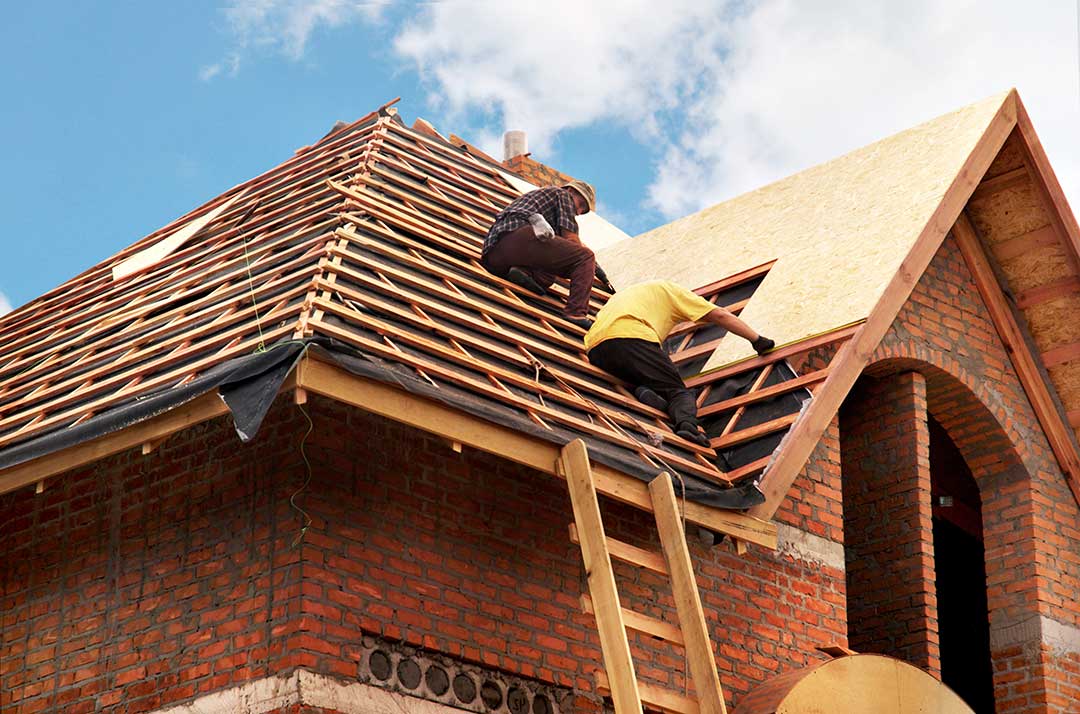
Roofing work also creates ordinary hazards that become more serious during a crisis. Respirators, masks, gloves, eye protection, and fall-protection equipment should not be confused with infection-control measures. A face covering used for illness prevention may not protect against dust, insulation fibers, chemical vapors, or other roofing hazards.
What changes during winter in Greene?
Cold-weather roof damage often involves more than missing shingles. Ice dams, blocked drainage, snow loads, frozen gutters, and repeated thawing can cause water to move beneath roofing materials.
Residents should avoid chopping ice with sharp tools or using open flames. These methods can damage shingles, underlayment, gutters, and the roof structure, while creating a serious fire or fall risk.
Do not assume that a roof is safe to walk on because snow appears shallow. Ice may be hidden under snow, and roof edges can be difficult to see. Heavy snow near roof edges, unusual creaking, interior cracking, or new ceiling movement may indicate a structural concern. Keep people away from the affected area and seek urgent guidance when those signs appear.
During a storm or prolonged outage, temporary measures may be the only realistic option. The purpose of a temporary repair is to stop immediate water entry and stabilize the situation, not to replace a complete roof evaluation once conditions improve.
Should an insurance claim be filed during a crisis?
A crisis does not automatically change insurance requirements. Policies commonly expect homeowners to take reasonable steps to prevent additional damage, document the condition, and report covered losses within the required timeframe.
Keep:
- Dated photographs and videos
- Receipts for emergency materials or water removal
- Written notes about when the damage occurred
- Copies of messages and repair discussions
- A record of damaged personal property
- Any storm, tree, or utility information connected to the event
Do not discard damaged materials before documenting them unless they create an immediate health or safety hazard. Avoid authorizing major permanent work before understanding the policy’s documentation and approval requirements, except where delay would worsen the damage.
What can wait until the crisis passes?
A repair may be postponed when the roof is weather-tight, there is no structural concern, and the issue does not threaten the interior. Examples may include a few aging shingles, minor surface wear, small areas of moss, or a non-leaking flashing concern.
Waiting does not mean ignoring the issue. Record its location, inspect the attic from a safe position after heavy weather, and monitor ceilings and walls for new moisture. A small defect can become urgent after the next rain, freeze, or wind event.
The most reliable emergency plan is simple: protect people from falls and electrical hazards, stop further water damage when safely possible, communicate health risks before entry, document everything, and reserve full repairs for conditions that allow safe work.
