
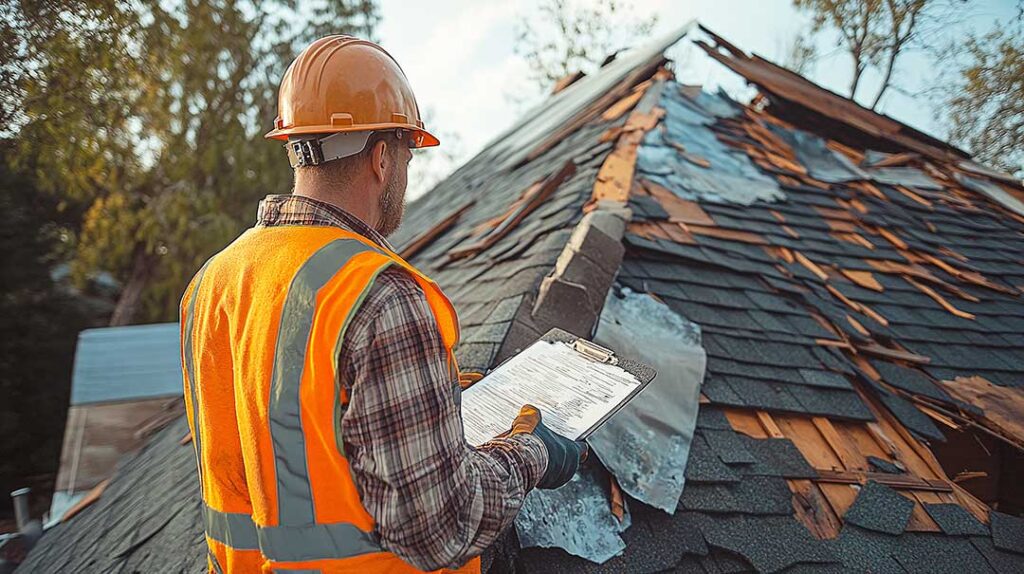
A roof inspection is a careful review of the roof covering, drainage, flashing, attic, and related structural areas to identify damage, moisture, wear, or safety concerns. For homeowners in Greene, NY, inspections are especially useful after winter weather, strong wind, fallen branches, or repeated cycles of freezing and thawing.
A roof does not need to be leaking inside the house to have a problem. Small defects can allow moisture into sheathing, insulation, rafters, or wall cavities long before a ceiling stain appears.
What does a roof inspection include?
A thorough inspection examines more than the shingles. It considers how the entire roof system is performing.
Typical inspection areas include:
- Shingles, panels, slate, or other roof coverings
- Ridge caps, valleys, hips, and roof edges
- Flashing around chimneys, vents, skylights, and walls
- Gutters, downspouts, and drainage paths
- Fascia, soffits, and exposed trim
- Attic ventilation and visible roof framing
- Signs of water entry, mold, rot, or damp insulation
- Ice-dam damage and areas affected by snow accumulation
- Branch impact, wind damage, and loose materials
The inspection method may involve viewing the roof from the ground, using binoculars, accessing the attic, examining roof edges, or walking on the roof when conditions allow. A roof should not be walked on when it is icy, wet, steep, fragile, or otherwise unsafe.
A written inspection report should explain what was observed and how the roof was examined. It should also distinguish between visible conditions and areas that could not be safely accessed.
When should a homeowner inspect the roof?
Most homes benefit from a visual review at least twice a year: once after winter and again in late summer or early fall. Additional inspections make sense after a major storm or any event that could have damaged the roof.
For local households, useful inspection times include:
- After heavy snow, especially where snow has drifted near roof valleys, dormers, or lower roof sections
- After strong wind or thunderstorms
- After a nearby tree loses a large branch
- Before or after installing equipment that affects the roof
- When buying, selling, or refinancing a home
- When an older roof begins showing repeated repairs or interior staining
Spring inspections can reveal lifted shingles, damaged flashing, clogged drainage, and ice-related problems. Early fall inspections provide an opportunity to identify defects before colder weather, snow, and ice make access more difficult.
What can homeowners safely check from the ground?
A ground-level review can identify many warning signs without placing anyone on a ladder or roof. Binoculars are helpful, but a homeowner should never stand beneath an unstable branch or inspect during lightning, high wind, or active snowfall.
Look for:
- Shingles that are missing, cracked, curled, buckled, or visibly displaced
- Dark patches or areas with unusual wear
- Exposed underlayment or roof decking
- Sagging along the roofline
- Damaged or detached gutters
- Granules collecting heavily near downspouts
- Rusted, lifted, or separated flashing
- Moss or algae that holds moisture against the roof surface
- Debris lodged in valleys or behind roof penetrations
- Daylight visible around attic roof edges or penetrations
A few dark shingles do not automatically mean the roof has failed. Likewise, moss is not always a structural emergency. The significance depends on the age, material, location, drainage, and whether water is reaching the underlying layers.
What should be checked inside the attic?
The attic often reveals problems that are not visible from outside. Inspection should take place only where the area can be accessed safely and where flooring or solid framing provides secure footing.
Signs to look for include:
- Damp or compressed insulation
- Water stains on roof decking or rafters
- Mold-like growth or persistent musty odors
- Rust around nails or metal fasteners
- Daylight entering through the roof covering
- Wet areas near chimneys, vents, valleys, or eaves
- Frost buildup during cold weather
- Blocked soffit vents or inadequate air movement
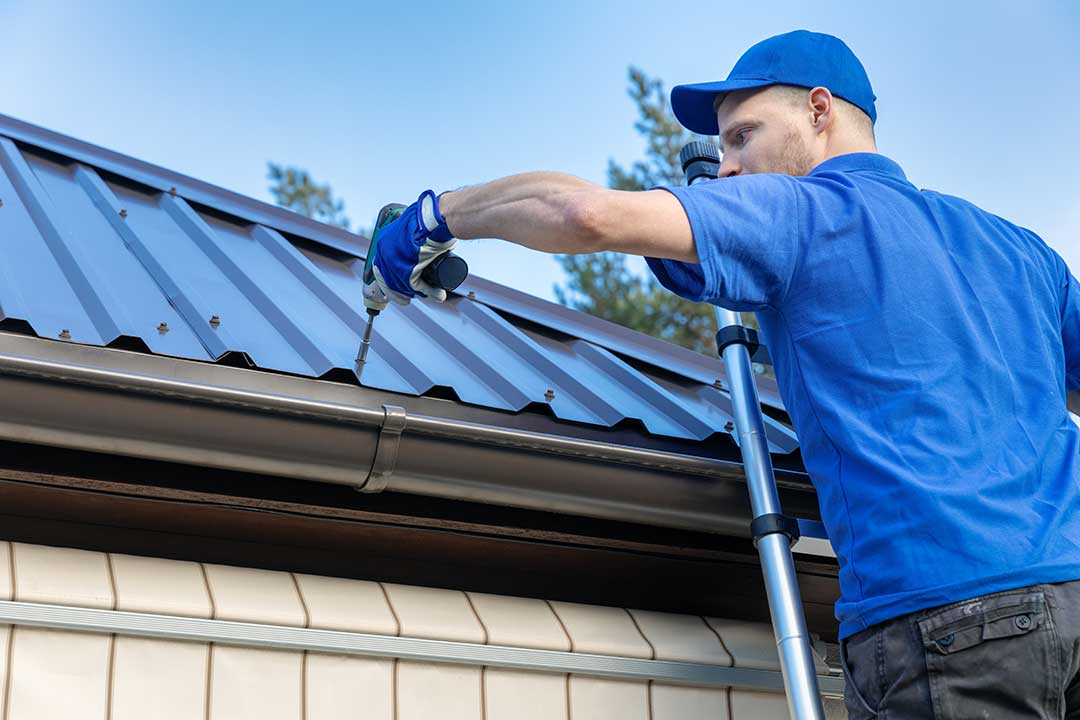
A water mark does not always appear directly below the roof defect. Water can travel along rafters, insulation, or framing before reaching the ceiling. For that reason, an interior stain should not be matched only to the point directly above it.
How do snow and freezing weather affect roof condition?
Snow itself is not automatically dangerous, but accumulated or drifting snow can place extra weight on a roof. Uneven loading can occur near valleys, roof transitions, dormers, chimneys, and areas sheltered from wind.
Freezing and thawing can also open small gaps around flashing and roof penetrations. Ice dams may form when heat escapes into the attic and melts snow higher on the roof. The water can refreeze near colder eaves, creating a barrier that sends meltwater beneath the roof covering.
Warning signs after winter include:
- Repeated leaks during thawing weather
- Icicles accompanied by interior moisture
- Stained or sagging ceilings near exterior walls
- Damaged gutters or eaves
- Lifted roof edges
- Persistent frost or moisture in the attic
Removing snow from a roof can be hazardous and can damage roof materials if done improperly. Heavy accumulation, structural sagging, or active leaking calls for prompt attention rather than an attempt to climb onto the roof.
How can a homeowner tell whether a roof needs repair or replacement?
An inspection cannot determine roof age or remaining service life by appearance alone. The decision depends on the type of roofing, installation history, number of existing layers, ventilation, storm exposure, and the extent of deterioration.
A repair may be reasonable when damage is limited to a small, clearly defined area, such as one flashing detail or a few wind-damaged shingles. Replacement becomes more likely when there are widespread failures, recurring leaks, extensive loss of surface material, soft decking, or deterioration across several roof sections.
A roof with one visible leak may still have hidden damage. Conversely, an older roof may continue performing adequately if its materials, flashing, drainage, and supporting structure remain sound. Inspection findings should be considered together rather than relying on age alone.
What is the difference between a roof inspection and a home inspection?
A home inspection provides a broad review of many building systems, including the roof. A dedicated roof inspection generally focuses more closely on roof coverings, flashing, drainage, ventilation, penetrations, and signs of moisture intrusion.
Neither type of inspection should be assumed to include destructive testing or a guarantee of future performance. Inspectors may avoid walking on a roof if doing so could cause damage or create a safety hazard. A report should state the inspection method and identify areas that were inaccessible.
Are permits relevant to roofing work in Greene?
Roof inspections and roof repairs are different from roof replacement or roof recovering. In Greene, roofing permits are required for applicable roofing work, including replacement and recover projects. Homeowners should verify current requirements with the local code enforcement office before work begins, especially when the project involves structural repairs, multiple roof layers, or changes to the roof assembly.
A permit requirement does not mean that every minor maintenance task is treated the same way. The exact rules can depend on the scope of work and the building involved.
What should be documented after an inspection?
Keep the inspection date, photographs, written observations, repair records, and any permit information with the home’s maintenance documents. Note whether a finding is an immediate leak, a safety concern, a maintenance item, or a condition that should be monitored.
Clear documentation helps homeowners compare changes over time. It can also show whether a stain is new, whether a repair remained effective, and whether winter or storm conditions caused additional damage.
A roof inspection is most useful when it answers practical questions: Where is the problem? Is water entering? Is the roof safe to access? Is the condition isolated or widespread? What should be monitored before the next season? Those answers provide a more reliable basis for maintenance decisions than appearance or roof age alone.
