
What counts as a roofing innovation?
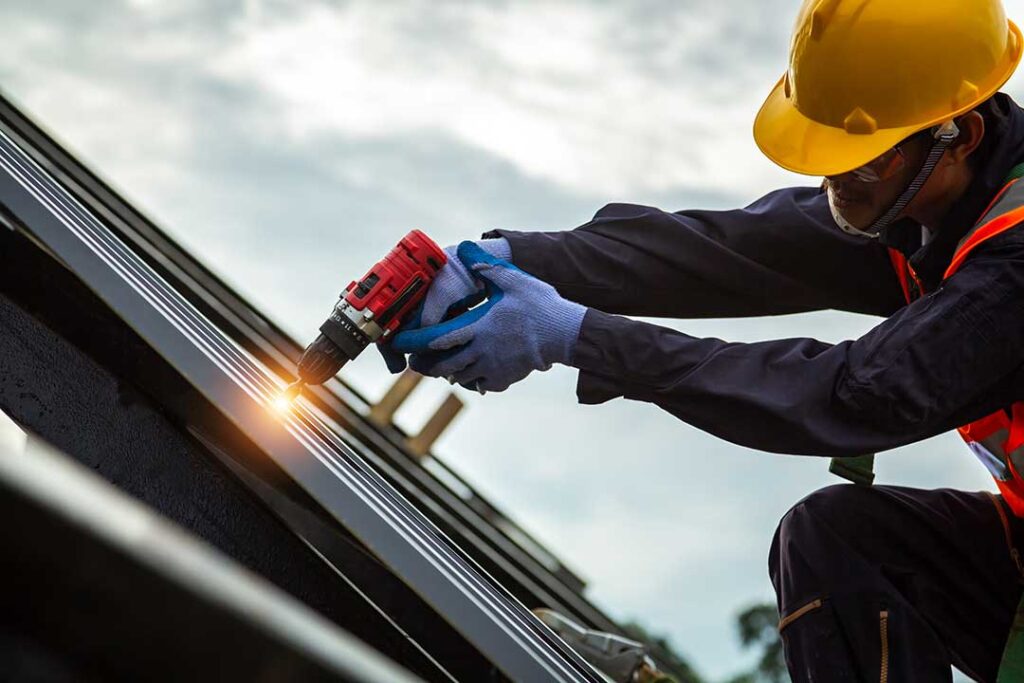
Roofing technology now includes more than new shingles. It covers improved materials, stronger fastening methods, moisture-control systems, energy-monitoring tools, and installation techniques designed to help roofs perform better over time.
For homes in Greene, NY, useful innovation is usually practical rather than futuristic. A roof must handle freezing temperatures, changing weather, snow, wind, rain, summer heat, and repeated freeze-thaw cycles. The most valuable improvements are those that manage moisture, resist weather-related damage, and work well with the structure of the home.
Which newer roofing materials are available?
Modern roofing materials are being designed to last longer, weigh less, resist impact, and use energy more efficiently. The most common options for residential buildings include improved asphalt shingles, metal roofing, synthetic roofing products, and solar-integrated systems.
Advanced asphalt shingles may include stronger fiberglass reinforcement, better adhesive strips, improved granule bonding, and greater resistance to algae growth. Some products are also manufactured with reflective pigments that reduce heat absorption during sunny weather.
Metal roofing has also developed beyond the older styles many people remember. Modern panels and metal shingles can be formed to resemble traditional roofing while offering resistance to fire, wind, and moisture. Properly installed metal roofing can be durable, but its performance depends heavily on underlayment, flashing, fasteners, ventilation, and protection from corrosion.
Synthetic slate and composite roofing products are made to imitate heavier natural materials while reducing structural weight. They may be useful on homes where a traditional slate or tile roof would require additional structural support. Their long-term performance varies, so homeowners should examine tested wind, impact, fire, and temperature ratings rather than relying only on appearance.
How are roofs becoming more resistant to severe weather?
Weather-resistant roofing is increasingly based on the complete roof system, not just the outer covering. Shingles or panels are only one part of that system.
Newer approaches may include:
- More secure fastening patterns in areas vulnerable to wind uplift
- Self-adhering underlayments in valleys, eaves, and other leak-prone locations
- Stronger synthetic underlayments that resist tearing and moisture
- Impact-rated materials designed to reduce damage from hail and falling debris
- Improved flashing around chimneys, skylights, vents, and wall intersections
- Ridge, soffit, and intake ventilation products designed to support balanced airflow
A roof can have high-rated shingles and still fail if water is directed behind flashing or if fasteners are improperly placed. In snowy parts of the region, roof design must also account for drifting, uneven snow loads, and ice formation along eaves.
Impact resistance does not mean a roof cannot be damaged. It means the material has been tested under specific conditions. After a major storm, visible inspection from the ground may not reveal lifted edges, cracked seal strips, or small punctures.
What role does roof ventilation play?
Roof ventilation helps control heat and moisture in the attic. It does not replace insulation, air sealing, or proper drainage, but it works with those components to support a healthier roof assembly.
During winter, warm indoor air can move into a poorly sealed attic and condense on cold surfaces. This moisture may contribute to mold, wood deterioration, wet insulation, and deterioration of roof components. During summer, trapped heat can raise attic temperatures and place additional stress on roofing materials.
A balanced ventilation system typically allows air to enter through lower intake openings and leave through higher exhaust openings. The exact design depends on the roof shape, attic configuration, insulation placement, and existing openings.
More vents are not automatically better. Adding exhaust vents without adequate intake airflow can reduce system effectiveness. Blocking soffit vents with insulation can create a similar problem.
Are cool roofs useful in Greene, NY?
Cool roofing materials reflect more sunlight and release absorbed heat more effectively than conventional dark surfaces. They can reduce roof temperatures and may lower cooling demand during hot, sunny periods.
For homes in Greene, NY, cool roofing is usually a secondary consideration rather than the only reason to select a material. Heating demand is significant during cold weather, and a reflective roof does not solve insulation or air-leakage problems. Roof color and reflectance should be considered alongside attic insulation, ventilation, roof slope, tree cover, and the home’s overall energy design.
Cool roofing may be especially relevant for low-slope sections, additions, garages, and buildings with large sun-exposed roof areas. However, a reflective surface still needs regular care. Dirt, biological growth, leaves, and standing water can reduce its ability to reflect sunlight.
Can solar technology be built into a roof?
Solar roofing now includes both rooftop panels and solar-integrated roof products. Conventional panels sit above the roof covering, while solar shingles or tiles combine weather protection and electricity generation in one roof surface.
Solar integration requires more than checking whether a roof receives sunlight. The roof’s age, slope, structural capacity, shading, electrical system, wiring paths, and future maintenance needs all matter.
A roof nearing the end of its service life may need attention before solar equipment is installed. Otherwise, future roof repairs could require removing and reinstalling the solar components. Snow accumulation, tree shade, and seasonal changes in sunlight also affect energy production.
Solar roofing should be evaluated as part of the entire building system. Its value depends on orientation, electricity use, equipment life, local requirements, and the condition of the roof beneath or around it.
What are smart roofing systems?
Smart roofing tools use sensors, cameras, or monitoring equipment to identify changes in roof conditions. Some systems can track moisture, temperature, snow weight, movement, or water entry in hard-to-see areas.
These tools are more common on large or complex buildings, but simpler versions may help homeowners monitor vulnerable areas. Examples include moisture sensors near low-slope roof sections, temperature sensors in attics, and cameras aimed at drainage areas.
Technology can provide an early warning, but it does not replace physical evaluation. A sensor may detect moisture without identifying the source. Water can travel along framing or insulation before appearing below the actual leak.
Which innovations matter most for older homes?
Older homes often benefit most from improvements to water management and air movement rather than from the newest visible roofing product.
Useful upgrades may include better flashing, improved underlayment, sealed penetrations, properly positioned ventilation, stronger drip edges, and safer drainage around valleys and eaves. Replacing damaged decking before installing new roofing can also prevent future problems.
Homeowners should be cautious about adding new materials over unresolved structural or moisture issues. A modern roof covering cannot compensate for sagging framing, blocked drainage, inadequate attic insulation, or long-standing leaks.
How should homeowners compare roofing technologies?
The most useful comparison looks beyond product names and appearance. Review:
- Expected service life under local weather conditions
- Wind, fire, and impact ratings
- Weight and compatibility with the existing structure
- Performance in freezing and thawing conditions
- Repairability if one section becomes damaged
- Availability of matching materials in the future
- Maintenance requirements
- Compatibility with insulation, ventilation, solar equipment, and drainage
- Local code requirements and permit rules
A technically advanced roof is not automatically the best choice for every house. The right system is one that matches the building’s structure, slope, exposure, budget, maintenance expectations, and long-term plans.
For local residents, the most meaningful roofing innovations are often the least noticeable: better water shedding, stronger connections, improved moisture control, more accurate installation, and materials selected for the actual conditions the roof must endure.
