

What is a roof valley?
A roof valley is the inside angle where two sloping roof sections meet. It channels rainwater, melting snow, leaves, and ice toward the gutters or lower roof edge. Because valleys handle concentrated runoff, they are among the roof areas most likely to develop leaks and material failure.
A valley can be built with exposed metal flashing, interlocking shingles, or a combination of underlayment and shingles. The construction method matters, but the warning signs are generally similar: damaged materials, standing water, displaced shingles, staining, or moisture inside the building.
For residents of Greene, NY, valleys deserve close attention because roofs experience repeated cycles of rain, snow, freezing temperatures, thawing, wind, and falling branches throughout the year.
What are the first visible signs of a failing roof valley?
The earliest clues are often small and easy to overlook. A valley may be beginning to fail even when the rest of the roof appears to be in reasonable condition.
Look for:
- Shingles that are curled, cracked, lifted, or missing along either side of the valley
- Exposed underlayment or metal flashing
- Rust, holes, dents, or separated seams in visible valley metal
- Dark streaks or patches where water repeatedly follows the same path
- Granules collecting heavily below the valley or at the bottom of downspouts
- Leaves, pine needles, and small branches packed into the channel
- Moss or algae growing in a damp area near the valley
- Shingles that appear wavy, buckled, or uneven
A valley does not always fail at its center. Water can move beneath nearby shingles and enter at a nail hole, seam, or damaged section several inches away from the point where the leak becomes visible.
How can indoor signs reveal a valley leak?
Interior water stains may appear far from the actual roof problem. Water can travel along roof decking, rafters, insulation, or ceiling materials before dripping into a room.
Common indoor warning signs include:
- Brown or yellow ceiling stains
- Peeling paint or bubbling drywall near an upper wall or ceiling
- Damp insulation in an attic
- Musty odors after rain
- Darkened roof sheathing
- Water droplets or damp wood around the valley area
- Mold-like discoloration caused by repeated moisture
A stain that appears after heavy rain is especially worth investigating. If the stain grows after snow melts or during a long period of wet weather, the valley or another roof drainage area may be allowing water inside.
Not every ceiling stain comes from a roof valley. Plumbing, attic condensation, ice-related leakage, and siding or chimney problems can create similar marks. The location, timing, and pattern of the moisture help narrow down the cause.
Why do roof valleys fail?
Roof valleys are exposed to several stresses at once. Water moves faster through these channels than across most other parts of the roof, and debris can obstruct the flow.
Frequent causes include:
Damaged or poorly installed flashing
Metal flashing may corrode, develop punctures, separate at seams, or pull away from the roof. Fasteners can loosen over time, and sealants may crack after repeated expansion and contraction.
Shingle deterioration
Old or brittle shingles may crack along the valley line. Wind can lift the edges, while concentrated runoff wears away protective granules. Interlocking shingles may also separate if they were cut or secured incorrectly.
Debris buildup
Leaves and branches can form small dams. Water then backs up beneath the shingles instead of moving freely toward the roof edge. Organic debris also holds moisture against roofing materials.
Ice and snow conditions
Snow can collect in valleys because of the roof’s shape. During thawing, water may refreeze near colder roof edges, creating an ice blockage. This can force meltwater beneath shingles and into the roof assembly.
Structural movement
Roof framing can shift slightly as a building settles or as materials expand and contract. Movement may open seams, stress flashing, or cause shingles to buckle.
Inadequate underlayment
Even sound-looking shingles may allow leakage if the protective layer below them is torn, missing, or improperly overlapped. Underlayment is particularly important in valleys because it provides a secondary barrier beneath the visible roof covering.
Can a homeowner safely inspect a roof valley?
A ground-level inspection is usually the safest first step. A roof should not be climbed when it is wet, icy, steep, fragile, or covered with moss or debris.
From the ground, use binoculars if needed and check for:
- Uneven lines along the valley
- Missing or displaced shingles
- Visible metal that looks rusted, bent, or punctured
- Debris blocking the drainage path
- Sagging roof surfaces
- Water stains below the valley or at the eaves
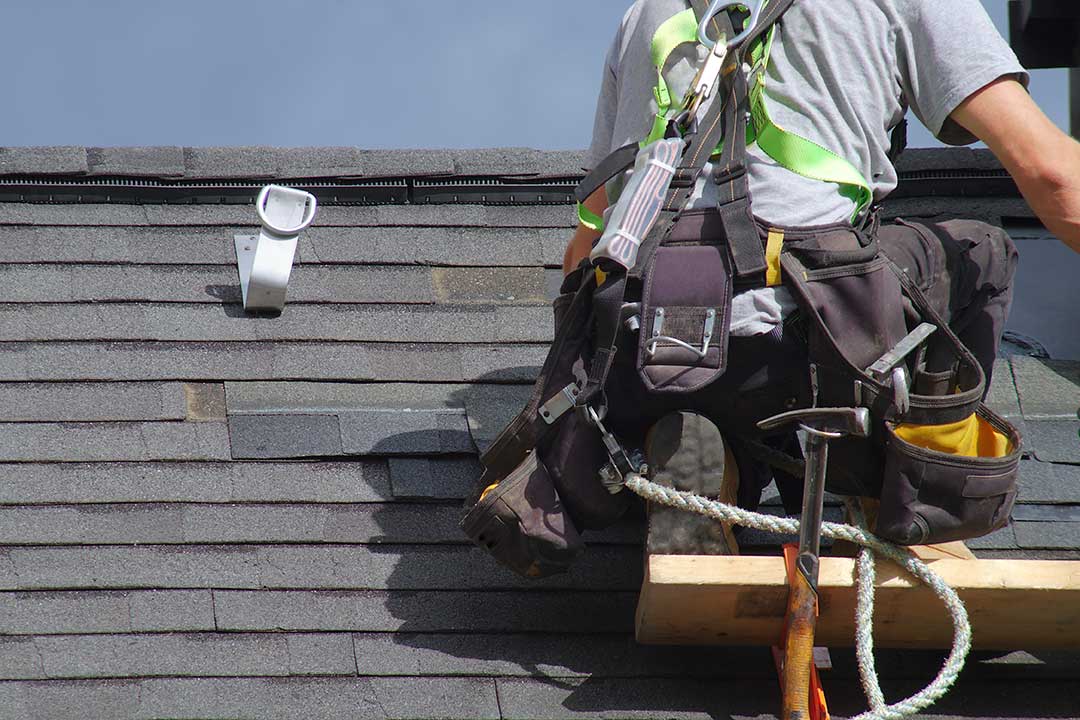
An attic inspection can also provide useful information. Look during daylight and after rainfall if possible. Do not step between ceiling joists unless a safe walking surface is present. Look for damp wood, water trails, darkened insulation, and daylight entering through gaps.
Avoid pulling up shingles, scraping metal, or removing packed debris from a roof surface without proper equipment and experience. Disturbing damaged materials can increase leakage or create a fall hazard.
How urgent is a failing valley?
The urgency depends on the type and extent of damage. Active water entry, exposed decking, a sagging roof surface, or a large opening should be treated as an immediate concern because moisture can damage insulation, framing, ceilings, and electrical components.
Less dramatic signs still deserve timely attention. A small lifted shingle or rust spot may allow water to enter during the next strong storm. Valley problems often expand gradually, so waiting for a large interior stain can mean that hidden damage has already developed.
Temporary protection may be appropriate during an emergency, but covering a roof with plastic or tarp material can be dangerous in wind, snow, or icy conditions. Any temporary covering should not involve walking on an unsafe roof or disturbing loose materials.
Do roof valleys need special maintenance in Greene, NY?
They benefit from seasonal observation, especially before and after winter. Local homes may have mature trees, roof sections with different slopes, and periods of heavy precipitation that place extra demand on valley drainage.
Useful maintenance habits include:
- Check valleys in late autumn after leaves have fallen.
- Look again in spring for damaged shingles, displaced flashing, and signs of ice-related leakage.
- Keep nearby gutters and downspouts clear so valley water has an unobstructed exit.
- Trim branches that repeatedly drop debris onto the roof, while avoiding unsafe work near roof edges.
- Watch for recurring stains after storms rather than assuming a single wet spot is harmless.
- Keep records of when stains, drips, or visible changes occur.
Roof cleaning should be approached carefully. Pressure washing can remove protective granules and damage shingles. Harsh tools can scratch metal flashing or tear underlayment.
What should be documented before repair decisions are made?
Clear documentation helps distinguish an isolated surface problem from a larger drainage or moisture issue. Photograph the valley from the ground, record visible interior staining, and note whether the problem appears after rain, snowmelt, wind, or freezing temperatures.
Useful details include:
- The approximate age and type of roof covering
- Whether the valley has exposed metal or shingles
- The location of indoor stains
- Whether stains are dry, damp, or expanding
- Any recent storms, snowfall, or ice buildup
- Whether debris regularly collects in the same area
A roof valley is failing when it can no longer move water reliably or maintain a continuous protective barrier. Early signs—especially displaced shingles, damaged flashing, debris dams, and recurring interior moisture—should not be dismissed simply because the rest of the roof looks intact.
