
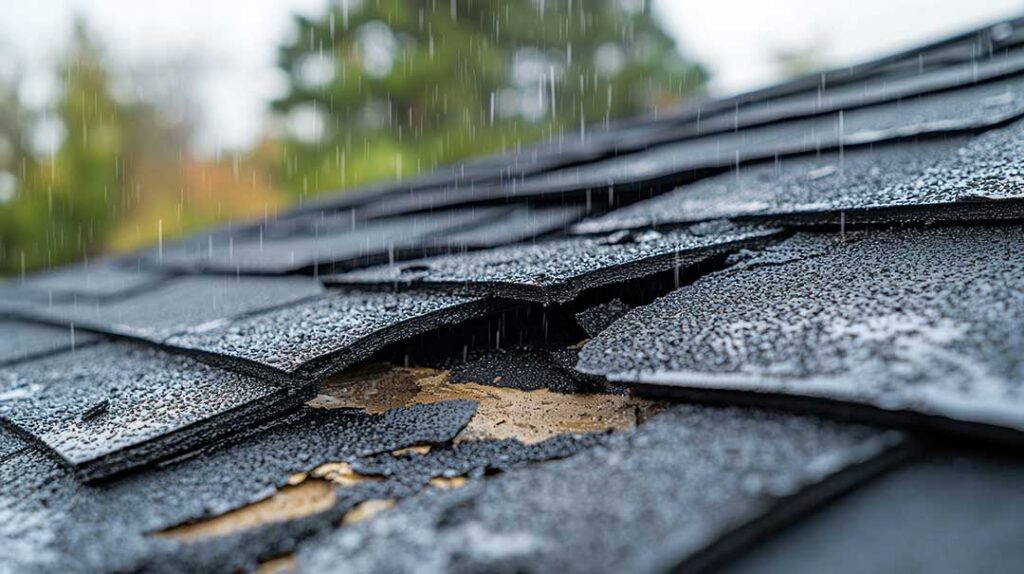
Replacing a roof can affect household energy use, but the savings usually come from more than new shingles alone. A roof replacement may improve energy performance when it includes better air sealing, attic insulation, moisture control, and ventilation.
For residents in Greene, NY, these improvements can be especially relevant because homes must handle cold winters, snow, wind, spring rain, and warm summer conditions. The roof is part of the building envelope, meaning it helps separate conditioned indoor space from outdoor temperatures.
Can replacing a roof lower heating and cooling costs?
Yes, but the amount of savings depends on the condition of the existing roof and the work completed around it. A new roof surface by itself may have only a limited effect on energy bills. The larger benefits often come from correcting problems discovered beneath the roofing materials.
A roof replacement may help reduce energy use by:
- Limiting air leakage around the attic and roof penetrations
- Allowing damaged or compressed insulation to be repaired
- Improving attic ventilation
- Reducing moisture that makes insulation less effective
- Reflecting some solar heat during warmer weather
- Preventing wind-driven drafts through deteriorated roof areas
If the existing roof is already in good condition and the attic is properly sealed and insulated, replacing the shingles may not produce a noticeable change in monthly utility costs.
Why does the attic matter so much?
In many homes, the attic is where the greatest roof-related energy losses occur. Warm indoor air can escape through gaps around light fixtures, plumbing pipes, chimneys, wiring, attic hatches, and other openings. Cold outdoor air can enter through similar pathways.
Insulation slows heat transfer, but insulation does not stop air movement on its own. Air sealing and insulation work together. If insulation is thin, uneven, wet, or disturbed by roof leaks, the heating system may need to run longer during cold weather.
During summer, the same attic can become extremely hot. Heat moving through the ceiling can increase indoor temperatures and make air-conditioning equipment work harder. Proper insulation helps slow that transfer, while balanced ventilation helps release heat and moisture from the attic space.
A roof replacement creates an opportunity to inspect these conditions rather than covering them with new roofing materials.
What roof replacement details can improve efficiency?
Several parts of the roof system can affect energy performance.
Attic air sealing
Before insulation is added or replaced, gaps in the attic floor should be identified and sealed where appropriate. Common leakage points include recessed lights, plumbing penetrations, wiring holes, duct openings, and the attic access panel.
This work reduces the movement of heated or cooled indoor air into the attic. It can also help prevent warm, moist air from reaching cold roof surfaces where condensation may occur.
Insulation improvements
A roof project may reveal insulation that is missing, damp, settled, or uneven. Adding insulation to the proper depth can help stabilize indoor temperatures and reduce the workload on furnaces and air conditioners.
Insulation should not block soffit or intake vents. Blocking those openings can interfere with airflow and increase the risk of moisture problems. The correct approach depends on the roof design, attic configuration, and existing materials.
Roof ventilation
Roof ventilation is intended to support controlled airflow through the attic. A properly balanced system generally uses lower intake openings and higher exhaust openings.
Ventilation does not replace insulation or air sealing. In fact, poorly sealed attic floors can allow conditioned air to escape into the attic, where ventilation carries it outdoors. That wastes energy rather than saving it.
Underlayment and moisture protection
A roof that allows water into the attic can damage insulation and framing. Wet insulation generally performs poorly and may contribute to mold or odor problems. Replacing deteriorated underlayment, flashing, or other water-control components can help protect the thermal envelope.
Moisture control is an energy issue as well as a durability issue. A dry, intact insulation system works more effectively than one that has been repeatedly exposed to leaks.
Do lighter-colored or reflective roofs reduce energy bills?
They can reduce heat gain during sunny weather, particularly on buildings with low insulation levels or substantial air-conditioning use. Reflective roofing is generally more valuable in hot climates than in colder climates.
For homes in Greene, summer heat reduction may provide some benefit, but winter heating demand is usually a more significant consideration. A highly reflective roof is not automatically the best choice for every home. Insulation, air sealing, roof orientation, shade, attic design, and heating and cooling habits all affect the result.
Roof color should be considered as one part of the system rather than treated as a guaranteed source of major savings.
Can a new roof help with ice dams?
It may help when ice dams are related to heat escaping into a cold attic. Warmth that reaches the underside of the roof can melt snow unevenly. The water may then refreeze near colder roof edges, creating an ice dam.
A new roof surface alone does not correct this cause. More effective measures may include:
- Sealing air leaks between the living space and attic
- Improving insulation levels
- Maintaining clear and balanced attic ventilation
- Correcting roof drainage and flashing problems
- Ensuring bathroom and kitchen exhaust vents terminate outdoors rather than in the attic
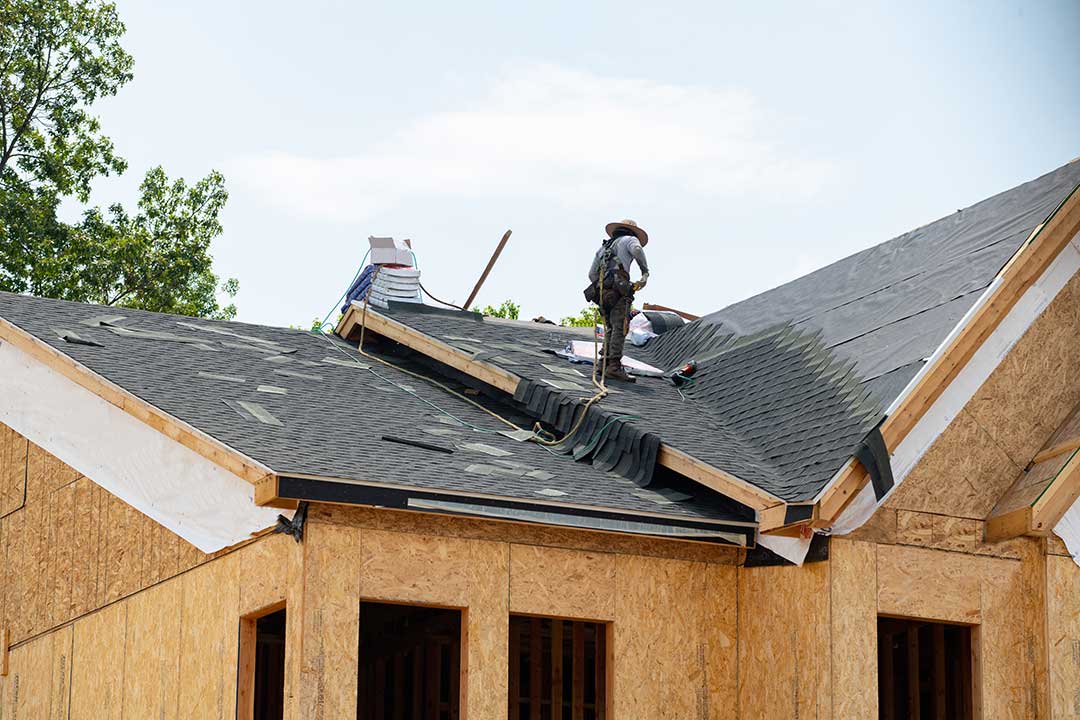
Ice dams can also be influenced by snow depth, roof shape, outdoor temperature changes, and the amount of shade on different roof sections.
How much can a household save?
There is no reliable flat dollar amount for every home. Savings depend on the starting condition of the roof and attic, the home’s size, fuel type, insulation levels, air leakage, thermostat settings, weather, and utility rates.
A home with serious air leakage and inadequate insulation may see a meaningful improvement after the attic is properly sealed and insulated. A home with a sound roof, strong insulation, and few air leaks may see little change after a standard roof covering replacement.
The most useful comparison is often energy use over time rather than one monthly bill. Heating degree days, fuel prices, and seasonal weather can make one winter look very different from another. Reviewing several years of utility records can provide a clearer picture.
What should homeowners check before replacing the roof?
An energy-focused roof evaluation should look beyond visible shingles. Useful questions include:
- Is the attic insulation evenly distributed and dry?
- Are there visible water stains or signs of past leakage?
- Can daylight or drafts be seen around attic openings?
- Are soffit, ridge, gable, or other vents functioning as intended?
- Do bathroom or kitchen exhaust fans discharge outside?
- Are ducts or heating equipment located in an unconditioned attic?
- Are ice dams, cold ceilings, or uneven room temperatures recurring?
A home energy assessment can help identify whether the roof, attic, walls, windows, basement, or heating system is the main source of high energy use. This prevents homeowners from expecting a roof replacement to solve problems caused elsewhere in the building.
Is roof replacement worthwhile for energy reasons alone?
Usually, energy savings should be viewed as one part of the decision rather than the only reason to replace a roof. A roof that is leaking, near the end of its service life, or showing widespread deterioration may justify replacement for protection and durability. Efficiency improvements can then be incorporated while the roof assembly is accessible.
If the roof is still sound, targeted air sealing and attic insulation may provide more direct energy benefits at a lower cost than replacing the entire roof. The best sequence depends on the condition of the roofing materials and the rest of the home’s envelope.
For local households, the practical goal is not simply installing a new roof. It is creating a dry, well-sealed, properly insulated, and ventilated roof system that helps maintain more stable indoor temperatures throughout the heating and cooling seasons.
