
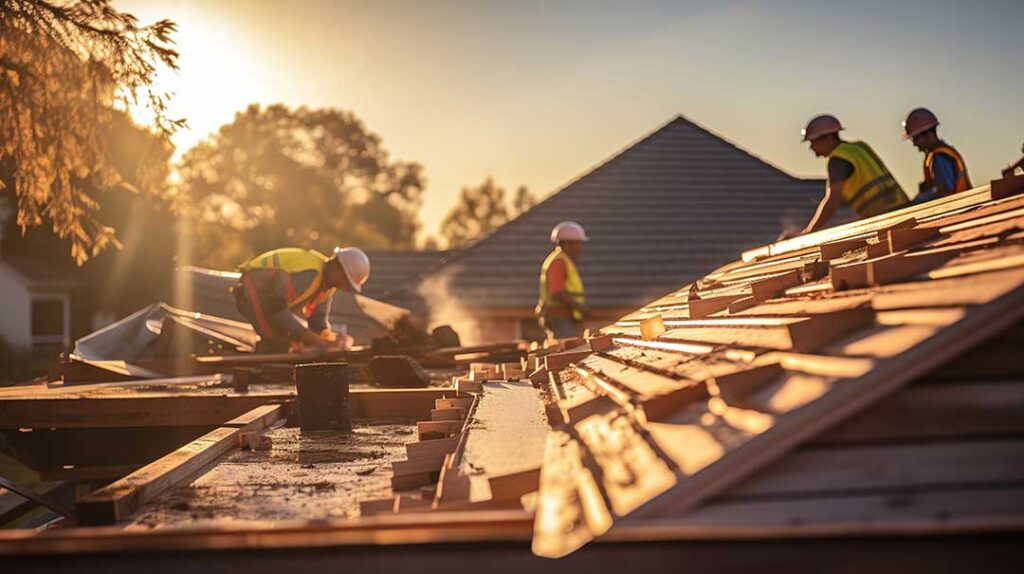
How can animals affect roof integrity?
Animals can damage a roof by creating openings, loosening materials, blocking drainage, and allowing moisture into the attic. In Greene, NY, these problems may become more serious when rain, snow, ice, and freeze-thaw cycles act on areas that wildlife has already weakened.
The first signs are not always visible from the ground. A small gap near a roof edge can allow water, cold air, insects, or nesting material into the building. Over time, what began as animal activity may lead to wet insulation, stained ceilings, wood decay, mold growth, or higher heating costs.
Common roof-involved animals include:
- Squirrels and other rodents
- Raccoons
- Bats
- Birds
- Wasps and other stinging insects
- Woodpeckers
- Feral or outdoor cats that climb across roof surfaces
Each animal causes damage in a different way, so identifying the entry point and the type of activity matters.
Which parts of a roof are most vulnerable?
Roof edges, vents, chimneys, and areas where different materials meet are especially vulnerable because they contain seams, gaps, or flexible components. Animals often use existing weaknesses rather than creating a completely new opening.
Frequently affected areas include:
- Soffits and fascia boards
- Roof-to-wall intersections
- Ridge, box, and gable vents
- Plumbing vent openings
- Chimney flashing
- Skylight flashing
- Eave edges and drip edges
- Areas beneath loose shingles
- Roof penetrations for wiring or equipment
Squirrels may chew through wood, plastic, or softer vent materials to reach an attic. Raccoons can enlarge small openings by pulling at shingles, trim, or weakened flashing. Birds may enter through damaged vents and build nests that hold moisture against roofing components.
A roof that appears generally sound can still have hidden damage around one small penetration.
What damage do squirrels, raccoons, and rodents cause?
Rodents can chew through roofing accessories, attic wiring, insulation, and wood framing. Their nesting material may obstruct ventilation or collect around electrical components. Chewed openings also make it easier for additional animals to enter.
Raccoons are stronger and can cause more noticeable structural damage. They may pull apart roof-edge materials, bend flashing, or enlarge an opening near a soffit or chimney. Once inside, they can damage insulation, tear at ductwork, and leave waste that creates sanitation concerns.
Animal waste should not be treated like ordinary household dirt. Droppings and contaminated nesting materials may carry bacteria, parasites, or irritating particles. Cleanup can also disturb airborne contaminants, particularly in a poorly ventilated attic.
If an animal is still inside the roof or attic, sealing the opening immediately can trap it or separate a mother from its young. The entry problem should be addressed only after it is reasonably clear that the space is unoccupied.
Can birds damage shingles and roof vents?
Birds can damage a roof even when they do not enter the attic. Nesting material may block vents, gutters, or drainage paths. Blocked ventilation can trap heat and moisture in the attic, increasing the risk of condensation and wood deterioration.
Some birds repeatedly peck at flashing, trim, or roof surfaces. Woodpecker activity is more likely to affect exterior wood components, but repeated holes can allow rain into wall or roof cavities.
Bird nests can also retain moisture against shingles and metal components. Leaves, grass, feathers, and other materials may stay wet after rain or snow, slowing drying and encouraging decay.
A nest near a vent should not simply be pushed farther inside. The obstruction needs to be removed safely, and the vent or surrounding material should be checked for damage.
Do bats create roof problems?
Bats commonly enter through very small gaps near roof edges, vents, flashing, and siding transitions. Their presence may first be noticed through scratching sounds, staining below an entry point, or repeated activity around the roof at dusk.
The primary roof risks are contamination, insulation damage, and openings that allow water or other pests to enter. Bat exclusion also requires care because sealing an occupied roost can trap animals inside. Some wildlife protections may apply depending on the species and season, so removal should be handled in a way that does not create a larger health or legal problem.
The roof itself may need repair after the animals are safely excluded. Replacing only the visible interior insulation will not correct a failed vent, loose flashing, or damaged soffit.
How do insects affect roof materials?
Wasps, hornets, carpenter bees, and other insects can use roof overhangs, wall edges, attic vents, and gaps around flashing. Carpenter bees may bore into exposed wood, while wasps can build nests behind trim or near vent openings.
Insect activity often indicates that a wood component or joint is exposed, soft, or poorly sealed. A nest may not cause major structural damage by itself, but repeated moisture exposure combined with insect access can weaken fascia, soffits, or framing.
Removing a nest without examining the surrounding material may leave the original entry path open. In addition, spraying into a concealed roof cavity can push insects deeper into the building or create problems for anyone entering the attic later.
What warning signs should residents watch for?
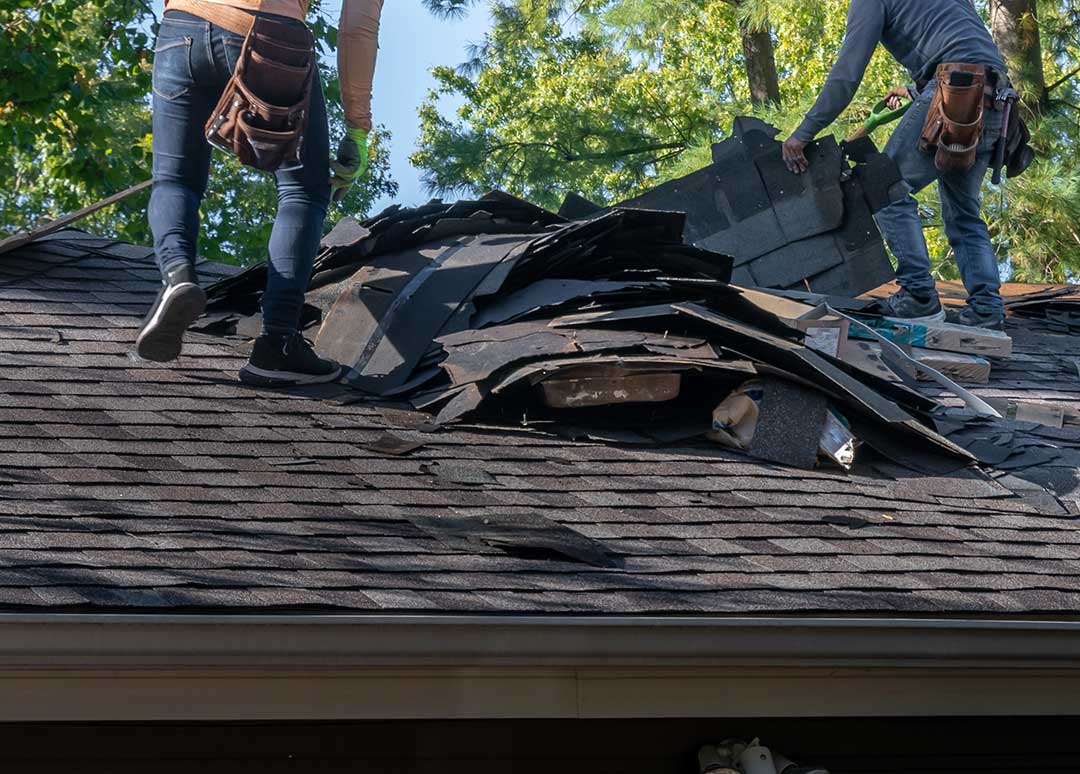
Some signs are easy to see, while others appear indoors. Useful warning signs include:
- Scratching, chewing, or fluttering sounds in the attic
- Droppings, nesting material, or strong odors
- Shingles that appear lifted, displaced, or torn
- Holes near soffits, vents, or roof edges
- Damaged flashing or bent metal
- Daylight visible through the attic roofline
- Water stains near exterior walls or ceilings
- Wet or compressed insulation
- Increased insect activity around roof trim
- Gutters that remain clogged with nesting debris
A single sign does not always prove animal activity. For example, missing granules may result from age or weather, while a water stain could come from damaged flashing rather than an animal opening. Several signs appearing together provide stronger evidence.
How can animal-related roof damage be reduced?
Prevention begins with keeping the roof envelope closed and dry. Regular visual checks from the ground can identify loose trim, damaged vents, and openings before animals find them.
Helpful maintenance practices include:
- Keep tree limbs from providing easy access to roof edges.
- Inspect soffits, fascia, flashing, and vents after major storms.
- Keep gutters and downspouts clear of nesting material and leaves.
- Repair damaged roof-edge materials before winter weather.
- Use properly designed vent protection where appropriate.
- Avoid leaving pet food or open garbage near the home.
- Check attic spaces for daylight, odors, stains, and disturbed insulation.
- Trim vegetation that touches siding or roof components.
Protection should not block required ventilation. Covering a vent with an improvised material can create moisture problems even if it prevents animals from entering.
When does animal damage require prompt attention?
Prompt attention is warranted when water is entering, electrical wiring has been chewed, structural wood appears weakened, or an animal may still be inside. Damage near a chimney, roof valley, skylight, or roof edge deserves particular care because these areas can allow water to travel into walls or ceilings.
In Greene, NY, an opening that seems minor during dry weather may become a significant leak after wind-driven rain, snow accumulation, or repeated freezing and thawing. The safest approach is to separate the problem into three parts: confirm whether an animal is present, repair the entry route, and inspect the surrounding roof and attic for moisture or structural damage.
A roof can remain functional after animal activity, but only if hidden openings, damaged materials, contamination, and ventilation problems are addressed rather than covered temporarily.
