
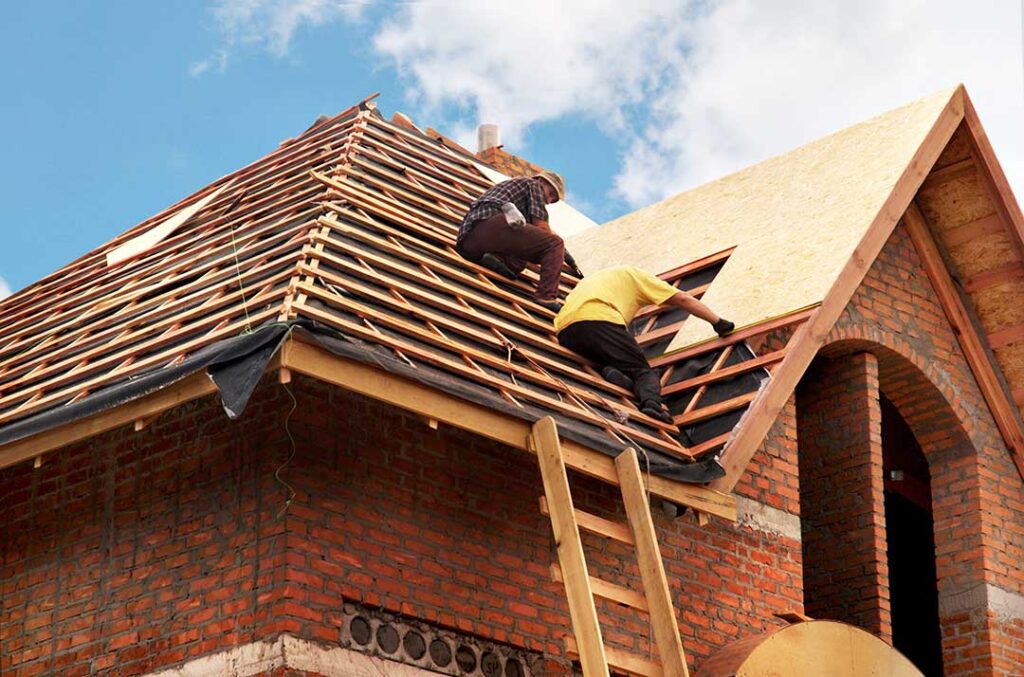
What roof maintenance can a homeowner safely do?
Most roof maintenance involves observation, cleaning, and minor upkeep rather than repairs. In Greene, NY, seasonal weather can place repeated stress on roofing materials, so regular checks are useful for identifying small problems before they become interior leaks or structural damage.
Safe maintenance generally includes:
- Looking for damaged or missing shingles from the ground
- Clearing leaves and small branches from accessible roof edges
- Cleaning gutters and downspouts
- Checking attic spaces for signs of moisture
- Trimming branches that rub against the roof
- Inspecting flashing around chimneys, vents, and skylights from a safe location
- Keeping records of changes noticed after major storms
Walking on a roof is not necessary for most routine inspections. Roof surfaces can be steep, slippery, brittle, or weakened in places that are not obvious from above. Falls are a serious hazard, and stepping in the wrong area can cause damage to shingles or underlying materials.
How often should a roof be inspected?
A practical schedule is to inspect the roof from the ground or attic at least twice a year: once in spring and again in fall. Additional checks are sensible after strong wind, heavy rain, ice, or a storm that leaves branches and debris around the property.
Spring inspections can reveal:
- Shingles loosened by winter wind
- Ice-related damage around roof edges
- Blocked gutters and downspouts
- Water stains that appeared during snow or freezing rain
- Moss or organic debris that remained damp through the colder months
Fall maintenance should focus on clearing leaves, checking drainage, and confirming that roof penetrations and flashing appear intact before winter weather arrives. In wooded parts of the community, branches may deposit leaves and twigs more quickly than homeowners expect.
What should homeowners look for from the ground?
A ground-level inspection can identify many visible warning signs without climbing. Use binoculars if needed, and examine each roof slope from several angles.
Look for shingles that are:
- Missing
- Lifted or curled
- Cracked or split
- Covered with unusually heavy dark staining
- Losing visible surface granules
Also examine roof lines for sagging. A straight roof edge should not appear wavy, dipped, or uneven. Sagging may indicate a problem with the roof deck, framing, moisture, or excess weight and should not be treated as a cosmetic issue.
Check areas where different roof sections meet. Valleys, dormers, and roof edges tend to receive concentrated water flow and may show wear sooner than broad, unobstructed slopes. Flashing around chimneys, plumbing vents, skylights, and wall intersections should look securely positioned, without obvious gaps, lifted edges, or rust-through.
How should gutters and downspouts be maintained?
Gutters help move roof runoff away from siding, windows, foundations, and walkways. They should be cleaned at least twice each year and more often if trees hang over the roof.
Before cleaning, use a stable ladder on firm ground and keep the ladder away from overhead electrical lines. Wear gloves because gutters may contain sharp metal edges, insects, and decomposing debris.
Remove leaves and sediment by hand or with a small scoop, then flush the system with a hose if conditions allow. Confirm that:
- Water flows toward the downspouts
- Downspouts are not blocked
- Gutters are not pulling away from the fascia
- Seams are not visibly separating
- Downspout outlets direct water away from the foundation
A downspout that ends beside the foundation can allow repeated saturation of the soil near the house. Extensions or other drainage adjustments may be needed, but they should not discharge water onto a neighboring property, walkway, or area where winter freezing could create a hazard.
Can moss and algae damage roofing?
Moss can contribute to roof deterioration because it holds moisture against shingles and may lift their edges as it grows. Algae staining is often less damaging by itself, but heavy organic buildup can indicate that a roof remains damp for long periods.
Do not pressure-wash shingles. High-pressure water can remove protective granules and force moisture beneath the roofing material. Scraping moss aggressively can also tear or loosen shingles.
For minor growth, gentle cleaning methods designed for the specific roofing material are safer than abrasive tools. Keep nearby plants protected from runoff, and avoid climbing onto a wet or moss-covered surface. If growth is widespread or located on a steep roof, the condition may be unsafe to address without specialized equipment.
How can attic checks reveal roof problems?

The attic often shows evidence of a leak before water reaches a finished ceiling. Inspect the underside of the roof deck during daylight and after rainfall if possible.
Warning signs include:
- Dark stains or water marks
- Damp insulation
- Soft or deteriorated wood
- Dripping or active moisture
- Mold-like growth
- Daylight visible through areas that should be sealed
- Rust around fasteners or metal components
Not every attic moisture problem comes from a roof leak. Poor ventilation, indoor humidity, bathroom exhaust venting into the attic, and condensation can create similar stains. Bathroom and kitchen exhaust should discharge outdoors through properly sealed vents, not into the attic space.
A small stain does not always identify the exact entry point. Water can travel along roof decking, rafters, or insulation before appearing inside. Avoid covering a stain with paint without understanding its cause.
What should be done after a storm?
After severe weather, inspect the property from the ground before considering any closer examination. Look for loose shingles, fallen branches, damaged vents, exposed underlayment, and debris in gutters.
If a tree or large branch has struck the roof, stay clear of the affected area until the structure is known to be stable. Do not climb onto a roof with visible sagging, exposed electrical hazards, active flooding, or widespread damage.
Temporary protection may be appropriate in an emergency, but tarps, ladders, and wet surfaces create significant risks. Interior water should be collected in containers when practical, and wet belongings should be moved away from the affected area. Electrical fixtures or outlets exposed to water should not be touched.
Which roof problems require more than DIY maintenance?
Some conditions should not be handled as routine homeowner projects. These include:
- Structural sagging
- Large areas of missing roofing
- Active leaks during severe weather
- Damaged chimneys or masonry
- Roof surfaces that are steep, icy, wet, or difficult to access
- Suspected asbestos-containing materials
- Damage near electrical service or overhead wires
- Rot around roof edges or major framing components
Roof repairs also need to follow applicable building and safety requirements. Replacing a small number of shingles may appear simple, but incorrect fastening, poor flashing work, or improper underlayment can create hidden leaks. If the work involves structural components, significant water intrusion, or hazardous access, qualified assistance is warranted for safety and code-related reasons.
How can maintenance records help?
Keep a simple record with the inspection date, weather conditions, visible changes, gutter cleaning, and photographs taken from the ground or attic. Note the location of stains, loose materials, or recurring drainage problems.
These records help distinguish new damage from old discoloration and make it easier to track whether a condition is changing. They can also be useful for understanding the roof’s age, previous repairs, and maintenance history when planning future household work.
IMAGE_ALT:
Homeowner examining roof shingles and cleaned gutters from the ground beside a detached house.
