
Which roofing material is better for a home in Greene, NY?
Neither asphalt shingles nor metal roofing is automatically the better choice for every house. Asphalt shingles are usually simpler and less expensive to install, while metal roofing can offer a longer service life and strong performance in changing weather.
For homes in the community, the decision should account for winter snow, freeze-thaw cycles, summer heat, roof slope, attic ventilation, appearance, maintenance expectations, and how long the household expects to remain in the property. The quality of the roof assembly and installation matters as much as the visible roofing material.
What is the main difference between asphalt shingles and metal roofing?
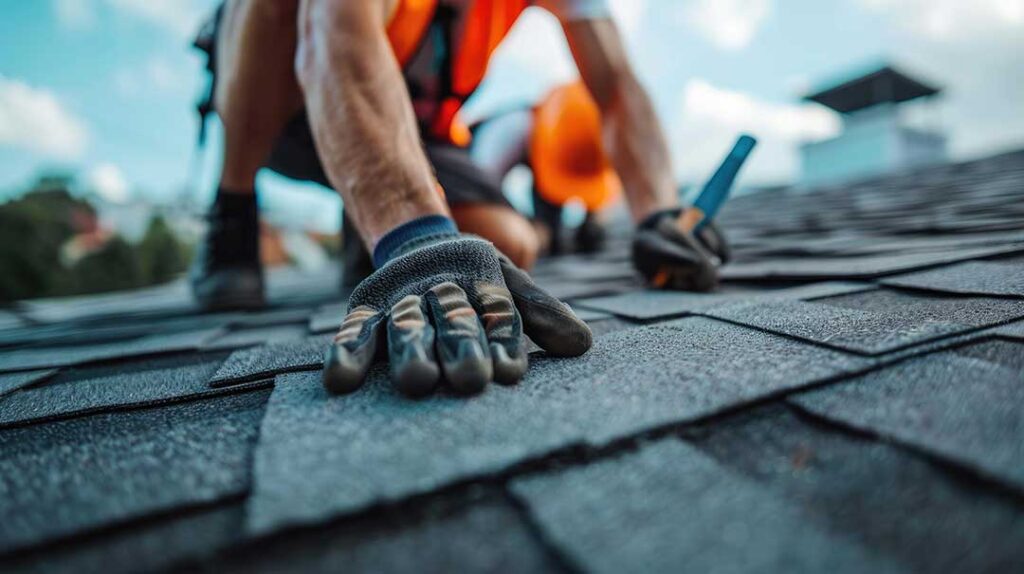
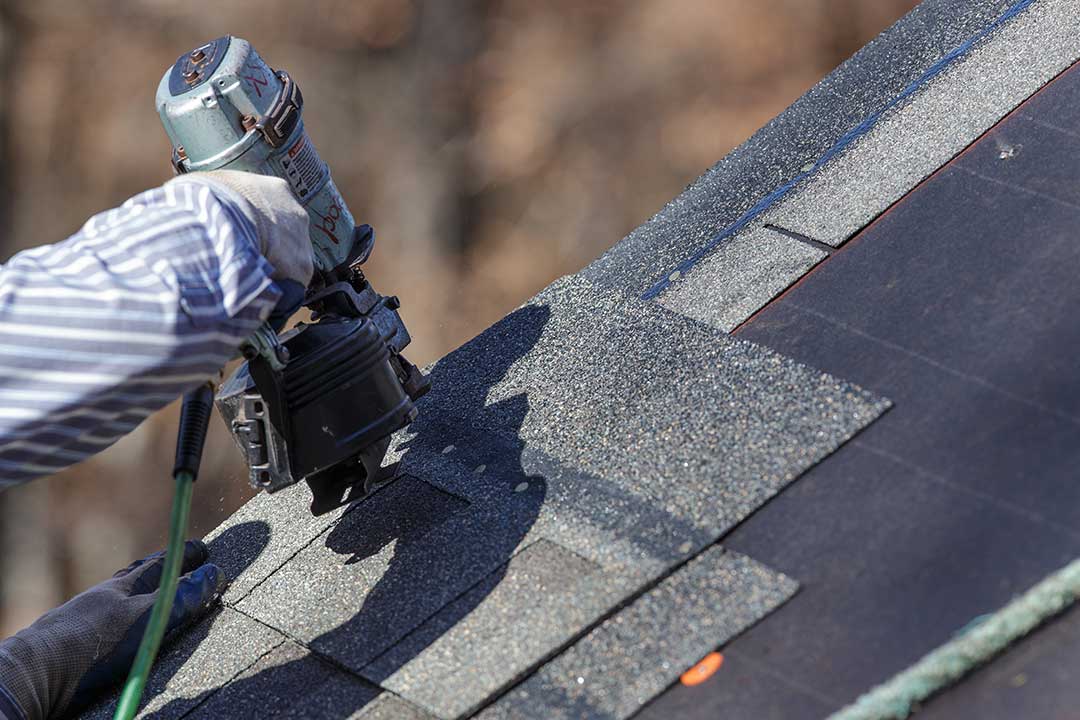
Asphalt shingles are layered fiberglass-based products coated with asphalt and mineral granules. They are installed in overlapping courses over roof sheathing and underlayment. The most common residential versions are designed for sloped roofs and are available in many colors and profiles.
Metal roofing may consist of steel or aluminum panels, interlocking metal shingles, or standing-seam panels. The material is fastened to the roof structure using different systems depending on the panel design, roof slope, and whether the roof is being installed over solid sheathing or another approved substrate.
The comparison is not simply “short-lived shingles versus permanent metal.” Asphalt roofs can perform well for decades when properly selected and maintained, while metal roofs can also experience problems if fasteners, seams, flashing, ventilation, or drainage are poorly designed.
How do the costs compare?
Asphalt shingles generally have a lower initial installation cost. The materials are widely available, familiar to many roofing crews, and relatively straightforward to repair. That makes asphalt a practical choice for households focused on controlling upfront expenses.
Metal roofing usually costs more at the beginning. The price depends on the type of metal, panel profile, protective finish, roof complexity, underlayment, trim, flashing, and whether the existing roof must be removed or reinforced.
A fair comparison should consider the expected service life rather than only the first invoice. Replacing asphalt shingles may be less expensive in one project, but a metal roof may require fewer complete replacements over a long period. This does not guarantee lower lifetime costs because repairs, coatings, fastener replacement, snow-related damage, and future remodeling can affect the calculation.
Which material lasts longer?
Metal roofing commonly has a longer potential service life than asphalt shingles. A well-maintained metal roof may remain serviceable for several decades, especially when corrosion protection, fasteners, seams, and flashing remain in good condition.
Asphalt shingles typically have a shorter service life, though actual performance varies widely. Roof pitch, sun exposure, ventilation, storm damage, installation quality, and the amount of moisture retained by nearby trees all influence how long the shingles remain effective.
In a cold-weather area, age is not the only concern. Repeated freezing and thawing can expose weak flashing, deteriorated sealant, damaged pipe boots, and underlayment problems. A roof that looks acceptable from the ground may still have vulnerable details around valleys, chimneys, skylights, and roof-to-wall intersections.
How do both materials handle snow and ice?
Both systems can work in snowy conditions, but neither material eliminates ice dams. Ice dams form when heat escapes into a cold roof surface, melts snow higher on the roof, and allows water to refreeze near colder eaves.
Metal panels often shed snow more readily than rough asphalt shingles. That can reduce the amount of snow remaining on the roof, but it also creates a safety concern if snow slides suddenly over entrances, walkways, parked vehicles, or lower roof sections. Snow guards may be appropriate in some locations.
Asphalt shingles hold snow more firmly, which may reduce sudden sliding but can leave more weight on the roof. Heavy snow, drifting, and repeated wet snow events can stress the roof structure and gutters.
The most effective defense against ice dams is not the roof covering alone. It includes adequate attic insulation, controlled air leakage, proper ventilation, correctly installed underlayment or ice-barrier materials, and careful attention to eaves and valleys.
Is metal roofing louder during rain?
Metal roofing can sound louder during heavy rain or hail, particularly in an unfinished attic or on a roof with little insulation. In a finished home with insulation, drywall, and a properly assembled roof system, the difference is often much less noticeable.
Noise depends on the entire assembly, not just the metal surface. Underlayment, solid decking, insulation, ceiling materials, and interior finishes all affect sound transmission. A metal roof should not be judged by the sound it makes on a bare shed or open porch.
Which roof is better for summer heat?
Color and reflectivity matter more than material alone. A light-colored or specially finished metal roof can reflect substantial sunlight, while some asphalt shingles are also designed to reduce solar heat gain through reflective granules.
A dark metal roof can become very hot in direct sun, just as dark asphalt shingles can. Roof color, attic insulation, ventilation, and ceiling design have a major effect on indoor comfort.
In a heating-dominated climate, reducing summer heat gain is useful, but roof ventilation should not be treated as a substitute for insulation or air sealing. A well-insulated attic can improve comfort in both winter and summer regardless of the roof covering.
Are there roof-slope or code differences?
Yes. Roof slope affects which products can be used and how they must be installed. Asphalt shingles generally require a minimum slope, with additional underlayment requirements on lower-sloped applications. Metal shingles and different types of metal panels have their own minimum-slope rules.
New York’s current residential code addresses roof coverings, underlayment, flashing, wind resistance, drainage, ice barriers, and replacement work. The 2025 New York State Uniform Code became fully effective on December 31, 2025. Permit requirements and local enforcement procedures can vary, so a roofing project should be evaluated under the code in effect when the application is submitted.
A roof replacement may also reveal damaged decking, inadequate ventilation, outdated flashing, or structural concerns. Installing a new covering over unresolved problems can shorten the life of either material.
Which option is easier to repair?
Asphalt shingles are usually simpler to match and replace in small sections. Isolated damage from wind, falling branches, or animals can often be addressed without disturbing a large area.
Metal repairs depend on the system. A damaged panel may require specialized matching, seam work, fastener replacement, or trim repair. Scratches and exposed metal should be addressed before corrosion develops, particularly around cut edges, penetrations, and areas where dissimilar metals may contact one another.
Metal roofs are not maintenance-free. Gutters, valleys, flashing, sealants, fasteners, and areas beneath leaves or standing debris still need periodic inspection.
Which material makes sense for a specific home?
Asphalt shingles may be a reasonable fit when:
- Initial cost is a major consideration.
- The home has a conventional roof shape and accessible slope.
- Matching an existing roof or nearby additions matters.
- Simple repairs and broad material availability are priorities.
Metal roofing may be worth considering when:
- A longer potential service life is a priority.
- The household plans to remain in the home for many years.
- Snow shedding is desirable and safe snow-control measures can be planned.
- The roof has features suited to a properly designed metal system.
- Reflective colors and long-term material performance are important.
Before choosing, inspect more than the surface. Check roof pitch, attic conditions, ventilation, decking, flashing, gutters, chimney details, roof penetrations, and areas where snow or water tends to collect. A modestly priced roof with sound detailing can outperform an expensive material installed over a poorly prepared structure.
