
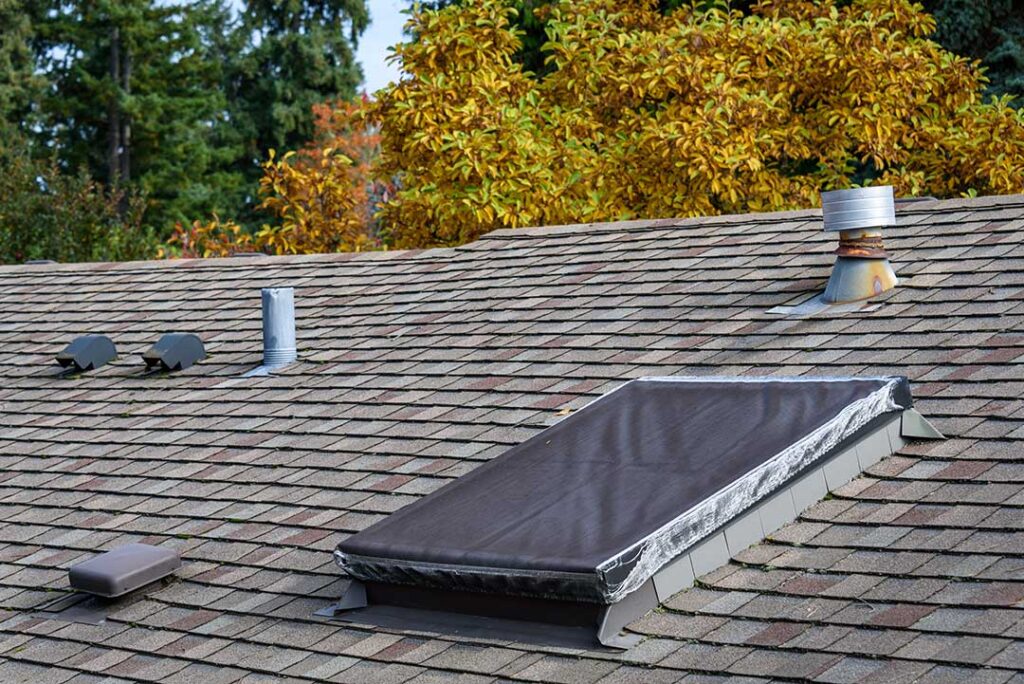
What is the difference between re-roofing and roof replacement?
Re-roofing adds a new layer of roofing material over an existing layer. Roof replacement removes the old roofing, allows the roof deck and underlying components to be inspected, and installs a new roofing system from the deck upward.
The two options may look similar from the ground, but they solve different problems. Re-roofing is mainly a surface improvement. Replacement is a more complete repair that addresses concealed damage, aging materials, and problems with the roof’s underlying structure.
For homeowners in Greene, NY, the choice can be affected by winter snow, freeze-thaw cycles, wind, ice buildup, and the age and construction of the house.
When is re-roofing a reasonable option?
Re-roofing may be suitable when the existing roof is generally sound and has only one layer of asphalt shingles. The shingles may be faded, worn, or nearing the end of their useful life without showing widespread structural damage.
A re-roofing project can sometimes make sense when:
- The roof deck is dry, solid, and free of rot.
- There is only one existing layer of shingles.
- Leaks are limited or connected to surface-level shingle wear.
- Flashing around roof openings is still serviceable or can be addressed.
- The roof has enough remaining shape and strength to support another layer.
- Local building requirements allow another layer to be installed.
Re-roofing is not simply a way to cover every roofing problem. New shingles cannot correct a sagging roof deck, rotted wood, damaged framing, persistent moisture problems, or poorly installed flashing beneath the surface.
In cold climates, covering an existing roof also does not eliminate ventilation problems. If warm, moist air is reaching the underside of the roof and condensing, a new outer layer may leave the underlying cause untouched.
What does a full roof replacement involve?
A full replacement usually begins with removal of the existing shingles, underlayment, and damaged components. Once the roof is exposed, the condition of the decking, flashing, ventilation paths, and edges can be evaluated.
A replacement may include:
- New or repaired roof decking.
- Ice and water protection in vulnerable areas.
- New underlayment.
- Replacement flashing around chimneys, walls, valleys, and roof penetrations.
- Improved ventilation where the roof design permits it.
- New shingles or another approved roofing material.
- Repairs to drip edges, rake edges, and other perimeter details.
The major advantage is visibility. Problems hidden beneath old shingles can be corrected rather than sealed in. This matters if a roof has had repeated leaks, because water can travel beyond the point where it first appears inside the house.
Roof replacement is generally the more appropriate option when the roof has multiple layers, widespread deterioration, significant leaks, soft decking, or visible sagging.
Can a roof be re-roofed more than once?
Usually, re-roofing is limited by the number of existing layers and by local requirements. Many roofing systems are not intended to support unlimited layers, and additional weight can complicate future repairs.
A second layer can also make it harder to identify damage. Uneven areas, trapped moisture, and deteriorated materials may remain hidden under the new shingles. If the roof already has two layers, removal is commonly needed before additional work can be completed properly.
The roof’s slope matters as well. Low-slope sections, complex roof shapes, and areas with numerous penetrations may not be good candidates for an additional shingle layer because water drainage and detailing become more difficult.
Which option lasts longer?
A properly installed full replacement generally offers the more complete and predictable service life because the roofing system starts with inspected or renewed components. Re-roofing can still perform well when the existing roof is in good condition and the installation is appropriate, but its lifespan depends heavily on what remains underneath.
Roof longevity is influenced by more than the shingle material. Important factors include:
- Proper attic ventilation.
- Adequate insulation and air sealing.
- Correct flashing installation.
- Roof slope and drainage.
- Exposure to wind, snow, ice, and shade.
- Maintenance around gutters, valleys, and penetrations.
- The condition of the roof deck.
A new surface over a compromised base may look fresh but may not provide the same reliability as a complete system replacement.
How do leaks affect the decision?
A single, clearly identified leak does not automatically mean the whole roof needs replacement. A damaged flashing detail, missing shingle, or isolated penetration may be repairable.
The decision becomes more serious when leaks are recurring, appear in several areas, or continue after earlier repairs. Water stains may also be misleading because water can move along rafters, decking, insulation, or framing before entering the living space.
Warning signs that often point beyond a simple re-roofing project include:
- Several active leak locations.
- Dark, soft, or crumbling roof decking.
- Shingles that are brittle, curling, blistered, or missing in many areas.
- Granules collecting heavily in gutters.
- Sagging roof lines.
- Moldy or damp attic insulation.
- Rusted or deteriorated flashing.
- Previous repairs covering large sections of the roof.
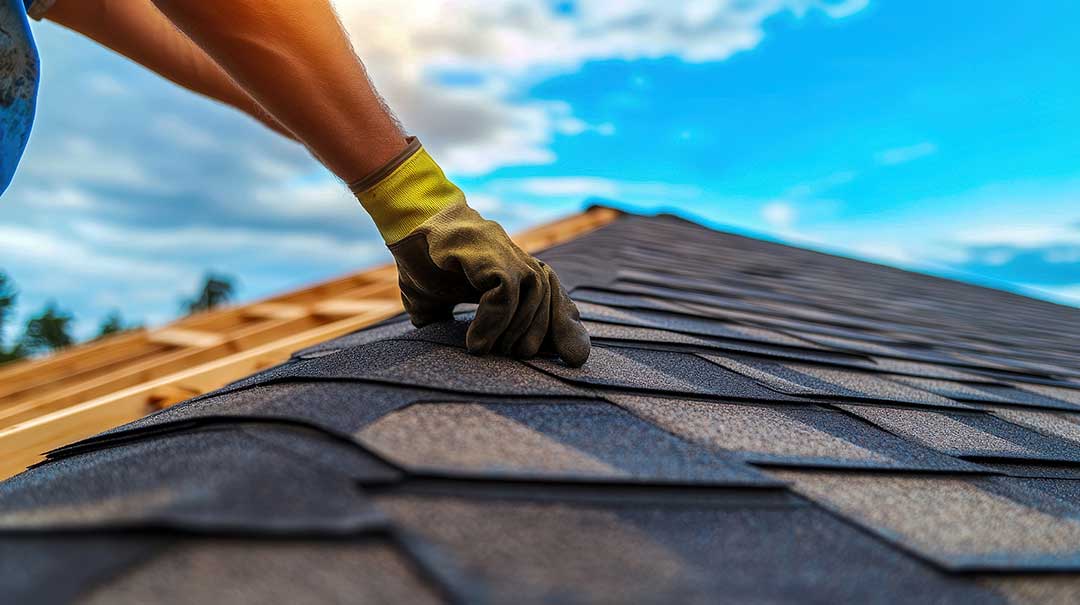
An attic inspection can provide useful information, especially after heavy rain, snow, or a freeze-thaw period. Damp wood, daylight through the roof deck, wet insulation, or poor air movement may reveal issues that are not visible from the ground.
Does re-roofing fix ice dams?
No. Re-roofing by itself does not prevent ice dams.
Ice dams form when heat escapes into the roof area, melts snow on warmer sections, and the water refreezes near colder roof edges. Roofing materials can be damaged when backed-up water enters beneath shingles or around flashing.
Reducing ice-dam risk may require attention to attic insulation, air sealing, ventilation, gutters, roof geometry, and indoor moisture. A full replacement provides an opportunity to improve protective layers at the eaves, but it does not automatically solve an attic heat-loss problem.
This is especially relevant for area homes exposed to repeated snow and freeze-thaw conditions. Roof design, tree cover, attic configuration, and indoor humidity can all affect how much ice accumulates.
Is re-roofing less expensive than replacement?
Re-roofing is often less disruptive and may cost less because it uses fewer materials and requires less tear-off. However, the lower initial cost does not make it the better choice in every situation.
If hidden damage is left in place, future repairs may require removing the new layer as well as the old one. That can increase the eventual cost and make leak diagnosis more difficult.
A fair comparison should consider the complete scope of work, including:
- Whether old roofing must be removed.
- The condition of the decking.
- Flashing replacement.
- Ventilation changes.
- Disposal of old materials.
- Protection for landscaping and exterior surfaces.
- Any required permits or inspections.
- The expected remaining service life.
The least expensive immediate option is not always the least expensive over the life of the roof.
How should a homeowner decide?
Start with the roof’s condition beneath the shingles, not just its appearance. A roof that is cosmetically worn but structurally sound may be a candidate for re-roofing. A roof with moisture damage, multiple layers, recurring leaks, or structural concerns usually deserves a more complete evaluation.
Safety also matters. Walking on steep, icy, wet, or deteriorated roofing can cause serious injury and may worsen damage. Structural sagging, exposed decking, active leaks near electrical components, and extensive storm damage require prompt attention because they can affect the rest of the house.
The key question is not simply whether new shingles can be installed. It is whether the existing roof is a suitable base for another layer and whether the underlying system can protect the home through future winters, rainstorms, and seasonal temperature changes.
