
Why roofing vocabulary matters
Understanding basic roofing terms helps homeowners describe problems accurately, compare repair recommendations, and recognize when a small concern may involve a larger system issue. A roof is more than the visible shingles. It includes several layers that work together to shed water, resist wind, manage snow, and protect the structure below.
For households in Greene, NY, roofing discussions may also involve freeze-thaw cycles, heavy rain, wind, ice, and seasonal snow. Knowing the language makes inspections and maintenance easier to understand.
What are the main parts of a roof?
A typical pitched roof has several important components:
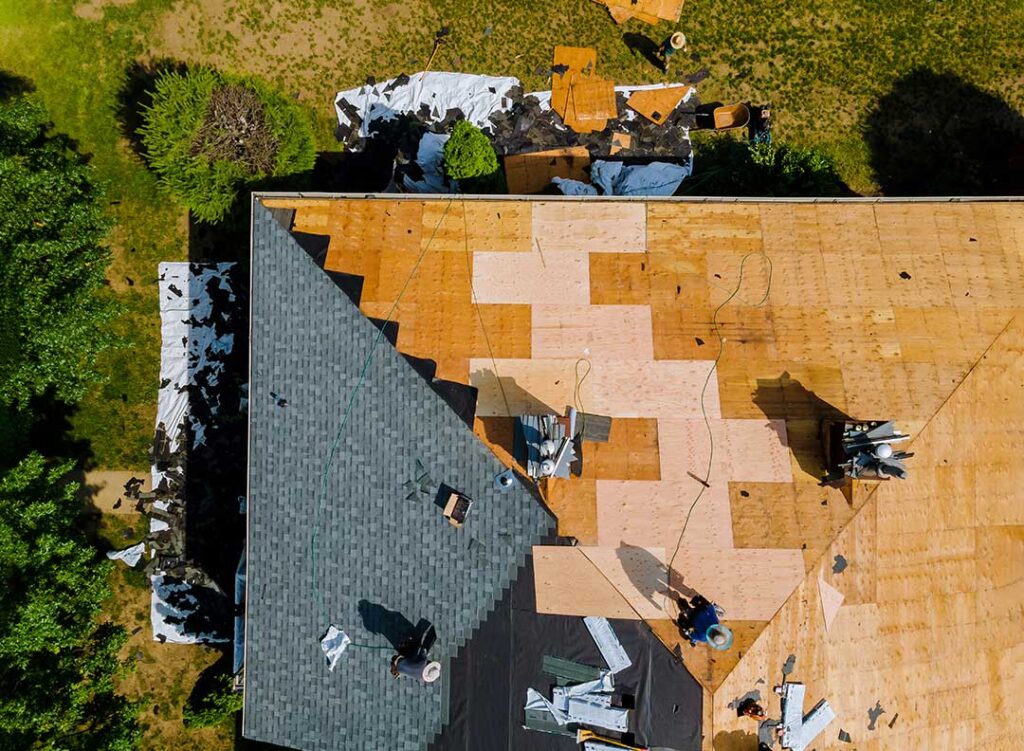
- Roof deck: The structural surface installed over the rafters or trusses. It is commonly made from plywood or oriented strand board. Shingles and underlayment are attached above it.
- Roof covering: The exposed material that sheds water. Asphalt shingles are common, but other coverings include metal panels, slate, wood shakes, and membrane materials.
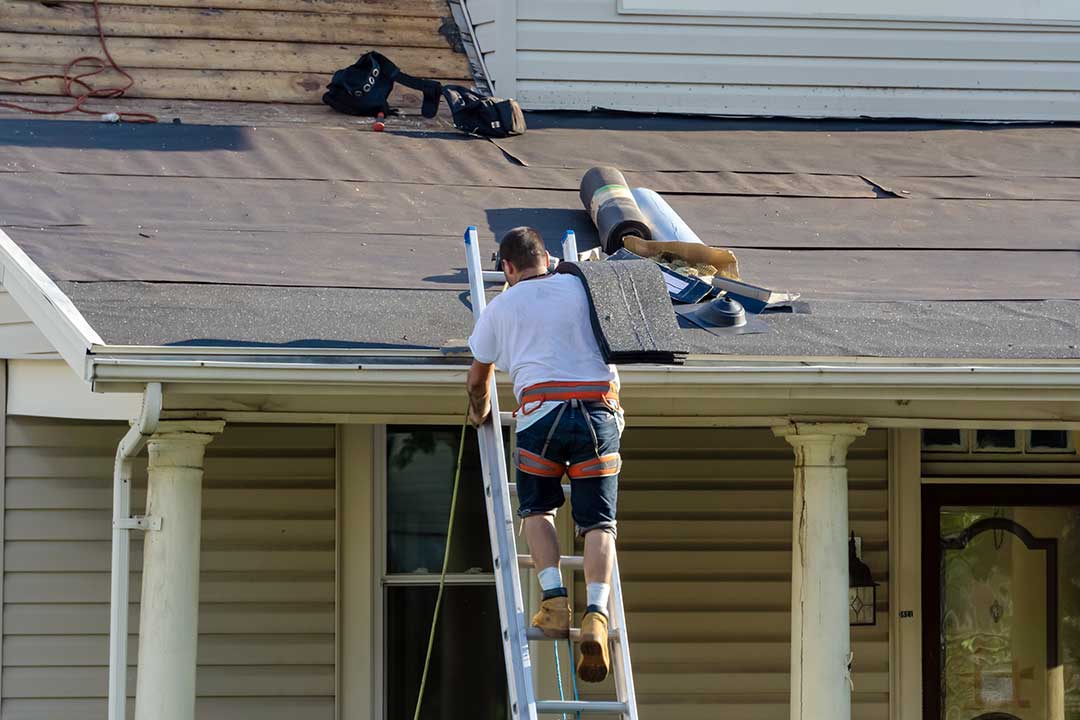
- Underlayment: A water-resistant layer installed between the roof deck and roof covering. It provides additional protection if water gets beneath the outer roofing material.
- Flashing: Thin pieces of metal or another durable material installed around areas where water could enter, such as chimneys, walls, valleys, skylights, and plumbing pipes.
- Drip edge: A metal strip placed along roof edges to guide water away from the fascia and roof deck.
- Fascia: The vertical board along the lower edge of the roof. Gutters are often attached to the fascia.
- Soffit: The underside of an overhanging roof edge. Vented soffits can provide intake air for attic ventilation.
- Ridge: The highest horizontal line where two sloping roof sections meet.
- Hip: An outside angle formed where two roof slopes meet.
- Eave: The lower horizontal edge of a sloped roof.
- Rake: The sloping edge of a roof along a gable.
These parts are connected. For example, damaged flashing may allow water to reach the roof deck, while blocked soffit vents may contribute to moisture problems in the attic.
What do roof pitch and slope mean?
Roof pitch describes how steeply a roof rises compared with how far it extends horizontally. A roof described as “6-in-12” rises six inches for every twelve inches of horizontal run.
The terms pitch and slope are often used interchangeably, although roofing measurements may be expressed in slightly different ways. The distinction matters because some roofing materials require a minimum slope to shed water properly.
Steeper roofs generally move rain and melting snow more quickly. Low-slope roofs depend more heavily on correctly installed membranes, seams, drainage paths, and flashing. A roof that appears nearly flat may need different materials and maintenance practices than a conventional shingle roof.
What is a roof valley?
A valley is the inside angle where two sloping roof sections meet. It collects water from both surfaces, so it must be carefully protected.
Valleys may be designed as:
- Open valleys, where a visible strip of metal or membrane remains exposed.
- Closed valleys, where shingles or other roofing materials cover the valley area.
A valley is not automatically a weak point, but poor installation, debris buildup, ice, or damaged materials can make it more vulnerable to leakage. Water stains near an interior corner or ceiling area may originate from a valley higher on the roof rather than directly above the stain.
What is flashing, and where is it used?
Flashing directs water away from joints, penetrations, and changes in roof direction. Common types include:
- Step flashing: Installed where a roof meets a vertical wall, often in individual overlapping pieces.
- Counterflashing: A secondary flashing component commonly used with masonry walls and chimneys.
- Apron flashing: Installed near the lower side of a wall or roof-to-wall transition.
- Pipe flashing: A flexible or metal collar that seals around plumbing vent pipes.
- Valley flashing: Installed in roof valleys to help control concentrated water flow.
Flashing may look intact from the ground while still having gaps, corrosion, loose fasteners, or failed sealant. Sealant alone is not always a permanent substitute for properly shaped and layered flashing.
What is roof ventilation?
Roof ventilation allows air to move through the attic or roof assembly. A common system uses intake vents near the eaves and exhaust vents near the ridge or upper roof sections.
Important terms include:
- Soffit vent: An intake vent installed beneath the eaves.
- Ridge vent: A continuous or sectional exhaust vent installed along the roof ridge.
- Gable vent: A vent placed in a gable wall.
- Bathroom or kitchen exhaust: A separate ventilation system that should discharge outdoors rather than into the attic.
Roof ventilation is not the same as attic insulation. Insulation slows heat transfer, while ventilation helps manage air movement and moisture. In cold weather, poor attic airflow combined with air leakage can contribute to condensation, damp insulation, mold growth, or uneven roof temperatures.
More ventilation is not always better. Intake and exhaust openings need to work as a balanced system, and vents should not be blocked by insulation.
What are shingles, tabs, and courses?
An asphalt shingle usually has an exposed portion and a concealed portion that overlaps the shingle below.
- Shingle tab: The visible lower section, often separated by slots or cutouts.
- Course: A horizontal row of shingles.
- Starter strip: The first roofing material installed along the eave. It helps seal the lower edge and protect against wind-driven rain.
- Ridge cap: Specially shaped shingles or pieces installed over the ridge and sometimes hips.
A missing tab does not necessarily mean the entire roof has failed, but exposed fasteners, lifted shingles, and missing starter material can allow water entry. Wind damage may appear as creased, displaced, or partially detached shingles.
What is an ice dam?
An ice dam is a ridge of ice that forms along a colder roof edge and prevents melting snow from draining normally. Water can back up beneath roofing materials and enter the attic or walls.
Ice dams are influenced by roof temperature, attic heat loss, insulation, ventilation, outdoor conditions, and snow cover. They are not simply caused by “too much snow.”
Homeowners should avoid climbing onto an icy roof or using sharp tools to break ice. Damage to shingles, gutters, and electrical systems can result from improvised removal methods. Interior staining, dripping, or sagging ceiling materials may require prompt attention.
What do roof warranty terms mean?
A material warranty covers defects in the roofing product under stated conditions. A workmanship warranty addresses installation-related issues, but its terms vary widely.
A warranty may exclude damage from storms, poor ventilation, structural movement, improper maintenance, animals, or alterations made after installation. “Lifetime” usually refers to the expected service period defined by the warranty, not unlimited protection.
Keep records of installation dates, repairs, photographs, product information, and maintenance. These details can clarify the history of a roof if a problem develops later.
Which roof terms signal a serious concern?
Certain observations deserve prompt attention:
- Water entering the living space
- Sagging roof areas or ceiling materials
- Large areas of missing or displaced roofing
- Exposed roof deck
- Widespread shingle loss
- Significant corrosion or separation around chimneys
- Repeated attic moisture or mold
- Snow or ice accumulation causing visible structural strain
Roof work can involve ladders, steep surfaces, electrical hazards, and unstable materials. A homeowner can safely document visible conditions from the ground or attic when appropriate, but hazardous access and structural concerns require qualified evaluation.
Knowing terms such as flashing, underlayment, roof deck, ventilation, valley, pitch, and ice dam allows residents to ask clearer questions and better understand what a roof is doing—and where its protective system may be breaking down.
