
Is it safe to hang lights on a roof?
Hanging holiday lights can be done safely when the roof is dry, stable, and easy to reach without overextending from a ladder. The safest approach is to keep foot traffic to a minimum, avoid damaging roofing materials, and use lighting equipment rated for outdoor use.
Roof work becomes more hazardous during late fall and winter in Greene, NY, when cold temperatures, damp shingles, frost, snow, and gusty weather can make surfaces slippery. If the roof is steep, icy, heavily snow-covered, or more than one story high, decorating from the ground or from approved lower mounting points is safer than climbing onto the roof.
What should be checked before hanging lights?
Inspect the roof and surrounding area before setting up a ladder or handling electrical cords. Look for conditions that could cause a fall or damage the roofing system.
Check for:
- Wet, frosted, icy, or snow-covered shingles
- Loose or missing shingles
- Soft areas, sagging roof sections, or damaged gutters
- Low-hanging branches and overhead utility lines
- Loose fascia, trim, or gutter sections
- Accumulated leaves or other debris
- Wind strong enough to move the ladder or lights
Do not climb onto a roof that has visible damage or questionable footing. A small leak or loose shingle may become a larger problem if a person steps in the wrong place.
Before using a ladder, inspect it for cracked rails, bent parts, damaged feet, or loose hardware. Set it on firm, level ground rather than on ice, muddy soil, stacked boards, or a sloped driveway.
Can lights be attached directly to shingles?
Lights should not be fastened directly to shingles with nails, screws, staples, or anything that punctures the roofing material. Punctures can create paths for water to reach the underlayment or roof deck, and staples can damage the wire insulation.
Use attachment methods designed to hold lightweight decorative lights without penetrating the roof. Suitable options may include:
- Plastic clips that grip gutters or the edge of compatible shingles
- Clips made for fascia, eaves, or soffit edges
- Removable attachments placed on clean, sound exterior trim
- Freestanding stakes or supports for lights along the ground
Clips should hold the light strand without crushing the cord. Avoid placing pressure on brittle shingles, exposed flashing, ridge caps, or areas where water naturally drains.
Gutter clips should not overload or deform the gutter. They also should not block downspouts, cover drainage openings, or interfere with gutter guards.
How should a ladder be used for roof decorations?
A ladder should be used only for short, controlled tasks from a stable position. It is not a safe substitute for a working platform on a steep or slippery roof.
Place the ladder on solid, level ground and keep its feet clear of snow, ice, loose gravel, and wet leaves. The upper section should rest against a strong surface rather than against a gutter, downspout, vent, or decorative trim.
Maintain three points of contact while climbing: two hands and one foot, or two feet and one hand. Carry light strands in a tool belt or bucket instead of holding them while climbing. Never lean sideways to reach a distant section of roofline. Climb down and reposition the ladder.
A second person can help stabilize the ladder, but another person holding the ladder does not make icy ground or a damaged roof safe. Avoid climbing in strong wind, rain, freezing precipitation, or poor visibility.
What type of lights and cords are appropriate outdoors?
Outdoor lighting should be specifically labeled for exterior use. Indoor-only light strands may not have insulation, sockets, or connectors designed to withstand moisture and temperature changes.
Before installation, examine every strand and extension cord. Do not use equipment with:
- Frayed, cracked, or flattened insulation
- Exposed wire
- Loose sockets
- Burn marks or melted plastic
- Missing or damaged plugs
- Corrosion inside connectors
Use outdoor-rated extension cords that are long enough to reach the outlet without being stretched tightly. Keep connections elevated away from puddles, snowbanks, and places where water collects. Do not run cords through doors or windows where they can be pinched.
An exterior receptacle protected by ground-fault circuit interruption is an important safety feature for outdoor lighting. If the circuit trips repeatedly, unplug the lights and investigate rather than bypassing the protection or repeatedly resetting it.
How can lights be arranged without creating a roof problem?
Plan the layout before climbing. Measure the approximate roofline from the ground and identify where each strand will begin and end. Leave enough slack for gentle curves, but avoid large loops that can catch wind or collect water.
Keep light strands away from:
- Chimney caps and flues
- Roof vents and exhaust outlets
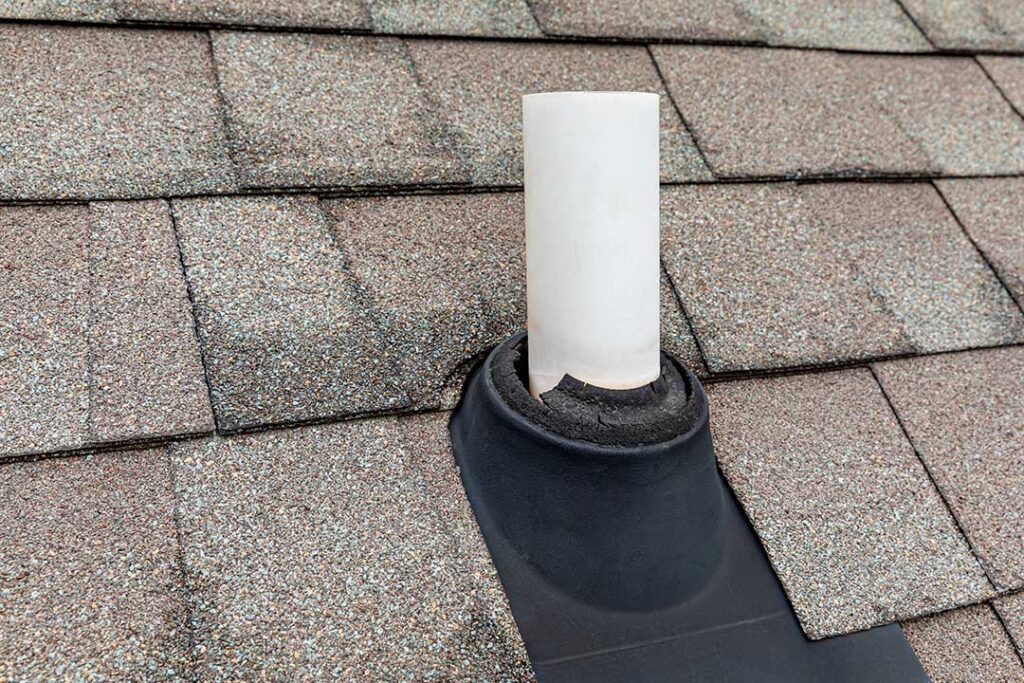
- Plumbing vent pipes
- Skylights
- Valleys and drainage channels
- Sharp metal flashing
- Areas where snow or ice slides from the roof
Do not cover vents or place decorations where they can restrict airflow. Roofing ventilation helps manage heat and moisture in the attic, and it should remain unobstructed.
Avoid hanging lights from plumbing pipes, antenna components, satellite equipment, or other systems not intended to support them. Do not tie wires tightly around branches, railings, gutters, or downspouts. Movement from wind can wear through the insulation.
Is it safe to walk on asphalt shingles?
Walking on asphalt shingles can cause granule loss, loosened edges, or damage that is not immediately visible. The risk increases when shingles are cold, brittle, wet, or covered with frost.
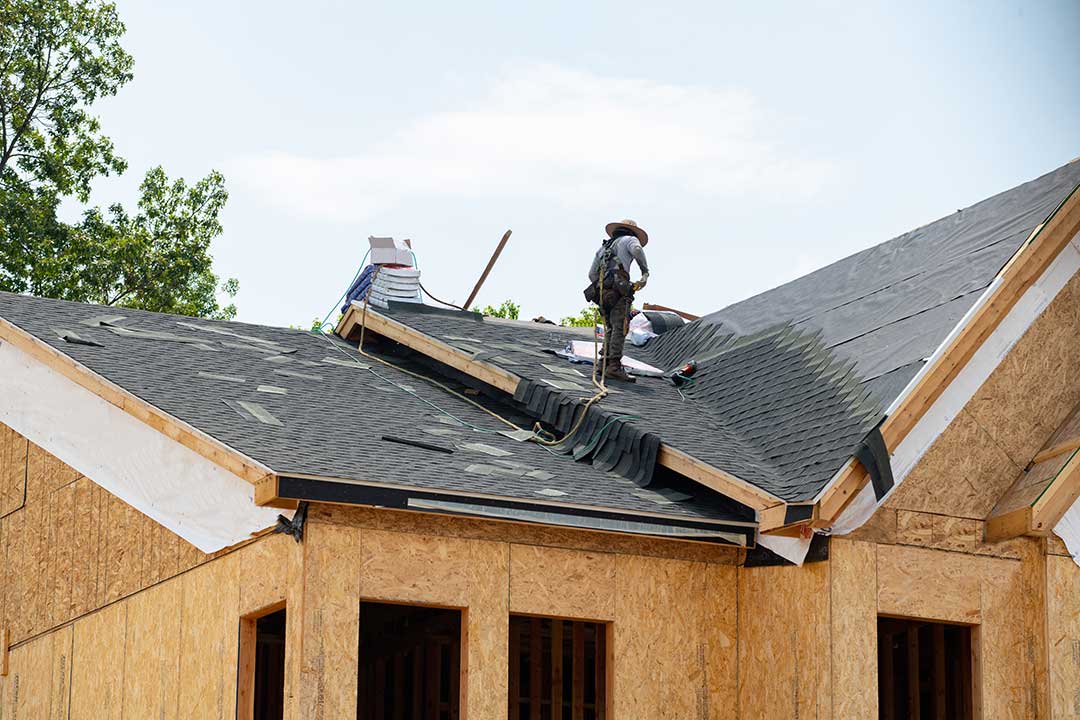
If roof access is unavoidable, step carefully on areas supported by the roof structure and avoid shingle edges, exposed fasteners, flashing, and roof penetrations. However, even careful foot placement cannot eliminate the risk of falling. Decorative lighting rarely requires roof access if clips can be installed from a stable ladder or from the ground.
Do not walk on slate, tile, wood shake, or visibly aged roofing without understanding the material’s limitations. These surfaces can break, crack, or become unexpectedly slippery.
What should be done after the lights are installed?
Test the lights before finishing the installation, then inspect the layout from the ground. Confirm that no strand is hanging near a walkway, touching a sharp edge, blocking a gutter, or resting against a hot exhaust component.
Use a timer or turn lights off before going to bed if the equipment is not designed for continuous operation. Unplug lights before changing bulbs, moving clips, or working near the wiring.
After snow, ice, or a windstorm, inspect the display from the ground. Do not pull on strands that are frozen into place or buried under snow. Allow ice to melt naturally where possible, since forceful removal can pull on shingles, gutters, and electrical connections.
Remove the lights carefully after the season. Pulling cords from a distance can loosen clips or damage trim. Store strands loosely coiled in a dry location, and discard any cord that shows damage rather than saving it for another year.
When should roof decorating be avoided?
Avoid roof access when conditions are icy, snowy, wet, windy, or poorly lit. It is also wise to avoid climbing when alone, when carrying bulky decorations, or when a ladder cannot be positioned securely.
A steep roof, high roofline, damaged roofing system, unstable gutter, or nearby electrical hazard can turn a simple decorating project into a serious fall or shock risk. In those situations, ground-level decorations, window lighting, porch-mounted clips, or lower exterior trim provide safer alternatives without placing people or the roof at unnecessary risk.
