
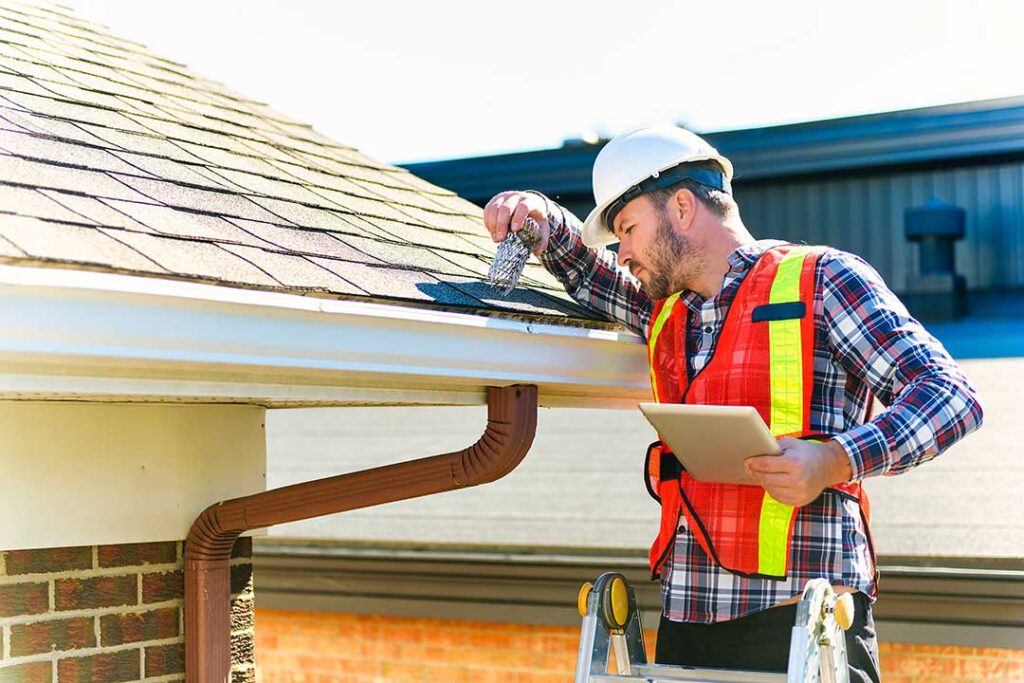
What does “roofing technology” mean today?
Roofing technology now includes more than the visible shingles or metal panels. It also covers underlayments, ventilation, insulation, drainage, solar integration, monitoring tools, and materials designed to handle changing weather conditions.
For homeowners in Greene, NY, the most useful innovations are those that improve resistance to snow, ice, wind, rain, temperature swings, and moisture. Some technologies are highly visible, such as solar roofing. Others are hidden beneath the roof covering but may have an even greater effect on durability.
Newer products are not automatically better for every house. Roof slope, attic design, existing sheathing, ventilation, structural capacity, and local weather exposure all affect whether a particular system is appropriate.
Which roofing materials are becoming more advanced?
Roof coverings are being engineered to resist common forms of damage while remaining lighter and easier to install. Modern options include improved asphalt shingles, coated metal panels, synthetic slate, composite roofing, and other materials designed to imitate traditional styles.
Several developments are especially relevant:
- Impact-resistant materials are made to better tolerate hail, falling branches, and repeated weather exposure. They may reduce surface damage, but no roofing product is completely immune to severe storms.
- Synthetic slate and composite products can provide the appearance of natural slate or wood while weighing less and requiring less specialized structural support.
- Improved metal roofing may include concealed fasteners, protective coatings, and finishes intended to resist corrosion and color fading.
- Longer-lasting shingle designs use stronger fiberglass reinforcement, modified asphalt, and more durable surface granules.
In a cold-weather area, durability is not only about a material’s laboratory rating. Repeated freezing and thawing, ice movement, snow sliding, and moisture entering small gaps can gradually affect the entire roof assembly.
How do cool roofs and reflective materials work?
A cool roof reflects more sunlight and absorbs less heat than a conventional dark roof. This can lower roof-surface temperatures and reduce heat transfer into the attic during sunny weather.
Cool roofing can be created with reflective coatings, specially designed shingles, metal finishes, membranes, or tiles. The greatest energy benefit is usually seen in buildings with substantial summer cooling demand. In Greene, NY, winter heating needs are also significant, so the roof should be evaluated as part of the entire building envelope rather than as an isolated energy-saving feature.
A reflective roof does not replace attic insulation or proper air sealing. Heat loss during winter is usually more closely connected to insulation levels, air leakage, ventilation, and moisture control.
Reflective materials may be more valuable on low-slope roofs, garages, additions, and buildings with hot upper floors. Color and appearance also matter, because a roof that reflects more heat may not provide the same benefit on every building orientation or under every shade condition.
Are solar shingles and rooftop solar practical for local homes?
Solar technology is increasingly integrated with roofing in two main ways: solar panels installed above a finished roof and photovoltaic shingles or tiles that form part of the roof surface.
Solar shingles can create a more uniform appearance, but they may be more complicated to repair if an individual roofing section develops a leak. Conventional solar panels are usually easier to inspect, remove, or replace during future roofing work.
Before adding any solar equipment, a roof should have enough remaining service life to avoid placing new equipment over a roof that may soon need replacement. Structural capacity, roof orientation, shading, snow accumulation, electrical connections, and safe access all require attention.
Solar equipment also changes how future maintenance is performed. Leaks, flashing problems, and damaged roof coverings may be harder to reach when panels or integrated solar materials are present.
What new technologies help with ice, snow, and winter moisture?
Winter performance depends heavily on details beneath the roof covering. Self-adhering ice-barrier membranes, improved synthetic underlayments, stronger flashing systems, and better ventilation products help manage water that can move beneath shingles or collect near roof edges.
An ice barrier is designed to provide additional protection in areas vulnerable to ice-related backup. It is not a heating system and does not eliminate the possibility of ice dams. Ice dams are more likely when heat escapes into the attic, warms the roof deck, melts snow, and allows water to refreeze near colder eaves.
Modern improvements include:
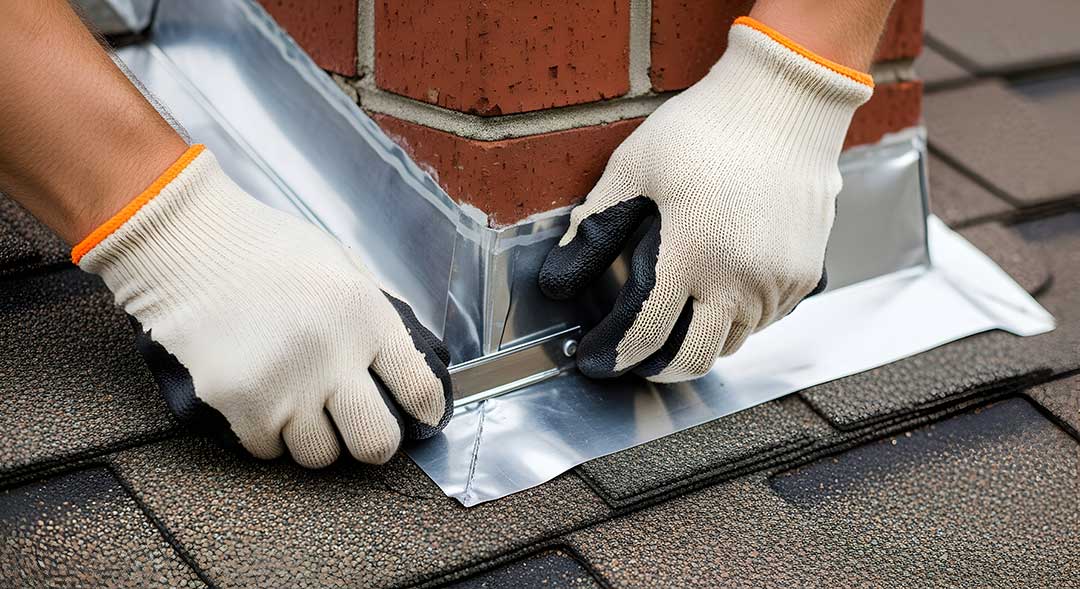
- More durable membranes around eaves, valleys, chimneys, and roof-to-wall intersections
- Synthetic underlayments that are lighter and more resistant to tearing than some older felt products
- Ventilation systems designed to support continuous airflow from intake areas to exhaust areas
- Better-designed flashing around skylights, dormers, chimneys, and sidewalls
- Snow retention systems for certain metal roofs where sliding snow could create a hazard
New York’s residential building requirements address roof coverings, snow loads, underlayments, and ice-barrier conditions. Requirements can vary based on the building, roof design, local conditions, and the applicable code edition, so a proposed roofing change should be checked against current local requirements.
Can sensors detect roof problems before a leak appears?
Roof monitoring is becoming more common on larger or more complex buildings. Sensors can track moisture, temperature, movement, or conditions near drains and vulnerable roof areas. Some systems send alerts when readings suggest a developing problem.
Drones and high-resolution imaging can also help document hard-to-reach areas without placing a person on a steep or fragile roof. These tools may identify missing materials, ponding water, damaged flashing, displaced panels, or areas with unusual heat patterns.
Technology has limits. A thermal image may show temperature differences without proving that a leak exists. A drone may not detect deterioration beneath a roof covering. Sensors also require correct placement, maintenance, and interpretation.
For ordinary homes, regular visual checks from the ground, attic observations, and timely attention to stains or damp insulation may still provide the most practical warning system.
Are green roofs suitable for residential buildings?
A green roof uses waterproofing, drainage layers, growing media, and vegetation above the roof structure. It can slow rainfall runoff, provide a thermal buffer, and protect waterproofing from some forms of sunlight exposure.
Green roofs are more common on low-slope buildings and specially designed structures than on typical steep residential roofs. The saturated weight of the system must be included in structural calculations. Drainage, plant selection, edge protection, maintenance access, and winter performance also need careful planning.
For many local homes, simpler stormwater improvements may be more practical, such as properly directed downspouts, rain gardens, permeable surfaces, or rainwater collection. A green roof should be treated as a complete structural and drainage system rather than as plants placed on top of an ordinary roof.
Which roofing innovations offer the most practical value?
The most useful technology depends on the building’s actual problem. A homeowner dealing with winter drafts may benefit more from air sealing and attic insulation than from a highly reflective roof. A low-slope addition may need improved membrane detailing and drainage. A home with frequent wind exposure may benefit from stronger fastening and better edge protection.
Before choosing a newer roofing product, consider:
- Whether the roof structure can support the system
- How the material performs in snow, ice, wind, and freeze-thaw conditions
- Whether replacement components will remain available
- How future repairs will be made
- Whether the technology solves a documented problem
- Whether installation details match the manufacturer’s requirements and current code
The most reliable roofing advances are often integrated systems: durable coverings, correctly installed underlayments, effective ventilation, sound flashing, adequate insulation, and drainage that moves water away from the building. A sophisticated product cannot compensate for poor installation or an unresolved structural problem.
