
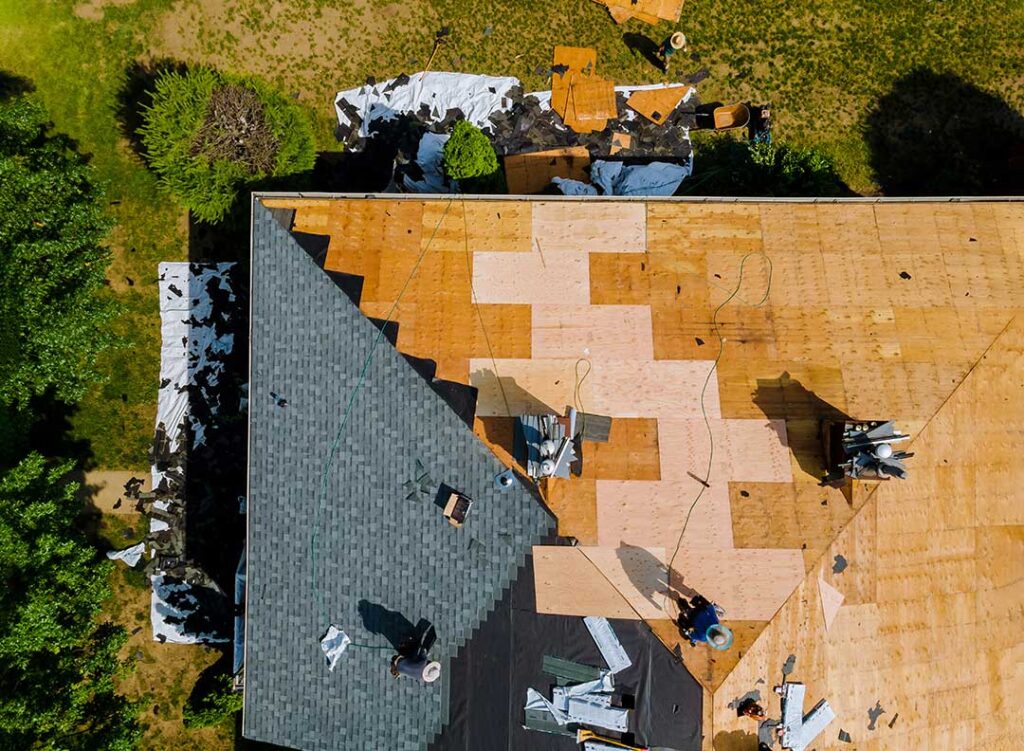
Sun exposure is a normal part of a roof’s job, but years of ultraviolet radiation, heat, and repeated temperature changes can slowly weaken roofing materials. In Greene, NY, sunny summer conditions combine with snowy winters and freeze-thaw cycles, so roof aging usually results from several stresses working together rather than sunlight alone.
What does sunlight do to roofing materials?
Sunlight affects a roof in two main ways: ultraviolet radiation breaks down exposed materials, while heat causes them to expand and contract.
Ultraviolet, or UV, radiation gradually changes asphalt, plastics, rubber, wood, coatings, and sealants. On asphalt shingles, the mineral granules on the surface help protect the asphalt from sunlight. As those granules loosen or wear away, the underlying material becomes more exposed.
Heat adds another form of stress. A roof surface can become much hotter than the surrounding air, especially on a dark, unobstructed slope. As the roof heats during the day and cools at night, materials move slightly. Repeated expansion and contraction can contribute to brittleness, cracking, curling, and weakening around seams or fasteners.
Sun damage is usually gradual. A roof may continue to shed water for years while its materials are becoming less flexible and less resistant to wind, moisture, and impact.
Which part of a roof receives the most sun?
Roof slopes facing the strongest and longest daily sunlight generally weather faster than shaded slopes. In the Northern Hemisphere, south-facing sections often receive substantial exposure, although roof orientation, pitch, nearby trees, and surrounding buildings also matter.
A roof with one sunny slope and one shaded slope may show uneven aging. The sunny side may have:
- More faded or inconsistent color
- Greater loss of mineral granules
- More brittle shingle edges
- Earlier curling or cracking
- Exposed nail heads or underlayment
- More visible wear around roof penetrations
A northern or heavily shaded slope may look newer even when both sections were installed at the same time. That does not necessarily mean the shaded side is problem-free. Shade can reduce drying after rain or snow and may encourage moss or algae growth, creating a different set of maintenance concerns.
How can sun exposure affect asphalt shingles?
Asphalt shingles are designed to tolerate outdoor exposure, but their protective surface changes over time. The mineral granules shield the asphalt from UV radiation and help provide color and texture. When granules are lost, the shingle becomes more vulnerable to weathering.
Common signs include:
- Granules collecting in gutters or at the ends of downspouts
- Bald or visibly smooth patches on shingle surfaces
- Shingles that feel unusually stiff or brittle
- Corners that curl upward
- Cracks along tabs or between shingles
- Blisters, raised areas, or exposed asphalt
- Increased granule loss after heavy rain
Some granule loss is normal during installation and early weathering. A concentrated pattern of loss, especially on one sunny roof slope, is more significant. Large bare areas can allow sunlight and moisture to reach portions of the shingle that were not intended to remain exposed.
Sunlight can also affect the adhesive strips that help shingles seal together. Heat may activate these strips, but aging, dirt, cold weather, and repeated weather exposure can reduce sealing performance. This may leave older shingles more vulnerable to wind lifting during strong storms.
Does sunlight cause roof leaks?
Sunlight does not usually create an immediate leak by itself. Instead, it can weaken roofing materials until rain, snow, ice, or wind exposes the resulting failure.
A shingle may become cracked or brittle without allowing water inside right away. Later, a heavy rainstorm may push water beneath a damaged edge. Wind may lift a weakened tab, or freeze-thaw movement may enlarge a small crack. Water can then travel beneath the visible roof surface before appearing on a ceiling or wall.
Leaks may also develop around roof features that receive intense heat and sunlight, including:
- Chimneys
- Plumbing vent flashings
- Skylights
- Valleys
- Roof edges
- Areas around attic vents
The roof covering and the flashing system age together, but they do not always deteriorate at the same rate. A roof that appears acceptable from the ground can still have localized problems around penetrations and transitions.
Why does local weather make the effect more complicated?
Sun exposure is only one part of roof aging in Greene, NY. A roof may heat in summer, cool sharply at night, and then experience snow, ice, wind, and freeze-thaw conditions during the colder months.
The repeated change between wet, frozen, and dry conditions can enlarge small defects. Snow and ice may also conceal damaged areas for part of the winter. When spring arrives, melting water can find openings that were not obvious during a visual inspection from the ground.
Tree cover adds another local factor. Trees can reduce direct sunlight and lower roof temperatures, but branches may rub against shingles, leaves may collect in valleys, and shaded areas may stay damp longer. A roof under partial shade can therefore have less UV damage but more moisture-related wear.
Are dark roofs damaged more by the sun?
Dark roofing materials generally absorb more solar heat than lighter materials, although actual roof temperature depends on color, ventilation, pitch, material composition, local weather, and the amount of shade.
Higher surface temperatures do not automatically mean a roof will fail early. Roofing products are designed for outdoor conditions, and installation quality remains a major factor. However, heat can increase stress on aging materials and may raise attic temperatures if the roof assembly has limited ventilation or insulation.
A lighter-colored roof may reflect more sunlight, but changing roof color is not a substitute for proper drainage, flashing, ventilation, or installation. Reflectivity also varies among materials, and the surface can become less reflective as it collects dust, biological growth, or other debris.
What should residents look for during a roof check?
A ground-level inspection can identify warning signs without requiring anyone to climb onto the roof. Look for changes that are concentrated on the sunniest slopes or areas with little shade.
Useful observations include:
- Uneven fading between roof sections
- Shingles that appear wavy, curled, cracked, or unusually flat
- Exposed dark patches where granules are missing
- Debris containing large amounts of granules
- Rusted or exposed fasteners
- Damaged flashing around chimneys, vents, or skylights
- Daylight visible around attic penetrations
- Water stains, damp insulation, or musty odors in the attic
Roof surfaces can be slippery, fragile, and hazardous, particularly after rain, frost, or snow. Walking on older shingles can cause additional damage and creates a fall risk. If a closer inspection is needed because of suspected leakage, loose materials, or roof-edge damage, safety concerns may require a qualified person with appropriate equipment.
Can sun damage be prevented?
Sun exposure cannot be eliminated, but its effects can be managed. Adequate attic insulation and ventilation can help limit excessive heat buildup beneath the roof. Keeping gutters and drainage paths clear reduces the chance that water will remain against aging materials.
It is also useful to trim branches that scrape the roof or deposit heavy debris, while avoiding excessive removal of healthy shade trees solely to reduce sunlight. Roof coatings should not be applied casually to asphalt shingles because some products can interfere with the shingle surface, seals, or manufacturer requirements.
The most useful approach is to track gradual changes. Photographs taken from the same ground-level locations each year can reveal fading, granule loss, curling, or damage that might otherwise go unnoticed.
IMAGE_ALT:
Sunlit asphalt shingles show fading, curled edges, and scattered granules on a residential roof.
