
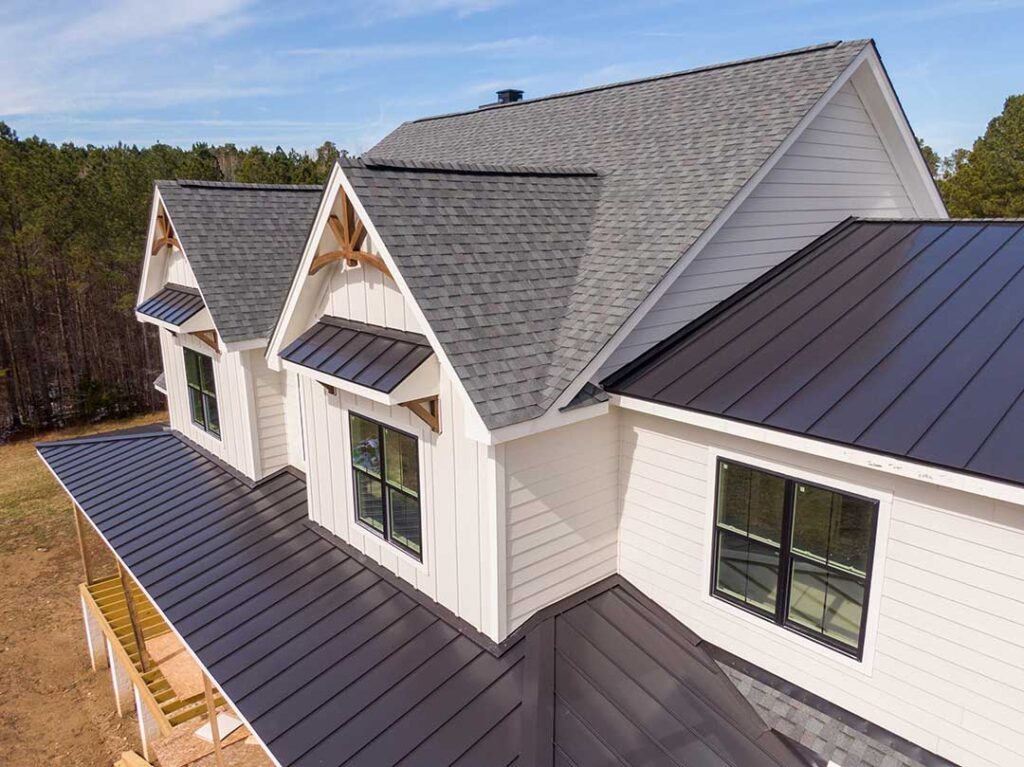
What is the safest way to clean a roof?
The safest roof-cleaning method is usually a low-pressure approach from the ground or from a stable ladder position at the roof edge. Avoid walking on the roof unless the surface is designed for foot traffic and the work can be completed without risking a fall or damaging the shingles.
Roof cleaning is mainly about removing organic growth, loose debris, and staining without stripping away protective granules. Asphalt shingles, wood roofing, and metal roofing each respond differently to cleaning, so the surface material should be identified before any solution or equipment is used.
For many homes, a careful cleaning involves:
- Removing leaves and twigs with a soft roof rake or a long-handled brush
- Treating moss, algae, or lichen with a suitable low-pressure cleaning solution
- Allowing the treatment to work rather than scrubbing aggressively
- Rinsing gently, if rinsing is necessary
- Keeping runoff away from plants, painted surfaces, pets, and storm drains
In Greene, NY, roofs may collect damp leaves, pollen, and organic material during spring and fall. Shade from trees and extended periods of moisture can also encourage algae or moss growth, especially on roof sections that receive limited sunlight.
Should you walk on the roof to clean it?
Walking on a roof is often unnecessary and can be dangerous. Sloped surfaces become especially slippery when wet, and moss or algae can hide weak areas, loose granules, or damaged shingles.
Foot traffic can also cause damage. Asphalt shingles may lose protective granules, crack around their edges, or become loosened from the roof deck. Older roofing is more vulnerable because years of weather exposure can make shingles brittle.
Do not climb onto a roof if:
- The roof is steep, wet, icy, moss-covered, or visibly damaged
- You would need to step near skylights, roof edges, valleys, or loose shingles
- There is no secure ladder setup or fall-protection system
- Wind, rain, or freezing temperatures are present
- You have limited experience working at height
A roof that appears solid from the ground may still have hidden problems. Soft decking, deteriorated flashing, and concealed leaks are not always visible before someone steps on the surface.
How should leaves and loose debris be removed?
Light debris can often be removed from the ground with a roof rake or an extension pole fitted with a soft brush. Work from the lower edge upward only as far as can be reached safely. Pulling debris downward helps reduce the chance of lifting shingle edges.
Avoid using a garden rake, stiff broom, or metal tool. These can scrape away granules and expose the underlying asphalt coating. Do not drag heavy branches across the roof, and do not use a leaf blower from a ladder unless the equipment can be controlled securely.
Gutters should be checked at the same time. Leaves that remain along the roof edge can wash into gutters and contribute to blockages. However, gutter cleaning introduces its own fall risk, particularly on taller homes or houses with uneven ground around the foundation.
What removes black roof stains and algae?
Dark streaks on asphalt shingles are commonly caused by algae. The discoloration may look like dirt, but ordinary rainfall usually does not remove it. Moss and lichen are more substantial growths and can hold moisture against the roofing material.
A roof-safe cleaning solution should be applied according to its label directions. The solution generally needs time to loosen or kill the growth before any gentle rinsing. Scrubbing hard may make the roof look cleaner temporarily while shortening the life of the shingles.
Use these precautions:
- Protect nearby shrubs and landscaping with water before and after treatment.
- Keep cleaning solution away from ponds, vegetable gardens, and pet areas.
- Wear eye protection, gloves, and clothing that covers exposed skin.
- Use a stable ground position rather than balancing on a ladder near the roof surface.
- Do not mix cleaning chemicals. Some combinations can create dangerous fumes.
- Stop if wind carries spray toward people, animals, windows, or neighboring property.
Pressure washing is not a suitable general-purpose method for asphalt shingles. High-pressure water can remove granules, force water beneath shingle tabs, damage flashing, and shorten the roof’s service life. Even metal roofing can be damaged if pressure is excessive or directed at seams and fasteners.
Can moss be scraped off a roof?
Moss should not be aggressively scraped from shingles. Thick growth may need to be loosened carefully, but forceful scraping can pull up shingle granules and break the roofing surface.
A cleaning treatment is usually safer than trying to remove every trace by hand. After the moss dies and dries, some of it may wash away gradually during later rain. Remaining material can sometimes be removed with a soft brush, but only from a safe position and without bending or lifting the shingles.
Do not pull moss upward from the lower edge of a shingle. That motion can break the seal between shingle courses or dislodge roofing nails. Moss that has grown deeply into the roof surface may indicate prolonged moisture exposure or poor drainage.
How can roof damage be avoided during cleaning?
The main rule is to clean gently and inspect rather than force the roof to look new. Before applying water or a cleaning solution, look for cracked, curled, blistered, missing, or visibly loose shingles. Also check for exposed underlayment, damaged pipe collars, open seams, and separated flashing.
Cleaning should be postponed if the roof has active leaks or serious deterioration. Water may enter through defects that are not obvious from the ground, and cleaning can make an existing problem worse.
Do not seal over roof damage with household caulk or paint. Roofing materials expand, contract, and drain water in specific ways. Improvised repairs can trap moisture or interfere with the roof’s intended drainage path.
After cleaning, inspect the attic or upper ceilings for damp spots if the roof was heavily wetted. A single small stain may have an older cause, but new moisture, dripping, or musty odor deserves attention.
When is roof cleaning unsafe to do yourself?
Roof cleaning should not be treated as a routine outdoor chore if it requires climbing onto a steep or fragile surface. Fall injuries can occur even on relatively low roofs, and wet roofing creates additional risk.
Arrange qualified roofing help when the work involves:
- Steep slopes or multiple roof levels
- Ice, snow, or persistent wetness
- Extensive moss covering
- Damaged or aging shingles
- Chimneys, skylights, solar equipment, or complex flashing
- Electrical lines near the ladder or work area
- A roof that cannot be reached without standing on unstable supports
Safety also includes protecting the property below. Cleaning chemicals can discolor siding, damage delicate plants, corrode metal, or enter drainage systems. If the runoff cannot be controlled, the cleaning method is not appropriate for the site.
How often should a roof be cleaned?
A roof does not need frequent cleaning if it drains well and remains free of heavy organic buildup. Many homeowners can inspect from the ground in spring and fall, after major storms, and before winter conditions arrive.
Trimmed branches, clear gutters, and improved sunlight can reduce future growth. However, trees should not be cut solely for roofing concerns without considering property conditions and local requirements. Branches that scrape shingles or drop large amounts of debris deserve particular attention.
In the community, seasonal moisture and leaf accumulation can make routine observation more useful than repeated washing. A clean roof is not necessarily a healthier roof if the cleaning process removes granules, disturbs flashing, or sends water beneath the shingles.
The safest approach is gentle debris removal, low-pressure treatment when appropriate, careful runoff control, and prompt attention to damage that cleaning reveals.
