
Roof repairs can become urgent after wind, heavy rain, ice, or falling branches. That urgency is exactly what dishonest operators may exploit. In Greene, NY, homeowners can reduce the risk of losing money or ending up with defective work by slowing down the decision, verifying basic information, and refusing arrangements that are difficult to document.
What roofing scams usually have in common
Most roofing scams rely on pressure, incomplete information, or an unusually large payment requested before meaningful work begins. The person may appear shortly after a storm, claim to have noticed serious damage from the street, or say that nearby work has left extra materials available.
Common warning signs include:
- An unsolicited visit, phone call, text message, or social media message
- Pressure to sign immediately
- A claim that the roof must be replaced that same day
- A demand for cash, gift cards, wire transfers, cryptocurrency, or payment through an unfamiliar app
- A request for the full project price before work begins
- A quote that is vague, handwritten, or missing important details
- No verifiable business address, insurance documentation, or references
- A refusal to provide a copy of the contract
- A promise to “handle everything” with an insurance company
- A price dramatically lower than other written proposals
A legitimate roof problem may need prompt attention, but urgency does not eliminate the need for verification. A temporary measure, such as protecting an exposed area from further water entry, may be different from authorizing a complete replacement.
Should a homeowner trust someone who arrives after a storm?
Extra caution is appropriate after severe weather. Storm-related roofing scams often involve people who travel from one area to another, collect deposits, and become difficult to locate once the work is incomplete.
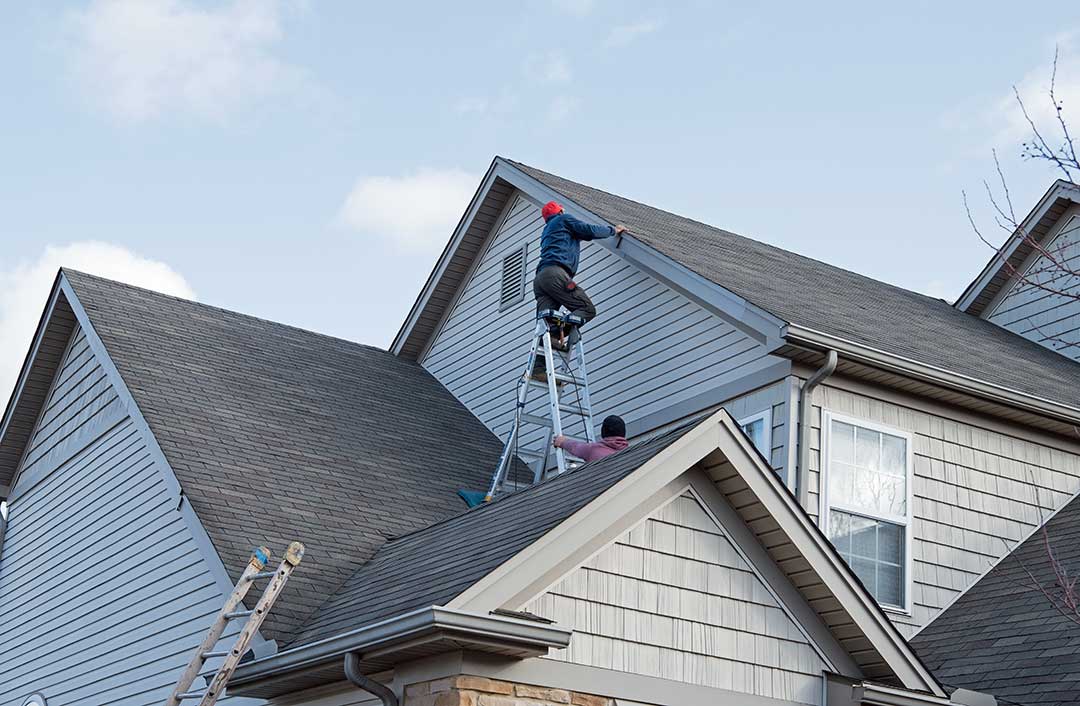
A person who arrives at the door should not be allowed onto the roof simply because the person claims to see damage. Ask for identification and written information, then independently verify the business name, address, telephone number, insurance coverage, and references. Do not use only a phone number or website supplied by the visitor.
Homeowners can say that no decision will be made at the door. A trustworthy contractor should accept that response without intimidation, repeated calls, or claims that the price is available for only a few minutes.
Seasonal conditions also matter. In the Southern Tier, snow, ice, freeze-thaw cycles, wind, and falling limbs can create legitimate roofing concerns. Those conditions make it sensible to document visible damage, but they do not prove that a full roof replacement is necessary.
What should be included in a roofing contract?
A written contract should explain exactly what is being purchased. For home-improvement work costing more than $500, New York law generally requires a written contract with key project information.
The agreement should identify:
- The contractor’s legal or business name, address, and telephone number
- A detailed description of the work
- The materials to be used, including identifying information where applicable
- The total price and payment schedule
- Approximate start and completion dates
- Conditions that could change the schedule
- Responsibility for permits, inspections, cleanup, and disposal
- Warranty terms and the process for raising unresolved problems
- Any work excluded from the price
Never sign a contract with blank spaces. Do not rely on promises made only by text message or conversation. If a change becomes necessary after work begins, the change should be written down with its effect on the price and schedule.
New York home-improvement contracts generally include a three-business-day cancellation notice, subject to limited exceptions such as certain emergency situations. Read that notice before signing and keep a complete copy of every document.
How much money should be paid up front?
A large upfront payment is a significant warning sign. Paying the entire price before materials arrive or work begins leaves a homeowner with little leverage if the project stops.
A safer arrangement ties payments to clearly defined progress. The contract should explain when each payment is due and what stage of work it covers. Avoid handing over cash without a receipt, and be cautious if a contractor refuses ordinary, traceable payment methods.
New York rules also provide protections concerning customer payments for covered home-improvement work. Contractors may be required to place advance payments in an escrow account or provide other permitted protection for the funds. Ask how the money will be handled and request the information in writing.
Do not allow a contractor to pressure you into borrowing money, signing a blank insurance authorization, or paying an unexplained “materials” charge.
How can roof damage be checked without being misled?
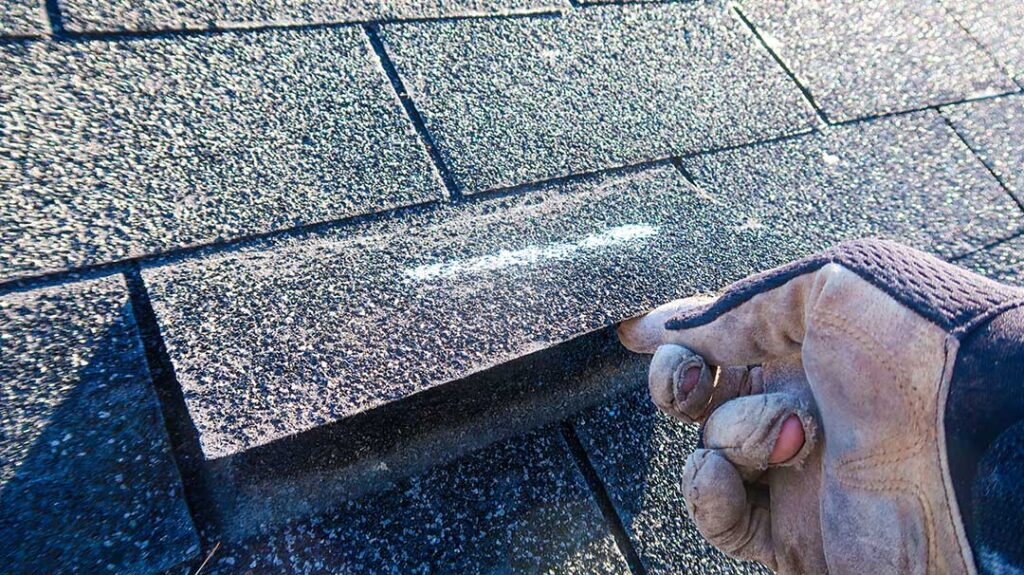
A homeowner does not need to climb onto a roof to investigate a claim. Roof surfaces can be slippery and unsafe, especially after rain, snow, or strong winds. From the ground or attic, document visible signs such as:
- Missing or displaced shingles
- Water stains on ceilings or walls
- Damp insulation or attic wood
- Bent flashing around roof openings
- Debris or branches resting on the roof
- Sagging areas
- Granules collecting in gutters or downspouts
Photographs taken before repairs can help establish what was visible. If an insurance claim may be involved, report the damage through the insurer’s official contact method and be cautious about anyone who promises guaranteed coverage or insists on controlling the claim.
A roofing inspection should distinguish between emergency protection, repairable damage, and conditions that may justify replacement. Be skeptical of claims that every roof in the neighborhood needs immediate replacement or that damage cannot be shown to the homeowner.
How should residents compare roofing proposals?
Comparing several written proposals can reveal whether a price or scope of work is unusual. The lowest price is not automatically the safest choice, and a high price is not proof of quality.
Compare the details, not just the totals:
- Number of layers to be removed
- Decking or structural repairs and how those costs will be approved
- Underlayment, flashing, ventilation, and ice-barrier work
- Shingle or roofing material specifications
- Cleanup and protection of landscaping or exterior property
- Permit and inspection responsibilities
- Start date, completion timeline, and weather delays
- Labor and material warranties
A proposal that says only “install new roof” is too vague for a major home expense. Ask questions in writing and keep the responses with the contract.
What should someone do after suspecting a roofing scam?
Stop signing new documents or making additional payments until the situation is reviewed. Preserve contracts, estimates, receipts, photographs, texts, emails, voicemails, payment records, and license or insurance information.
If payment was made electronically, contact the bank, card issuer, or payment service promptly to ask whether a transaction can be stopped or disputed. If personal information was provided, monitor financial accounts and consider appropriate fraud alerts.
New York residents can report suspected home-improvement fraud to the New York State Attorney General, the state consumer protection division, local law enforcement, or the Federal Trade Commission. If there is an immediate safety issue, such as an exposed electrical hazard, major structural damage, or water entering near electrical equipment, leave the unsafe area and seek emergency assistance.
The most reliable protection is simple: do not make a major roofing decision under pressure. Verify the identity of the contractor, require a detailed written agreement, control the payment schedule, and keep records from the first conversation through final cleanup.
