
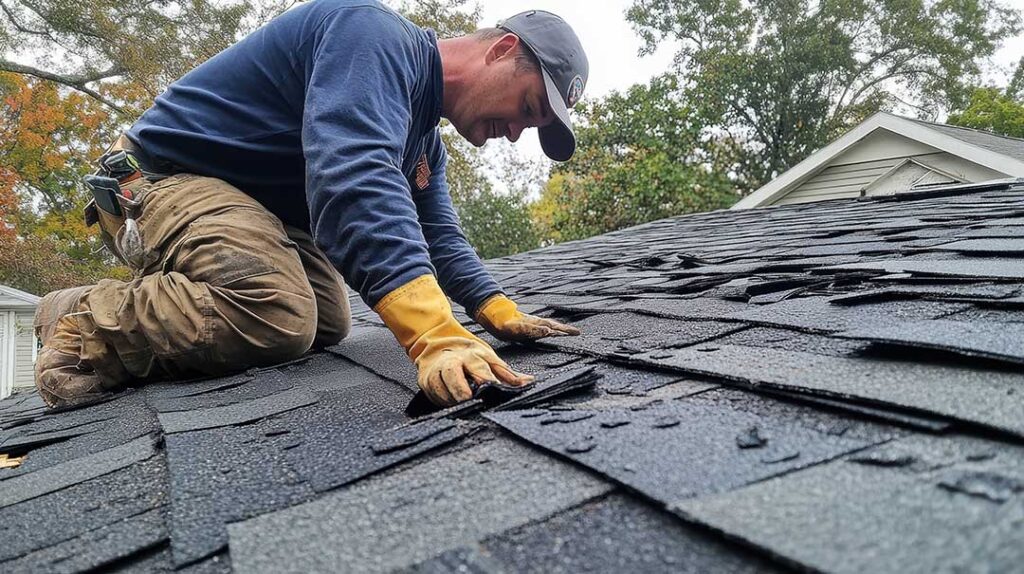
What has the biggest effect on roof life?
A roof usually lasts longer when water is moved away quickly, ventilation remains balanced, and small defects are corrected before they spread. In Greene, NY, seasonal changes make these basics especially important because roofs must handle snow, ice, wind, rain, humidity, and repeated freezing and thawing.
Roofing materials also age from sunlight, temperature swings, foot traffic, falling branches, and poor drainage. Extending roof life is less about a single treatment and more about consistent observation and maintenance.
How often should a roof be inspected?
A practical schedule is to inspect the roof at least twice a year: once in spring and again in early fall. Additional checks are useful after severe wind, heavy snow, ice buildup, or a nearby tree limb falling.
A ground-level inspection can identify many warning signs without anyone climbing onto the roof. Look for:
- Missing, cracked, curled, or visibly lifted shingles
- Dark areas that may indicate moisture or surface wear
- Sagging roof lines
- Damaged or displaced flashing around chimneys, vents, skylights, and roof edges
- Gutters that have pulled away from the fascia
- Granules collecting in gutters or at the base of downspouts
- Moss or algae growth that keeps the roof surface damp
A roof does not need to look severely damaged before it requires attention. Small openings around flashing or a few loose shingles can allow water beneath the visible surface.
Why are gutters and downspouts so important?
Clean gutters help keep roof runoff away from siding, trim, foundations, and the roof edge. Clogged gutters can cause water to back up beneath shingles or overflow against fascia boards, where it may contribute to rot.
In this area, leaves, pine needles, seed pods, and winter debris can collect quickly. Gutters should be checked in late spring, again in fall after most leaves have dropped, and after major storms.
Downspouts should discharge water far enough away from the foundation to prevent pooling. Extensions may be useful where the ground slopes toward the house or where water repeatedly collects near basement walls. The surrounding soil should also direct water away from the building rather than toward it.
A gutter system cannot compensate for a roof with poor drainage design, but keeping it clear prevents avoidable moisture problems.
How does attic ventilation extend roof life?
Balanced attic ventilation helps control heat and moisture beneath the roof deck. Intake ventilation near the lower roof edge allows air to enter, while exhaust ventilation near the ridge or upper roof area allows warm, moist air to leave.
Poor ventilation can contribute to:
- Premature shingle deterioration
- Condensation on the underside of the roof deck
- Damp insulation
- Mold or mildew growth
- Ice dams during cold weather
- Warped or weakened roof sheathing
More vents are not automatically better. Intake and exhaust openings need to work together, and insulation should not block the intended airflow path. Bathroom and kitchen exhaust fans should vent outdoors through properly sealed ducts, not into the attic.
In winter, a warm attic can melt snow on the upper roof surface. The water may then refreeze at colder eaves, forming an ice dam. Adequate insulation, air sealing, and ventilation can reduce this risk, although no system eliminates every ice-dam possibility.
What should homeowners do about snow and ice?
Snow should not be allowed to accumulate indefinitely when the roof structure, roof pitch, or weather conditions make the load a concern. Heavy, wet snow can place substantial stress on a roof, particularly when combined with older framing, previous water damage, or multiple snow events.
Removing snow from a roof can be dangerous. Walking on icy shingles may cause falls and can damage the roofing surface. If snow removal becomes necessary, it should be performed with methods that avoid striking, scraping, or cutting the shingles.
Ice dams should not be chopped apart with sharp tools or treated with corrosive materials. Those approaches can damage shingles, gutters, flashing, vegetation, and exterior surfaces. Repeated ice dams are usually a sign that heat loss, attic airflow, insulation, or roof-edge details need closer evaluation.
How can trees and yard conditions affect a roof?
Branches that touch or overhang a roof can scrape shingles in the wind, drop debris into valleys, and shade damp areas where moss grows. Dead limbs are also a risk during wind and heavy snow.
Keeping branches trimmed away from the roof reduces abrasion and improves drying after rain. Trees should be evaluated before they become a hazard, especially if they are leaning, diseased, or located close enough to fall onto the house.
Leaves and needles should not be allowed to build up in roof valleys. Valleys carry concentrated water flow, so blockages or trapped debris can increase the chance of leakage.
Should moss and algae be removed?
Moss should be addressed because it can hold moisture against shingles and may lift or loosen their edges. Algae staining is usually less damaging by itself, but heavy growth can indicate that the roof surface stays damp for long periods.
Do not pressure-wash asphalt shingles. High-pressure water can remove protective granules and shorten the roof’s service life. Scrubbing aggressively or using harsh chemicals can also cause damage.
Moss removal should focus on gentle methods and correcting the conditions that encourage growth, such as persistent shade, poor drainage, and trapped organic debris.
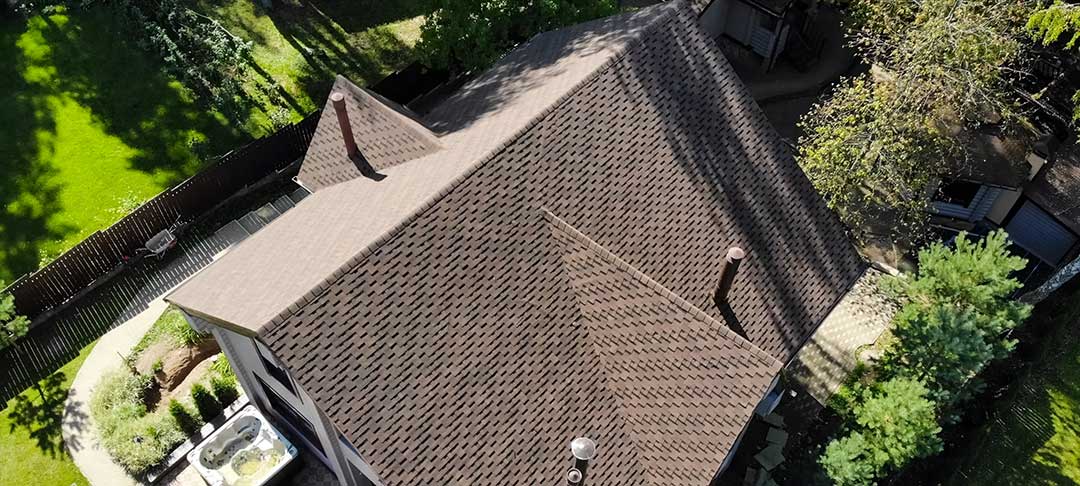
What roof repairs should not be delayed?
Some problems become much more expensive when ignored. Prompt attention is warranted for active leaks, sagging, exposed underlayment, missing shingles, damaged flashing, and water stains that grow after rain or snowmelt.
Inside the house, check ceilings, attic framing, insulation, and upper walls for:
- Brown or yellow water marks
- Damp wood
- Peeling paint
- Musty odors
- Wet insulation
- Daylight visible through the roof deck
A water stain does not always appear directly below the leak. Water can travel along rafters, sheathing, insulation, or interior framing before becoming visible. Finding the source may require examining the roof exterior and attic together.
Electrical hazards, structural sagging, steep roof surfaces, active leaks during storms, and ice-covered areas create safety risks that should not be handled casually. Roof access is particularly hazardous during winter conditions.
Can roof coatings or sealants extend a roof’s life?
Some coatings and sealants may be appropriate for specific roofing systems, but they are not universal solutions. Applying a product over damaged, wet, dirty, or poorly ventilated roofing can conceal problems rather than solve them.
Sealants around flashing and penetrations also age. Cracked or separated sealant should be evaluated, but adding new material over loose or deteriorated flashing may provide only a temporary surface repair.
The correct approach depends on the roof’s material, age, slope, drainage, ventilation, and existing condition. A coating should never be viewed as a substitute for fixing leaks, replacing failed flashing, or correcting structural and moisture problems.
What maintenance habits are most useful?
A simple record can help track changes over time. Note the dates of inspections, storms, repairs, gutter cleaning, and any areas that appear to be worsening. Photographs taken from the ground can make it easier to compare the roof from season to season.
The most useful habits are straightforward:
- Keep gutters and downspouts clear.
- Inspect after severe weather.
- Maintain attic insulation and ventilation.
- Trim hazardous or overhanging branches.
- Remove roof debris without damaging shingles.
- Watch for interior signs of moisture.
- Address small defects before winter whenever possible.
- Avoid unnecessary roof traffic.
A roof’s service life depends on its original installation, materials, building design, weather exposure, and maintenance history. Careful seasonal observation cannot stop normal aging, but it can reduce preventable damage and provide earlier warning when a roof needs more than routine upkeep.
