
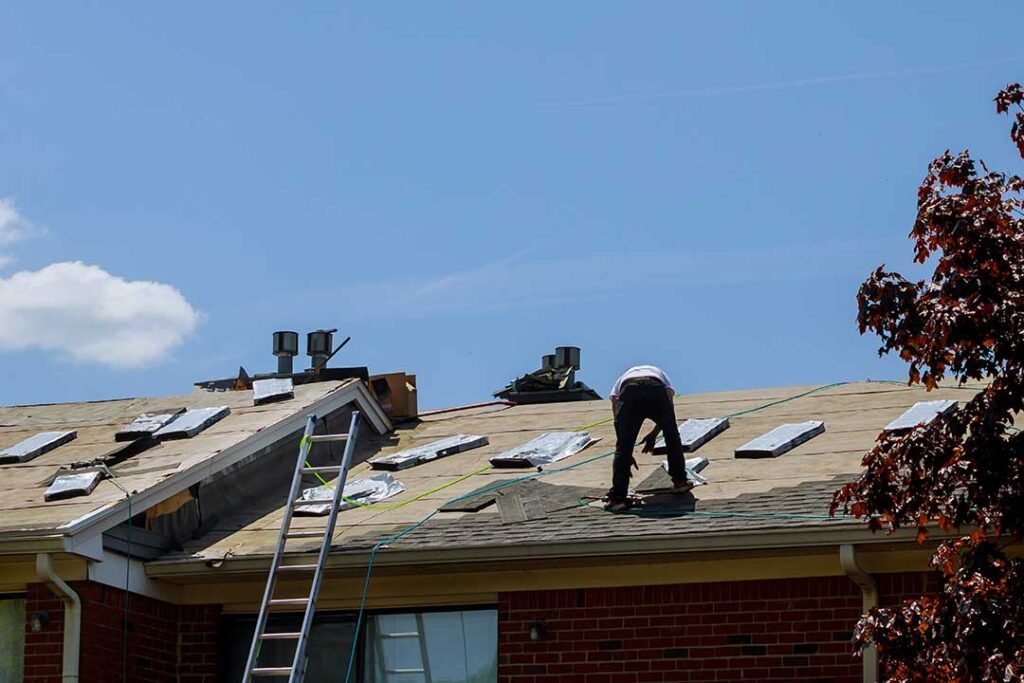
Preventive roof maintenance is the routine care that helps a roof shed water, resist weather, and protect the structure beneath it. For homeowners in Greene, NY, that care can preserve roofing materials, reduce avoidable repairs, and make future replacement decisions more predictable.
A roof rarely fails all at once. More often, small problems develop around flashing, shingles, gutters, attic ventilation, or roof penetrations. Regular inspection gives homeowners a chance to address those issues before water reaches insulation, ceilings, framing, or interior finishes.
Why does preventive roof maintenance matter over the long term?
Preventive maintenance matters because roof damage often spreads beyond the original defect. A small opening around a vent or chimney may allow repeated wetting during rain, thawing snow, or wind-driven precipitation. Over time, that moisture can damage roof decking, attic insulation, rafters, drywall, and paint.
Maintenance also helps preserve the useful life of roofing materials. Shingles, metal panels, membrane materials, and flashing all age through exposure to ultraviolet light, temperature changes, moisture, wind, and ice. Cleaning drainage paths and correcting minor defects cannot stop normal aging, but it can reduce stresses that shorten a roof’s service life.
The financial value comes from controlling the timing and scope of repairs. Replacing a damaged flashing boot or securing a few loose shingles is generally less disruptive than addressing widespread rot after a leak has continued unnoticed.
What should homeowners inspect during the year?
A roof should be checked at least twice a year when conditions are safe, along with additional checks after unusually strong wind, heavy rain, or severe winter weather. Many issues can be identified from the ground or from accessible attic areas without walking on the roof.
Useful items to look for include:
- Missing, cracked, curled, or unusually worn shingles
- Loose or bent metal flashing around chimneys, walls, skylights, and vents
- Granules collecting in gutters or at the base of downspouts
- Sagging roof lines or areas that appear uneven
- Leaves, branches, moss, or other material blocking drainage
- Water stains, damp insulation, musty odors, or daylight visible in the attic
- Peeling paint or discoloration on ceilings and upper walls
- Gutters pulling away from the roof edge or downspouts discharging too close to the foundation
A ground-level inspection is useful, but it does not reveal every condition. Roof surfaces can be slippery, brittle, steep, or structurally weakened. Walking on a questionable roof creates fall and damage risks, so hazardous areas should not be approached casually.
How do gutters and drainage affect roof life?
Gutters and downspouts are part of the roof drainage system, not separate cosmetic features. Their job is to move water away from roof edges, exterior walls, windows, doors, and foundations.
Blocked gutters can cause water to back up beneath roof-edge materials. Overflow can also wet fascia boards, soffits, siding, and foundation areas. In cold weather, trapped water may freeze and contribute to ice buildup along the eaves.
Residents should check drainage systems during spring and fall, and again after major storms if branches or debris are present. Downspouts should discharge water far enough away from the foundation to prevent pooling. Extensions, splash blocks, and properly directed outlets can help, depending on the property’s grading and drainage pattern.
Cleaning gutters does not replace roof inspection. A gutter may be clear while flashing, shingles, or roof penetrations are deteriorating.
What does winter weather do to a roof in Greene, NY?
Cold-weather conditions place repeated stress on roofing systems. Snow adds weight, while freeze-thaw cycles can expand moisture in small openings and loosen vulnerable materials. Wind can lift shingles or expose gaps around flashing. Ice dams may form when heat escaping into the attic warms the underside of the roof while snow remains frozen near the eaves.
Not every roof with snow develops an ice dam, and roof-edge ice is not automatically proof of poor construction. However, recurring ice buildup, interior staining near eaves, or water entering during thaws deserves attention.
Safe maintenance before winter includes clearing drainage paths, trimming branches that could break under snow or ice, checking attic insulation and ventilation conditions, and repairing known defects before freezing weather arrives. Snow removal from a roof should not be attempted with improvised tools or by walking on the surface. Excessive snow or visible structural sagging can create a serious hazard.
Can attic conditions shorten roof life?
Yes. Roof maintenance includes the attic because heat and moisture movement can affect the roof assembly from below.
Warm, moist indoor air can enter attic spaces through gaps around light fixtures, plumbing penetrations, access panels, and ductwork. If that air condenses on cold roof components, it can contribute to damp insulation, mold growth, wood deterioration, and fastener corrosion. Poor ventilation can make the problem worse, but adding vents alone may not correct air leakage or improper insulation.
Signs of attic-related moisture include frost on roof framing, wet insulation, rusted nails, dark staining, and persistent musty odors. Bathroom and kitchen exhaust should discharge outdoors rather than into the attic. Roof leaks should be addressed before adding insulation, because covering wet materials can hide the problem and trap moisture.
Does maintenance protect a roof warranty?
It can help, but warranty terms vary. Some roofing warranties require reasonable maintenance, documentation of repairs, or compliance with installation and product requirements. Neglect may complicate a future claim, while routine records can help establish what was observed and when.
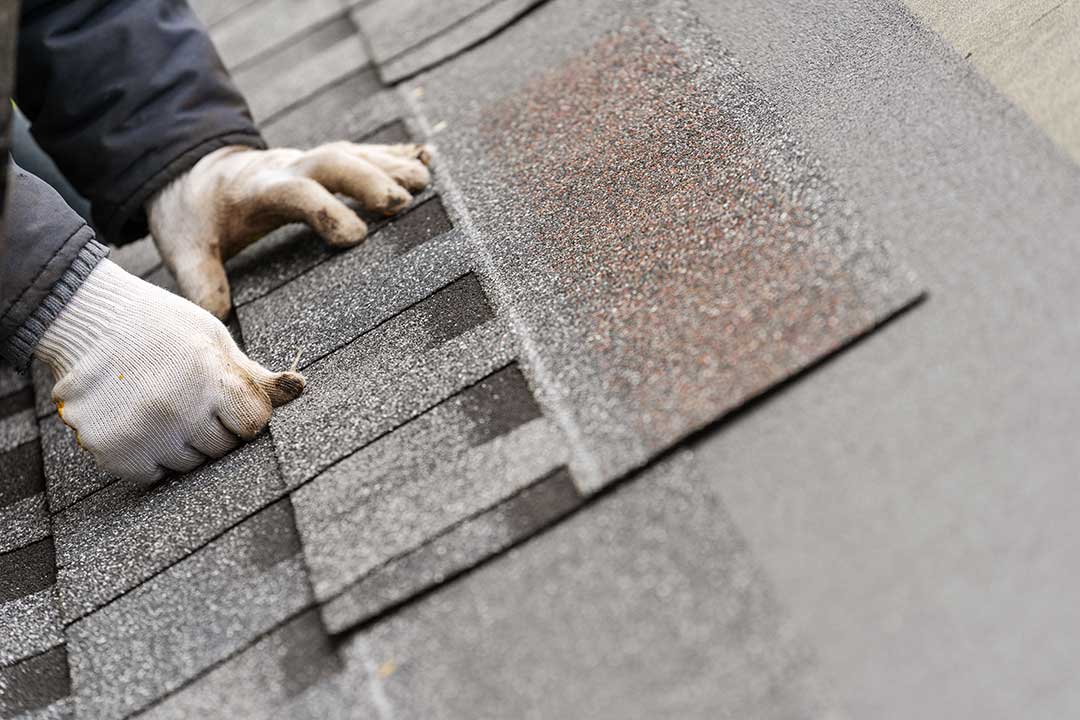
A simple maintenance file may include inspection dates, photographs, weather-related observations, receipts for materials, and notes about repairs. Records are also useful when selling a home because they show how the roof has been cared for and may help distinguish normal aging from sudden damage.
Maintenance does not guarantee that a roof will never leak or that a warranty claim will be approved. It simply creates better evidence and reduces preventable deterioration.
Which roof problems require prompt attention?
Some conditions should not wait for the next seasonal inspection:
- Active dripping or spreading ceiling stains
- Water entering around a chimney, skylight, vent, or wall intersection
- Large areas of missing or lifted roofing material
- Sagging roof sections
- Exposed roof decking or underlayment
- Damaged electrical components near a leak
- Heavy snow accompanied by structural movement, cracking, or unusual sounds
Interior stains may remain visible after the source has stopped leaking, so a dry ceiling does not always prove that the roof is sound. Conversely, a small stain can indicate a larger concealed problem.
Repairs involving steep slopes, unstable surfaces, active electrical hazards, structural damage, or difficult access may require trained and properly equipped assistance. Safety takes priority over performing an inspection personally.
What is a practical maintenance schedule?
A workable schedule is simple:
Spring: Check for winter damage, clear gutters, inspect flashing, and look for attic moisture or ceiling stains.
Summer: Watch for aging shingles, exposed fasteners, cracked sealants, damaged pipe boots, and tree limbs contacting the roof.
Fall: Remove leaves and debris from drainage paths, confirm that downspouts are open, and address known defects before snow and freezing temperatures.
After major weather: Look from the ground for missing materials, debris impact, leaning gutters, or new interior water marks.
The long-term value of this routine is not limited to avoiding one emergency leak. It preserves building materials, supports healthier attic conditions, protects interior finishes, and gives homeowners more control over a major household expense.
