
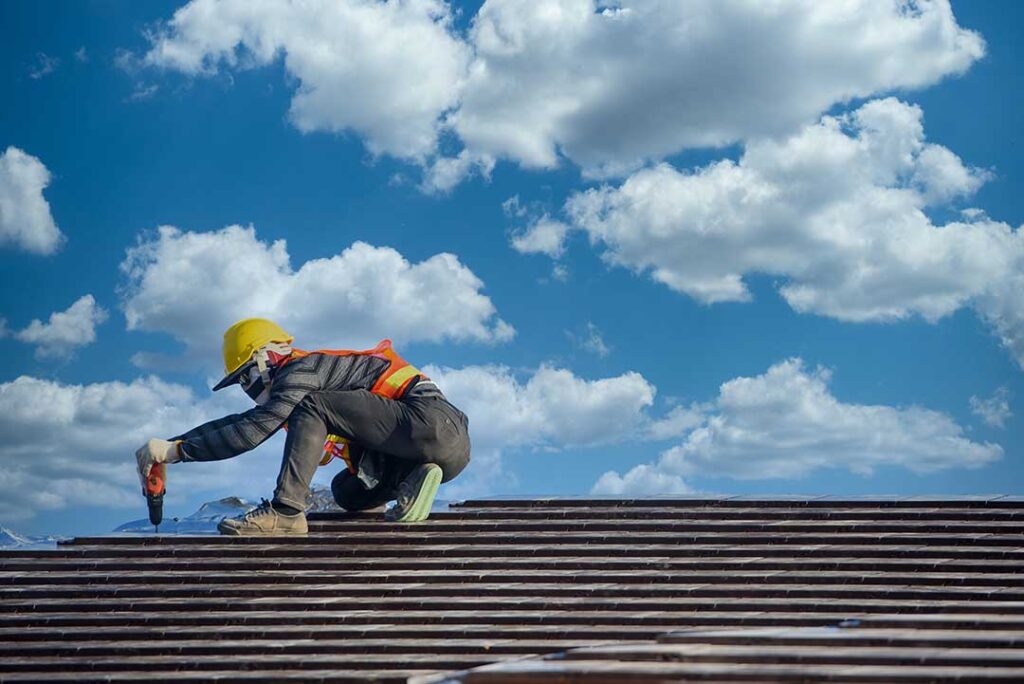
Regular roof maintenance helps identify small problems before they become leaks, structural damage, or costly interior repairs. For households in Greene, NY, seasonal changes make routine inspections especially useful because roofs must handle snow, ice, wind, rain, freeze-thaw cycles, and summer heat.
What does regular roof maintenance include?
Regular roof maintenance is a combination of inspection, cleaning, minor repairs, and observation. It does not mean replacing roofing materials on a fixed schedule. Instead, it means checking the roof system often enough to catch developing problems while they are still manageable.
Typical maintenance includes:
- Looking for damaged, loose, curled, or missing shingles
- Checking flashing around chimneys, vents, skylights, and roof edges
- Clearing leaves, twigs, and other debris from roof surfaces and valleys
- Cleaning gutters and downspouts
- Watching for moss, algae, or excessive organic growth
- Inspecting attic spaces for damp insulation, staining, mold-like growth, or daylight
- Checking whether roof drainage directs water away from walls and foundations
Some tasks can be handled from the ground or from a safely accessible area. Walking on a roof can cause damage and creates a fall risk, particularly when surfaces are wet, icy, steep, or covered with loose granules.
How does maintenance help prevent leaks?
Routine maintenance reduces the chance that water will find its way beneath roofing materials. A missing shingle, lifted flashing edge, or blocked gutter may appear minor, but repeated exposure to rain and melting snow can enlarge the affected area.
Leaks do not always appear directly below the original roof problem. Water may travel along rafters, sheathing, insulation, or interior framing before becoming visible on a ceiling or wall. By the time a brown stain appears indoors, moisture may already have affected more than the surface finish.
Early attention is particularly useful after:
- Heavy rainfall
- Strong wind
- A winter with repeated freezing and thawing
- Ice buildup near roof edges
- Falling branches or other impact
- Extended periods of snow cover
A roof does not need to be visibly collapsing to have a developing moisture problem. Small stains, damp odors, peeling paint, or recurring condensation may justify a closer inspection.
Why are gutters part of roof maintenance?
Gutters and downspouts are part of the roof drainage system. They collect runoff and guide it away from siding, windows, doors, foundations, and walkways. When gutters are clogged, water may back up beneath roof edges or overflow against the exterior walls.
In Greene, NY, autumn leaves and winter debris can make gutter maintenance especially relevant. Snow and ice can also add weight to gutters and loosen fasteners that hold them in place.
Warning signs include:
- Water spilling over the front of the gutter during rain
- Sagging or separated gutter sections
- Soil erosion below the downspout
- Water stains on exterior walls
- Damp areas near the foundation
- Ice forming repeatedly along the roof edge
Downspouts should discharge water far enough away from the foundation to prevent repeated saturation. Extensions, splash blocks, and properly sloped ground can help, although drainage problems may involve more than the gutter system alone.
Can maintenance extend the useful life of a roof?
Maintenance may help a roof reach its expected service life, but it cannot stop normal aging. Sunlight, temperature changes, wind, moisture, and mechanical damage gradually affect roofing materials.
The greatest benefit comes from correcting conditions that cause avoidable wear. For example, removing debris from a roof valley can improve drainage, while replacing damaged flashing can prevent moisture from reaching the roof deck. Keeping nearby branches trimmed can reduce scraping, falling limbs, and excessive shade that allows moisture to remain on the roof longer.
Maintenance cannot restore shingles that have lost most of their protective surface or repair sheathing that has deteriorated extensively. It can, however, provide better information about the roof’s condition and help distinguish isolated repairs from broader replacement needs.
What should homeowners check after winter?
A spring inspection can reveal problems caused by snow, ice, wind, and freeze-thaw movement. The roof should be viewed from the ground first, followed by an attic check when conditions allow.
Look for:
- Shingles on the ground or in the yard
- Uneven roof lines or sagging areas
- Exposed fasteners or lifted flashing
- Damaged vent covers
- Gutter sections pulled away from the roof edge
- Granules collecting heavily near downspouts
- Water stains or damp insulation in the attic
- Daylight entering through areas that should be sealed
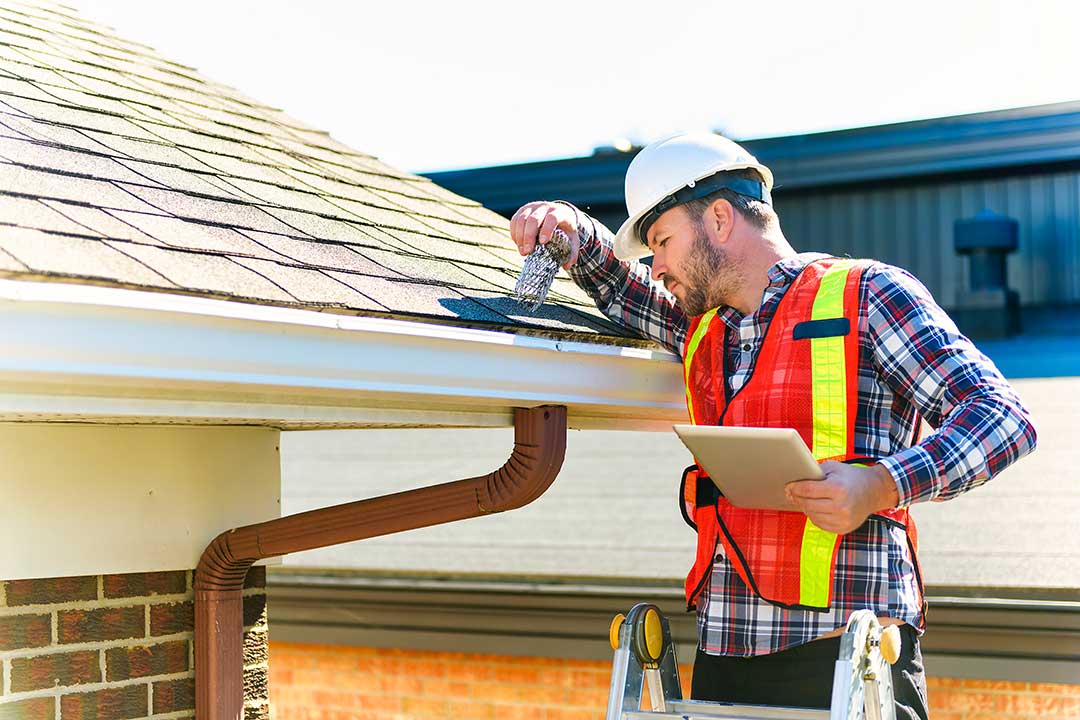
Ice dams are another concern in cold-weather regions. They form when heat escaping from the attic melts snow on warmer roof sections, allowing water to refreeze near colder eaves. Repeated ice dam formation may indicate problems with attic insulation, air sealing, ventilation, or drainage. Removing visible ice without addressing the underlying condition may only provide temporary relief.
How often should a roof be inspected?
Many homes benefit from a basic visual check twice a year, commonly in spring and fall, along with additional checks after severe weather. Older roofs, homes surrounded by mature trees, and properties with a history of leaks may need closer observation.
A maintenance schedule can include:
- Spring: Check for winter damage, drainage problems, and attic moisture.
- Summer: Look for heat-related deterioration, exposed materials, and vegetation growth.
- Fall: Remove leaves and confirm that gutters and downspouts are clear before snow.
- After storms: Look for missing materials, fallen branches, damaged vents, and unusual debris.
The age and design of the roof matter. A low-slope roof, complex roof with multiple valleys, or roof with several penetrations may require more frequent attention than a simple, steeply pitched roof.
Which roof problems should not be ignored?
Some warning signs call for prompt action because delay can increase damage or create safety concerns.
These include:
- Active dripping or visible water entry
- A ceiling that is bulging or sagging
- Large areas of missing or displaced roofing
- A roof deck that appears soft or uneven
- Extensive moss or plant growth
- Exposed underlayment or bare sections of roof
- Damaged chimney or vent flashing
- A tree limb resting on the roof
- Electrical fixtures affected by water
If water is near electrical wiring or light fixtures, avoid the affected area and address the electrical hazard first. Roof work should not be attempted during lightning, high winds, icy conditions, or other situations that make access unsafe.
Does regular maintenance prevent every roofing problem?
No. Maintenance lowers the risk of avoidable damage, but it cannot prevent every failure. Severe storms, falling trees, hidden construction defects, material aging, and unexpected movement can still cause problems.
The practical value of maintenance is earlier awareness. A homeowner who knows the roof’s normal condition is more likely to recognize a new sag, stain, loose component, or drainage change. That information can help prevent a minor issue from becoming damage to insulation, ceilings, walls, framing, or personal property.
For area households, consistent observation is usually more useful than waiting for a visible leak. A roof that is checked after seasonal changes, kept free of drainage obstructions, and monitored from the attic and ground has a better chance of remaining functional through the region’s varied weather.
