
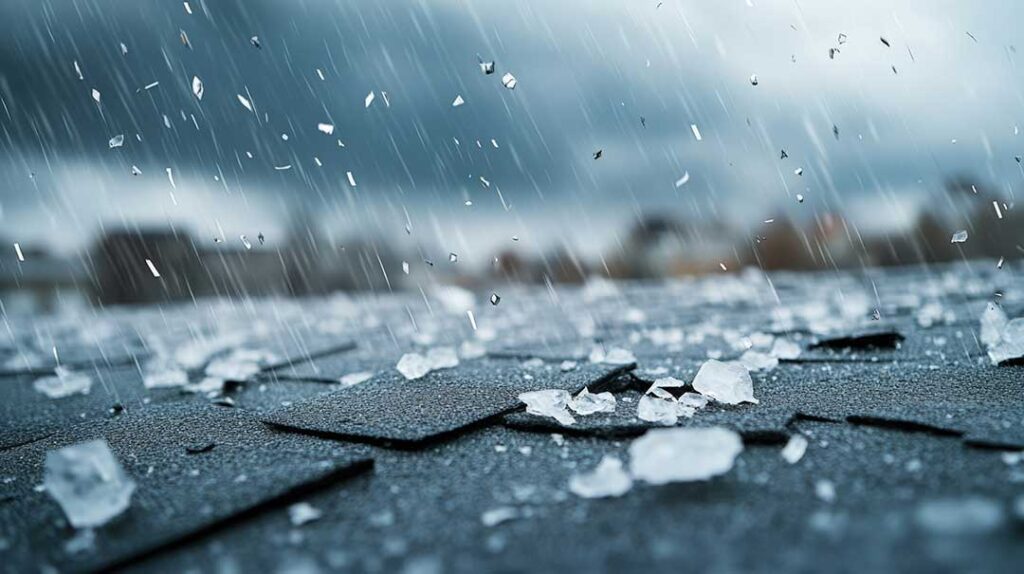
A roof emergency can develop quickly after strong wind, heavy rain, falling branches, or winter weather. The safest response is to control immediate hazards, limit additional water entry, document what happened, and avoid temporary repairs that create greater damage.
What should be done first after roof damage?
Start by protecting people inside the house, not by climbing onto the roof. If part of the ceiling is sagging, move away from that area. A sagging ceiling may contain water and could collapse under its weight.
Check for immediate dangers such as:
- Exposed electrical wiring, sparking outlets, or water near electrical equipment
- Broken glass, fallen branches, or loose roofing materials
- Structural movement, unusual cracking, or a strong smell of gas
- Water entering near light fixtures, appliances, or electrical panels
If any of these conditions are present, leave the affected area and use the appropriate emergency utility or public safety channel. Do not touch wet electrical components or attempt to turn off power while standing in water.
In Greene, storm conditions can shift rapidly, and wet surfaces may freeze during colder weather. Wind, ice, and darkness can make a roof unsafe even when the damage appears minor from the ground.
How can a roof leak be controlled from inside?
Place containers under active drips and move furniture, electronics, rugs, and other belongings away from the water. If water is collecting in a ceiling bulge and the area is safely accessible, a small opening made from a dry location may allow water to drain in a controlled way. This should not be attempted if electrical wiring, structural instability, or significant ceiling damage is suspected.
Use plastic sheeting to protect belongings, but do not press upward against a weakened ceiling. A temporary covering can add weight and cause the ceiling surface to fail.
Photograph or record:
- The damaged roof area, if visible from the ground
- Interior stains, dripping water, and ceiling damage
- Broken shingles, fallen limbs, or displaced flashing
- Personal property affected by water
- The date and approximate time the damage occurred
Documentation is useful for organizing repairs and handling insurance questions. Keep damaged materials if they can be stored safely, but do not preserve items that create a health or safety hazard.
Is it safe to inspect or tarp the roof yourself?
Usually, a roof should not be entered during an emergency unless the person has the right training, equipment, and conditions. A wet, icy, steep, or wind-exposed roof presents a serious fall hazard. Damage may also weaken roof decking, rafters, attic flooring, or the edge around a roof opening.
Do not climb onto the roof during:
- Rain, snow, sleet, or strong wind
- Lightning or nearby severe weather
- Darkness or poor visibility
- Icy conditions
- Active power-line hazards
- Situations involving unstable roofing, skylights, or structural damage
Ladders also require caution. They should rest on stable, level ground, be secured against movement, and provide a safe transition at the upper landing. Never place a ladder on snow, ice, loose soil, boxes, or other unstable surfaces. Keep at least three points of contact while climbing, and avoid carrying bulky materials by hand.
A roof tarp is a temporary weather barrier, not a complete repair. Improperly installed tarps can tear loose, collect water, damage shingles, or create a fall hazard. If the roof cannot be accessed safely, interior water control and ground-level protection are safer priorities.
What temporary steps can reduce further water damage?
If the roof cannot be safely covered immediately, focus on reducing interior damage:
1. Place containers beneath leaks and check them frequently.
2. Use towels or absorbent materials to keep water from spreading across floors.
3. Raise furniture and belongings on blocks or move them to a dry area.
4. Open cabinets and interior doors carefully to improve airflow.
5. Use fans or a dehumidifier only where electrical conditions are safe.
6. Remove standing water promptly when it can be done without approaching electrical hazards.
Do not seal a damp ceiling or wall with paint. Trapped moisture can contribute to mold growth, staining, wood deterioration, and insulation damage. Wet insulation may need to be removed, especially if it remains damp for more than a short period.
If water entered the attic, avoid stepping between ceiling joists. The visible attic floor may actually be the back of the ceiling and may not support a person’s weight.
Which roof problems require urgent attention?
Some damage is more time-sensitive than others. Active water entry, a large opening, or a roof section lifted by wind should be treated as urgent because continued exposure can damage insulation, framing, ceilings, walls, and flooring.
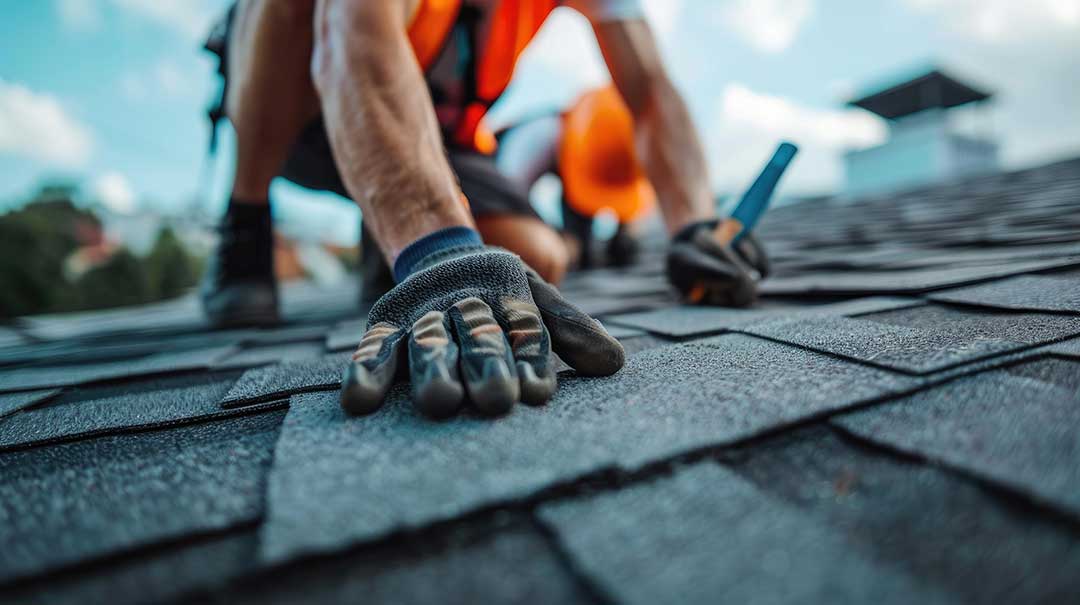
Urgent conditions include:
- A tree or large branch resting on the roof
- Missing shingles over a large area
- Torn or detached flashing around chimneys, vents, or roof edges
- A hole caused by a branch or falling object
- Water entering multiple rooms
- A visibly sagging roof or ceiling
- A displaced chimney, vent, or roof-mounted equipment
- Damage near electrical wiring or the service entrance
A few missing shingles may not cause immediate interior leakage, but exposed underlayment can deteriorate quickly under repeated rain, snow, and sunlight. Temporary protection is still useful until permanent repairs can be completed.
Should damaged shingles be replaced during bad weather?
Roof repairs should generally wait until conditions are dry, stable, and safe. Shingles can be difficult to handle in cold weather, and roofing materials may not seal properly when temperatures are low. Walking on brittle, wet, or frost-covered shingles can cause additional breakage.
During winter in the region, snow and ice can conceal roof edges, valleys, vents, and damaged areas. Removing snow from a roof without the proper equipment can damage shingles or gutters and may place the person below at risk from falling ice.
Do not use a pressure washer, open flame, or improvised heat source to dry the roof. These methods can damage roofing materials or create fire hazards.
How should homeowners prepare before the next emergency?
A small amount of preparation can make roof damage easier to manage. Store a flashlight, work gloves, plastic sheeting, buckets, towels, and basic cleaning supplies where they can be reached without entering a damaged area. Keep gutters, downspouts, and roof drainage paths clear when weather conditions allow.
It also helps to know:
- The approximate age and material of the roof
- Where the attic access is located
- The location of the main electrical panel and water shutoff
- Which rooms have ceiling fixtures beneath roof penetrations
- Whether trees near the house have dead limbs or overhanging branches
After a storm, inspect the roof from the ground using binoculars if available. Look for missing shingles, uneven roof lines, detached gutters, exposed underlayment, and debris. Ground-level observations are safer than climbing up to investigate.
Emergency roof repairs are primarily about preventing injury and limiting secondary damage. A controlled response—safe evacuation from hazardous areas, careful water management, thorough documentation, and patience during unsafe weather—usually protects the home better than a rushed climb onto the roof.
