
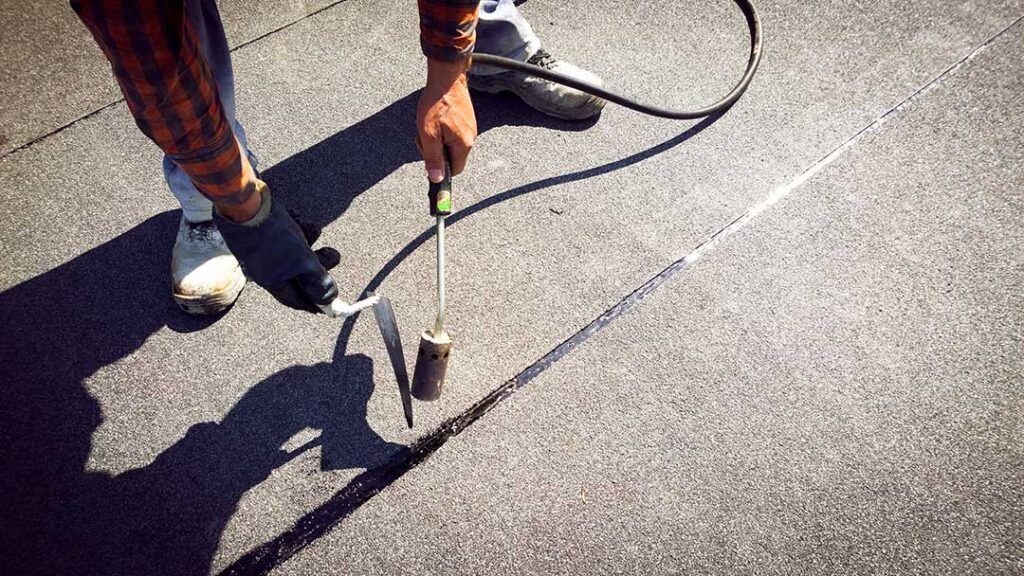
Why does preventive roof maintenance have long-term value?
Preventive roof maintenance helps a roof shed water, resist seasonal stress, and remain serviceable for more years. Its greatest value is not preventing every possible problem; it is identifying small defects before they develop into wet insulation, damaged framing, interior staining, or an early roof replacement.
For homeowners in Greene, NY, maintenance matters because roofs must handle repeated cycles of rain, wind, snow, ice, freezing temperatures, and thawing. These conditions can gradually affect shingles, flashing, sealants, gutters, attic ventilation, and roof edges even when no leak is visible inside the home.
A roof is a system rather than just a surface. The roof covering, underlayment, flashing, drainage components, attic insulation, and ventilation all influence how well the structure performs.
What problems can routine roof maintenance detect early?
Routine inspections can reveal conditions that are easy to overlook from the ground. Common examples include:
- Missing, cracked, curled, or loose shingles
- Exposed or deteriorated flashing around chimneys, vents, skylights, and roof transitions
- Small areas where shingles have lost protective granules
- Sagging gutters or disconnected downspouts
- Moss, leaves, branches, or other debris holding moisture against the roof
- Soft areas in the roof deck
- Staining or damp insulation in the attic
- Damaged pipe boots and failed sealants
- Ice-dam evidence along eaves
- Tree limbs or branches rubbing against the roof covering
A minor flashing gap may allow only a small amount of water into the roof assembly during a storm. Over time, repeated wetting can damage wood, reduce insulation performance, and create conditions favorable to mold growth. Finding the opening early is usually less disruptive than addressing the interior consequences later.
How does maintenance extend a roof’s useful life?
Maintenance extends roof life by reducing the amount of time that water, ice, debris, and wind have access to vulnerable materials. Water that drains freely is less likely to remain beneath shingles or against fascia boards. Secure flashing is better able to direct runoff away from seams and penetrations.
Cleaning gutters and downspouts is particularly important. Blocked drainage can cause water to back up beneath roof edges, overflow against siding, or collect near the foundation. In cold weather, trapped water may freeze and contribute to ice buildup. New York property maintenance requirements also recognize the need for sound roofs and unobstructed drainage.
Maintenance does not make an aging roof new again. Shingles eventually become brittle, flashing may reach the end of its service life, and underlying materials can lose strength. The benefit is that deterioration becomes easier to track, allowing repairs or replacement planning to happen before an emergency.
What seasonal roof concerns are common in Greene, NY?
Seasonal preparation should reflect the conditions a roof actually experiences. In the local climate, the most relevant concerns often include water management, wind exposure, snow accumulation, and freeze-thaw cycles.
Before winter
Inspect the roof and attic before regular snow and ice arrive. Look for damaged shingles, open flashing seams, blocked gutters, and areas where warm air may be escaping into the attic. Adequate insulation and balanced ventilation help keep the roof deck colder and reduce uneven snow melting.
A roof that is warm in some areas and cold in others may develop melting and refreezing patterns. This can contribute to ice dams along the eaves. Ice dams can force meltwater under roof coverings and into attic or wall assemblies.
After heavy snow or ice
Snow and ice add weight to the roof structure. Heavy or uneven accumulation deserves attention, especially when drifting occurs around higher roof sections, valleys, dormers, or changes in roof height.
Homeowners should avoid climbing onto an icy roof or using sharp tools that can damage shingles. Snow removal from the ground may be appropriate for some low-slope or accessible areas, but unsafe conditions and significant accumulation may require specialized equipment and judgment.
After strong wind
Wind can lift shingle edges, loosen flashing, move chimney caps, and break nearby branches. Damage is not always visible from the yard. A post-storm check is useful when there are signs such as new attic moisture, loose roofing material, or debris around the property.
During spring and fall
These seasons are practical times to clear organic debris and check drainage. Leaves can collect in valleys and gutters, while spring moisture may reveal damage that was hidden beneath snow or ice.
How often should a roof be inspected?
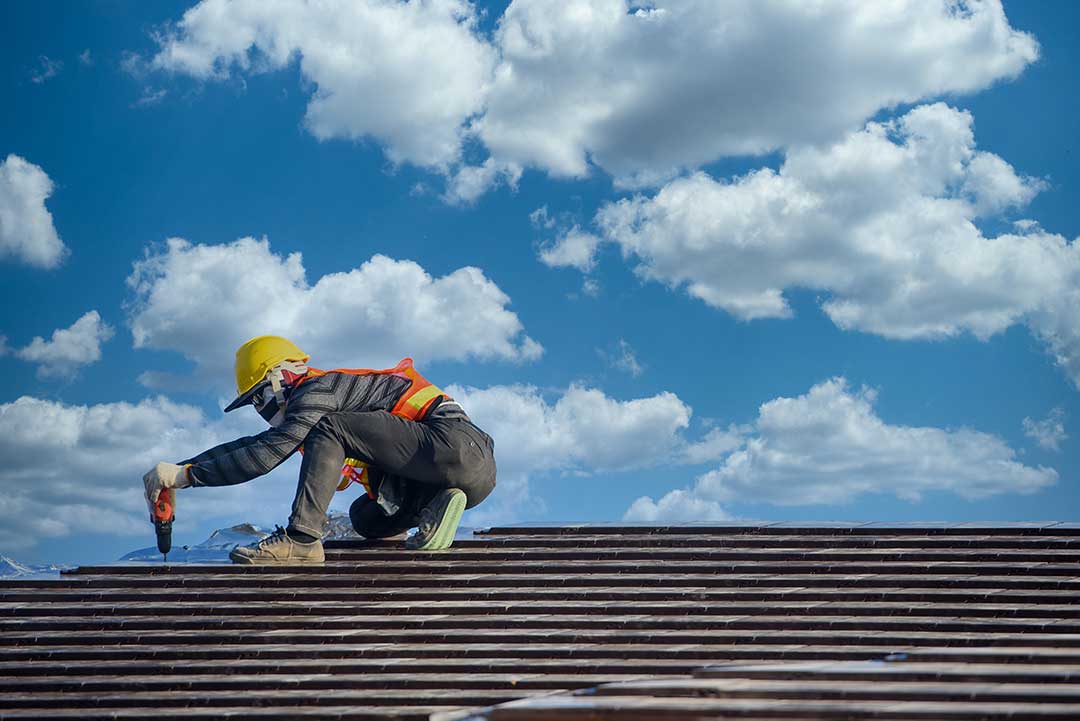
A practical schedule is to check the roof and drainage system at least twice a year, commonly in spring and fall, and again after unusually strong wind, hail, heavy snow, or prolonged rain.
The inspection does not always require walking on the roof. From the ground, homeowners can look for uneven roof lines, missing shingles, visible flashing damage, sagging gutters, and dark moisture stains. Inside the attic, check for daylight through the roof deck, damp insulation, water marks, musty odors, or wood discoloration.
Roof surfaces become more hazardous as pitch, height, moss, moisture, and ice increase. A qualified inspection is appropriate when the roof is steep, difficult to access, structurally questionable, or visibly damaged. Safety should take priority over a routine check.
Does preventive maintenance save money?
Preventive maintenance can reduce the cost and disruption associated with larger repairs, although it cannot guarantee a particular financial return. The main savings come from limiting secondary damage.
A small roof defect may lead to:
- Wet insulation and higher heating or cooling demand
- Rot in roof decking, rafters, fascia, or soffits
- Damaged ceilings, drywall, paint, or flooring
- Mold-related cleaning and restoration
- Water damage to stored belongings
- Emergency repairs during severe weather
- Shortened service life for the entire roof assembly
Maintenance also improves budgeting. Knowing that a roof has several years of remaining service life is different from discovering a major leak during the first snowstorm. A written record of inspection dates, observed conditions, repairs, and photographs can help track changes over time.
Which maintenance tasks can homeowners handle?
Many low-risk tasks are manageable from the ground or from a stable ladder used according to safety guidance. These include checking downspout discharge, removing reachable debris, trimming branches that contact the roof, inspecting attic areas, and watching for interior stains.
Some conditions should not be treated as do-it-yourself projects. Roof walking, work near electrical lines, repairs on steep surfaces, structural concerns, widespread storm damage, and snow or ice removal from unsafe areas present fall and injury risks.
Homeowners should also avoid applying coatings, sealants, or patch materials without understanding the roof assembly. An incorrect repair can trap moisture, hide damage, interfere with drainage, or make future evaluation more difficult.
What is the most overlooked part of roof maintenance?
Attic conditions are frequently overlooked because the attic is out of sight. Yet excessive moisture, poor insulation, blocked ventilation, and air leaks can affect the roof from underneath.
Signs of an attic-related problem include frost on roof sheathing in winter, damp insulation, peeling paint near the ceiling, musty odors, and recurring ice buildup at the eaves. Bathroom and kitchen exhaust should discharge outdoors rather than into the attic. Air sealing and ventilation improvements should be approached as a coordinated system rather than isolated changes.
The long-term value of preventive maintenance comes from keeping the entire roof assembly working together: covering, flashing, drainage, structure, insulation, and ventilation. Regular observation, timely correction of small defects, and careful attention to seasonal hazards can help a roof remain dependable while giving homeowners more time to plan for major work.
