
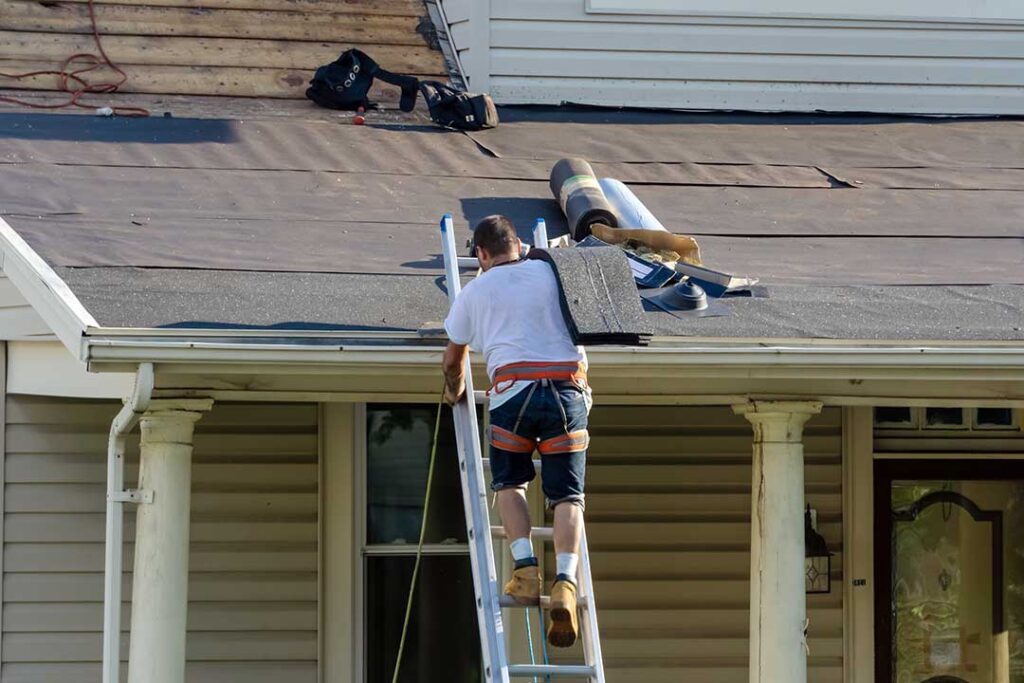
Why do building codes matter for a roof?
In Greene, NY, building codes establish minimum requirements for roof construction, replacement, repair, structural safety, weather protection, and fire resistance. These rules are not simply administrative hurdles. They are intended to help a roof withstand the loads and conditions it is likely to face over its service life.
A roof must do more than keep rain out. It also transfers snow, wind, and the weight of roofing materials to the walls and foundation. If the roof system is altered without considering those forces, problems may develop even when the finished surface looks neat.
Building codes also create a common safety standard for homes, additions, garages, porches, and other structures. They help ensure that important details—such as flashing, underlayment, ventilation, fastening, and structural support—are not overlooked.
Which roof rules apply in Greene?
Most roof work is governed primarily by the New York State Uniform Fire Prevention and Building Code, along with the state residential or building code that applies to the structure. Local government is responsible for administering and enforcing those requirements within its jurisdiction.
New York’s 2025 Uniform Code and Energy Code became fully effective on December 31, 2025. Projects submitted after that date generally must follow the current code requirements, although the applicable rules can depend on the type of building, the work involved, and the date a permit application was submitted.
Local regulations may also affect the process. These can include permit procedures, inspections, zoning restrictions, construction-hour rules, and requirements for work near property lines or in specific districts. State code sets the baseline, but the local code office determines how those requirements are administered for a particular property.
Does replacing a roof require a permit?
A roof replacement may require a building permit, especially when the work involves structural repairs, changes to the roof shape, multiple layers of roofing, alterations to roof framing, or other work regulated by the Uniform Code.
A straightforward replacement of roof covering is not automatically treated the same as a structural roof alteration. Permit requirements can vary according to the scope of work and the local enforcement process. Homeowners should verify the requirement before materials are removed, rather than assuming that every reroofing project is exempt.
A permit, when required, helps establish:
- What work is being performed
- Which code edition applies
- Whether plans or supporting documents are needed
- When inspections must occur
- Whether the completed work can be documented properly
Skipping a required permit can create problems later, particularly during a property sale, insurance review, addition, or inspection after storm damage.
How do local weather conditions affect roof requirements?
Seasonal conditions in Greene place practical demands on roofing systems. Winter snow, ice formation, freeze-thaw cycles, spring rain, summer heat, and wind-driven precipitation can all expose weaknesses in installation or design.
Snow is especially important because its weight is transferred through the roof framing. The applicable code uses design loads rather than relying on a general assumption that all roofs can carry the same amount of snow. Roof shape, slope, exposure, drifting, and nearby higher roof sections can affect how snow accumulates.
Ice and water protection also deserve attention. Valleys, eaves, roof-to-wall intersections, penetrations, and areas around chimneys or skylights are common locations for leaks. Proper underlayment and flashing help reduce the chance that melting snow or wind-driven rain will enter the roof assembly.
Code compliance does not guarantee that a roof will never leak or require maintenance. It does mean that the work is expected to meet a defined minimum standard for the conditions addressed by the code.
Why does roof slope matter?
Roof slope affects drainage, material selection, underlayment, and installation methods. A roofing product that is suitable for a steeply pitched roof may not be permitted or reliable on a low-slope section.
Low-slope areas can hold water longer, making drainage and approved installation details particularly important. Improperly installed materials may allow water to move beneath laps, around penetrations, or into concealed areas of the roof.
The code and manufacturer installation instructions work together. Even when a material is commonly used in the area, it still must be installed according to the approved method for the specific roof slope and assembly.
Can a new roof be installed over the old one?
Sometimes, but not in every situation. Roof covering may be allowed over an existing layer when the existing roof is sound, dry, properly supported, and otherwise suitable as a base.
A roof recover is generally not appropriate when:
- The existing roof is water-soaked or deteriorated
- The roof already has two or more layers
- The existing material is slate, clay tile, cement tile, or asbestos-cement tile
- The roof structure cannot support the added materials and installation loads
- Concealed damage prevents a reliable installation
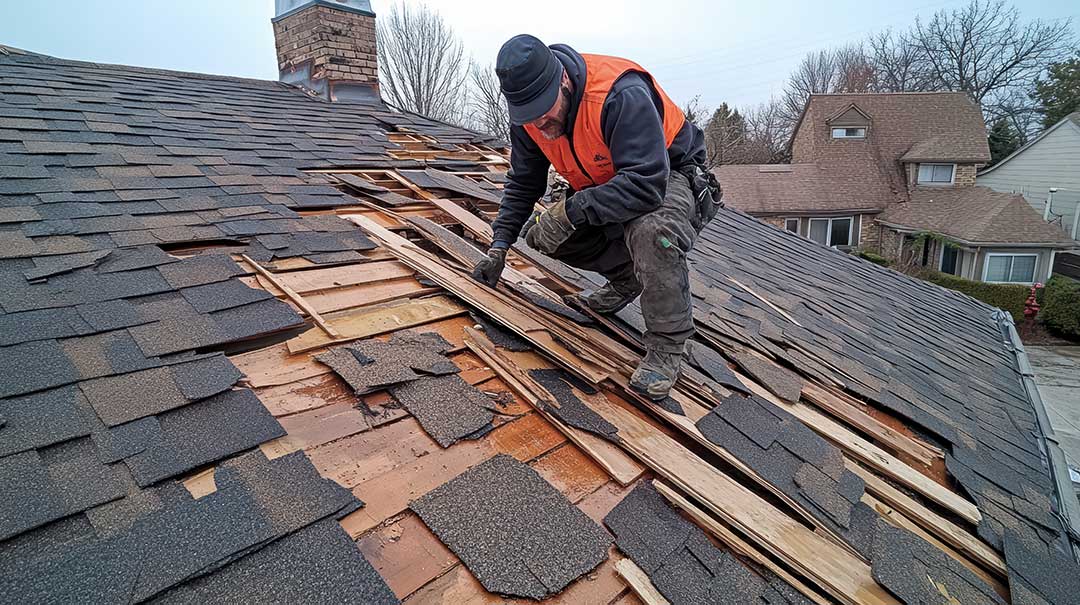
Adding another layer also increases weight and can hide damaged sheathing, wet insulation, inadequate flashing, or deteriorated framing. A finished surface may appear acceptable while the underlying roof remains unsafe or unable to support the new assembly.
What structural issues can code inspections identify?
Roof work can reveal problems that are not visible from the ground. Examples include sagging rafters, damaged trusses, undersized framing, split decking, poor connections, and water-related decay.
Truss members should not be cut, drilled, notched, or altered casually. Changes to engineered roof components can affect the entire structural system and may require review by a qualified design professional.
The current code also addresses reroofing loads. Roof framing must be capable of supporting not only the finished roof covering but also the materials, workers, and equipment used during installation. This is one reason a roof replacement should not be viewed as only a surface-level project.
What happens if roof work does not meet code?
The local code enforcement authority may require corrections, additional inspections, or documentation showing that the work complies. Work performed without a required permit may also be subject to enforcement action, including a stop-work order.
For a homeowner, the practical consequences may include delayed completion, added repair costs, difficulty documenting improvements, or complications when transferring ownership. A code issue can also become more serious if defective work contributes to water damage, structural deterioration, or unsafe conditions.
The property maintenance provisions of New York’s code also require roofs and roof components to remain in good repair. Defects that admit rain, inadequate drainage, deteriorated framing, or poor anchorage may be treated as potentially unsafe conditions.
What should a homeowner verify before roof work begins?
Before work starts, it is useful to confirm:
- Whether a permit is required for the planned scope
- Which code edition applies to the project
- Whether the roof has existing layers or concealed damage
- Whether structural repairs are included
- How snow, wind, drainage, and ice protection will be addressed
- What inspections are required and when they must occur
- Whether the final permit record will document the completed work
Questions about permits, inspections, zoning, or local procedures should be directed to the municipal code enforcement office. Questions about structural changes—especially alterations to trusses, rafters, beams, or load-bearing walls—may require review by a New York-licensed design professional.
Understanding the code before roofing materials are removed helps protect the building, clarifies responsibilities, and reduces the chance that a seemingly simple roof project will become a larger construction problem.
