
Understanding cool roof ratings can make roofing decisions easier, especially when comparing colors, materials, coatings, and long-term performance. The ratings describe how a roof handles sunlight and heat; they do not measure every part of roof quality.
For households in Greene, NY, cool roof performance may be most noticeable during sunny summer weather, when roof surfaces can become much hotter than the surrounding air. A roof’s rating can help explain how much solar energy it reflects and how efficiently it releases the heat it absorbs.
What is a cool roof?
A cool roof is designed to stay cooler in sunlight than a roof that absorbs a large amount of solar energy. It may use a reflective surface, a specialized coating, a lighter color, or a material engineered to release heat efficiently.
A cool roof can reduce the amount of heat transferred through the roof assembly into the attic and living space. The effect is usually more noticeable in buildings with air conditioning, low-slope roofs, limited attic insulation, or rooms directly beneath the roof.
“Cool” does not mean the roof stays cold. It means the surface generally becomes less hot under similar weather conditions than a less reflective roof.
Which numbers appear on a cool roof rating?
The two primary measurements are solar reflectance and thermal emittance. Both are usually expressed as decimal values between 0 and 1.
Solar reflectance
Solar reflectance describes the fraction of sunlight a roof surface sends away rather than absorbs.
- A value of 0.20 means the surface reflects about 20 percent of incoming solar energy.
- A value of 0.70 means it reflects about 70 percent.
- A higher value generally indicates a more reflective surface.
Color often affects reflectance, but color alone is not a complete performance test. Some modern roofing materials use pigments and surface technologies that provide stronger solar reflectance without appearing bright white.
Thermal emittance
Thermal emittance describes how effectively a surface releases absorbed heat as infrared radiation.
- A high-emittance roof can shed heat more readily.
- A low-emittance roof may retain more of the heat it absorbs.
- Emittance is not determined by color alone.
This explains why two roofs with similar reflectance can perform differently. A surface that reflects a moderate amount of sunlight but releases heat efficiently may remain cooler than a highly reflective surface with poor thermal emittance.
What does SRI mean?
Solar Reflectance Index, or SRI, combines solar reflectance and thermal emittance into one calculated value. A higher SRI generally indicates that a surface stays cooler in sunlight.
SRI is useful for comparing products, but it is not a direct temperature measurement. It is calculated from reflectance and emittance under specified conditions. A typical reference scale places a clean black surface near 0 and a clean white surface near 100, although actual values can fall below 0 or above 100.
A product with a higher SRI is not automatically the right choice for every roof. The calculation does not fully describe insulation, ventilation, moisture control, durability, snow performance, or installation quality.
What is a CRRC rating?
The Cool Roof Rating Council, commonly abbreviated as CRRC, provides a product-rating system based on measured solar reflectance and thermal emittance. A rated product may show initial values and, where available, aged solar reflectance values.
A CRRC listing is useful because it provides tested performance information rather than relying only on a color name or a general statement such as “energy efficient.” Product ratings can vary by material, color, surface finish, and coating.
A rating does not mean that the product is suitable for every building. It only reports specific radiative properties under the rating program. The roof still needs to be appropriate for its slope, drainage design, underlayment, weather exposure, and structural conditions.
Do cool roof ratings apply equally to every roof?
No. Roof slope and roof construction affect both performance and applicable requirements.
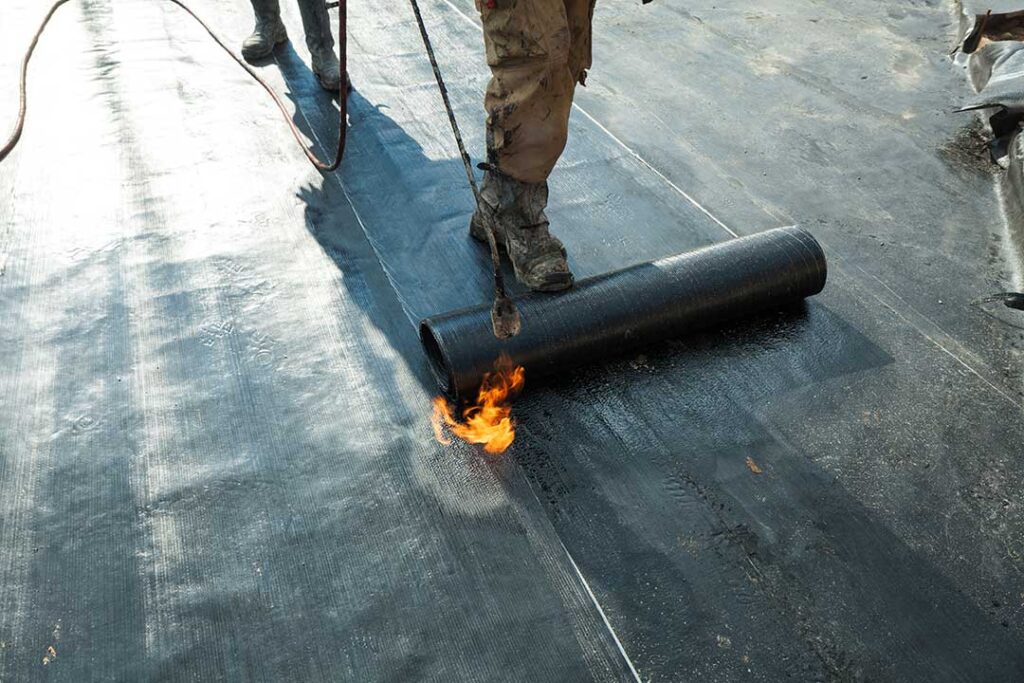
Low-slope roofs often use membrane systems or coatings with large, relatively continuous surfaces. Steep-slope roofs may use shingles, metal panels, tiles, or other products with different reflectance characteristics.
A rating for a low-slope membrane should not be compared casually with a rating for an individual steep-slope shingle. The products serve different roof assemblies and may be tested or evaluated under different criteria.
In a community with cold winters, roof selection also needs to account for conditions beyond summer heat. Snow, freeze-thaw cycles, wind, ice formation, attic ventilation, and moisture movement can affect the roof system. A cool roof rating does not predict how well a roof will manage those issues.
Do cool roofs save energy in Greene, NY?
They can reduce heat gain during warm, sunny periods, but the amount of savings depends on the whole building.
Factors that influence results include:
- Attic insulation levels
- Attic ventilation and air sealing
- Roof color and exposure
- Roof slope and material
- Amount of conditioned space directly below the roof
- Window orientation and shading
- Use of air conditioning
- Local weather patterns and seasonal temperatures
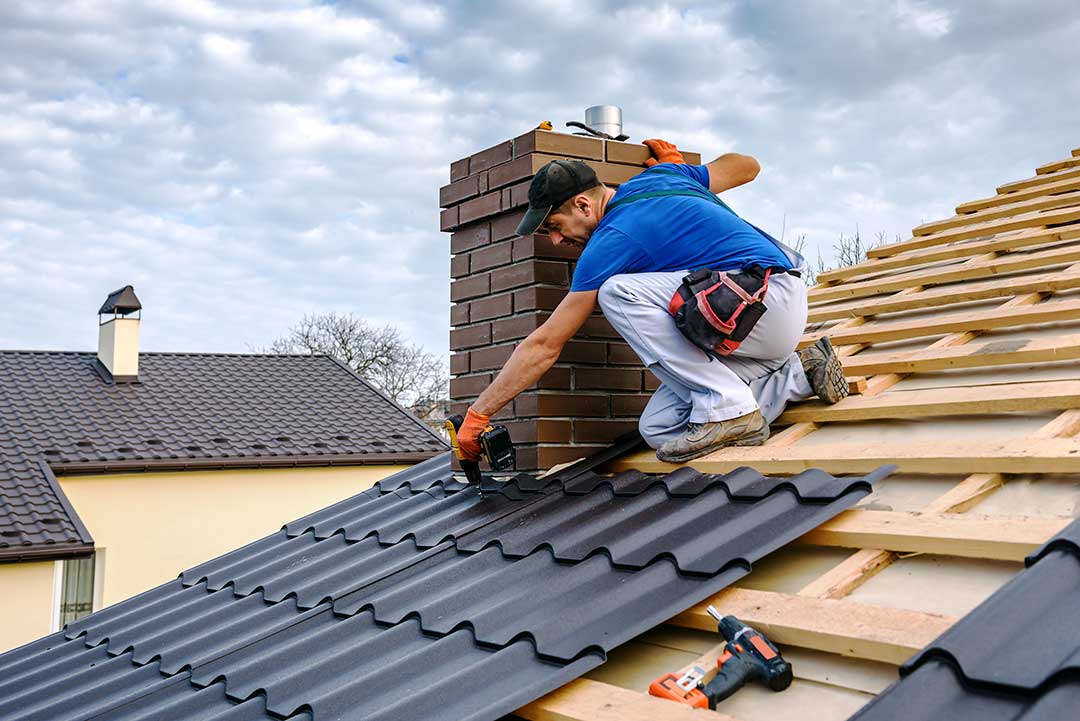
In a home with well-insulated attic space and modest air-conditioning use, the energy benefit may be limited. In a building with a poorly insulated attic or a large roof exposed to afternoon sun, the difference may be more noticeable.
A cool roof does not replace insulation. Insulation slows heat transfer, while a reflective and emissive surface reduces the amount of heat available to transfer in the first place. These measures address different parts of the building envelope.
Does a dark roof always perform poorly?
No. Dark roofs generally absorb more sunlight than light-colored roofs, but color is not a complete indicator of performance. Specialized pigments can improve the solar reflectance of some darker products.
The product’s tested reflectance and emittance values provide more useful information than the color description alone. “Gray,” “brown,” or “charcoal” can describe products with different performance levels from different manufacturers or product lines.
It is also worth distinguishing between a new rating and an aged rating. Dirt, weathering, biological growth, and surface changes can alter reflectance over time. A product that performs well when new may have a different long-term rating after exposure.
Does a cool roof last longer?
A cool roof rating does not guarantee longer service life. Durability depends on the material, installation, drainage, exposure, maintenance, foot traffic, snow and ice conditions, and compatibility with the roof assembly.
Some coatings require proper surface preparation and periodic maintenance. Reflective materials can also become less reflective if they accumulate dirt or debris. A roof with a high initial rating may not provide its expected performance if water remains on the surface or the underlying system has ventilation and moisture problems.
Roof condition should be evaluated separately from thermal performance. A high rating cannot correct leaks, damaged flashing, inadequate slope, or deteriorated decking.
How should homeowners compare rating information?
Start with the actual product data rather than relying on color names or broad advertising language. Look for:
- Solar reflectance
- Thermal emittance
- SRI, if provided
- Initial and aged performance values
- The roof slope or application for which the product is intended
- Maintenance or cleaning requirements
- Compatibility with the existing roof assembly
The former ENERGY STAR roof-product qualification program should not be confused with current product-rating information; that roof-product specification was sunset in 2022. Current comparisons may rely on CRRC ratings, building-code requirements, project specifications, or other applicable evaluation systems.
For area households, the most useful approach is to consider cool roof ratings alongside insulation, attic ventilation, drainage, winter weather exposure, and the expected service life of the entire roof system. A rating can clarify how a surface handles sunlight, but it is only one part of making a sound roofing decision.
