
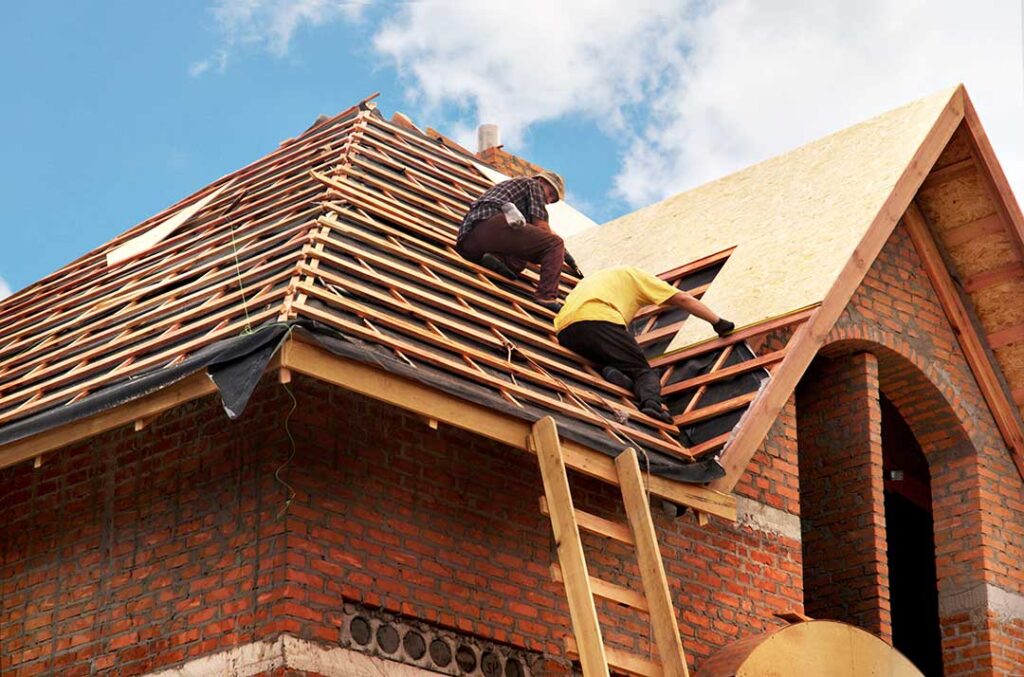
What counts as roofing technology today?
Roofing technology now includes more than the visible roof covering. It also involves underlayments, ventilation, insulation, moisture monitoring, energy performance, installation methods, and materials designed for longer service life.
For homes in Greene, NY, useful innovations are those that address snow, ice, wind, freeze-thaw cycles, summer heat, heavy rain, and the age of many local housing structures. A modern roof should be considered as a complete system rather than a layer of shingles placed over roof decking.
Which roofing materials are changing most?
Asphalt shingles remain common, but their design has improved. Many current shingles use stronger fiberglass reinforcement, better adhesive strips, algae-resistant surfaces, and impact-resistant formulations. Some are also made with reflective granules that reduce heat absorption during sunny weather.
Metal roofing has also advanced. Modern panels may use concealed fasteners, protective coatings, improved seams, and finishes that resist corrosion and fading. Standing-seam systems can provide long service life when properly detailed, although the roof structure, flashing, snow-shedding behavior, and installation method all require careful consideration.
Other available roof coverings include synthetic slate, synthetic shake, clay and concrete tile, modified bitumen, single-ply membranes, and building-integrated photovoltaic materials. Each has different requirements for slope, structural support, ventilation, flashing, and maintenance.
A material is not automatically better because it is newer. The most suitable choice depends on the roof’s pitch, framing, exposure, drainage design, existing layers, and the building’s ability to support the added weight.
How are roofs becoming more resistant to weather?
Weather-resistant roofing depends on the entire assembly. Improvements may include stronger underlayments, self-adhering membrane at vulnerable areas, more durable flashing, wind-rated fastening patterns, and better detailing around chimneys, skylights, valleys, and roof edges.
Ice and snow deserve particular attention in this region. Ice dams form when heat escapes into the attic, warms part of the roof, and causes snow to melt unevenly. The water can refreeze near colder eaves. Modern roofing technology can help manage the consequences through improved air sealing, adequate insulation, balanced ventilation, and water-resistant membrane in areas vulnerable to backup.
These features do not eliminate ice dams by themselves. Poor attic insulation, blocked soffit vents, complicated roof shapes, and warm interior connections can still create problems. Roof technology works best when the roofing, attic, gutters, and drainage paths are treated as one system.
Can a roof reduce energy use?
Yes, although the effect depends on the building and the climate. Energy performance comes mainly from insulation, air sealing, ventilation, and the roof’s ability to control heat and moisture.
“Cool roof” materials reflect more sunlight and release absorbed heat more effectively than conventional dark surfaces. They can reduce roof temperatures and may lower cooling demand during hot weather. In a cold-climate community, however, the winter heating effect of roof color is usually less significant than proper attic insulation and air sealing.
A reflective roof may be useful for a house with substantial summer heat gain, a low-slope roof, or limited attic insulation. It should not be viewed as a substitute for correcting air leaks or inadequate insulation.
Roof-integrated solar systems are another advancing technology. Instead of mounting panels above existing shingles or metal, some products combine the weatherproof roof surface and solar collection function. These systems can have a cleaner appearance, but they require careful planning for wiring, service access, roof drainage, replacement timing, and future repairs.
What are smart roofs and roof-monitoring systems?
Sensors can now monitor moisture, temperature, movement, snow load, and leaks in some residential and commercial roofing systems. These tools are more common on large or complex buildings, but simpler monitoring devices are becoming available for homes.
A sensor may alert a property owner to unusual moisture below a roof membrane or in an attic. That can help identify a problem before staining, mold growth, or structural damage becomes visible.
Monitoring technology has limits. A sensor only measures the location and condition it was designed to monitor. It may not detect a leak that travels through framing, a damaged flashing joint outside the monitored area, or water entering during a particular wind direction. Regular visual observation remains useful, especially after major storms.
Are green roofs practical in Greene?
Green roofs use vegetation and engineered growing media to absorb some rainfall, reduce runoff, and provide thermal benefits. They can be valuable on suitable low-slope structures, but they are not a simple layer of soil placed on an ordinary roof.
A vegetated roof requires structural evaluation, waterproofing, root protection, drainage, overflow planning, access, and regular maintenance. Snow, saturated growing media, and retained water add weight. Residential green roofs are therefore more practical on buildings designed for that purpose than on older houses being adapted without structural review.
For most homes, smaller stormwater improvements—such as properly directed downspouts, rain gardens, permeable surfaces, or rain barrels where permitted—may be simpler than a fully planted roof.
How do newer roofs address fire and impact resistance?
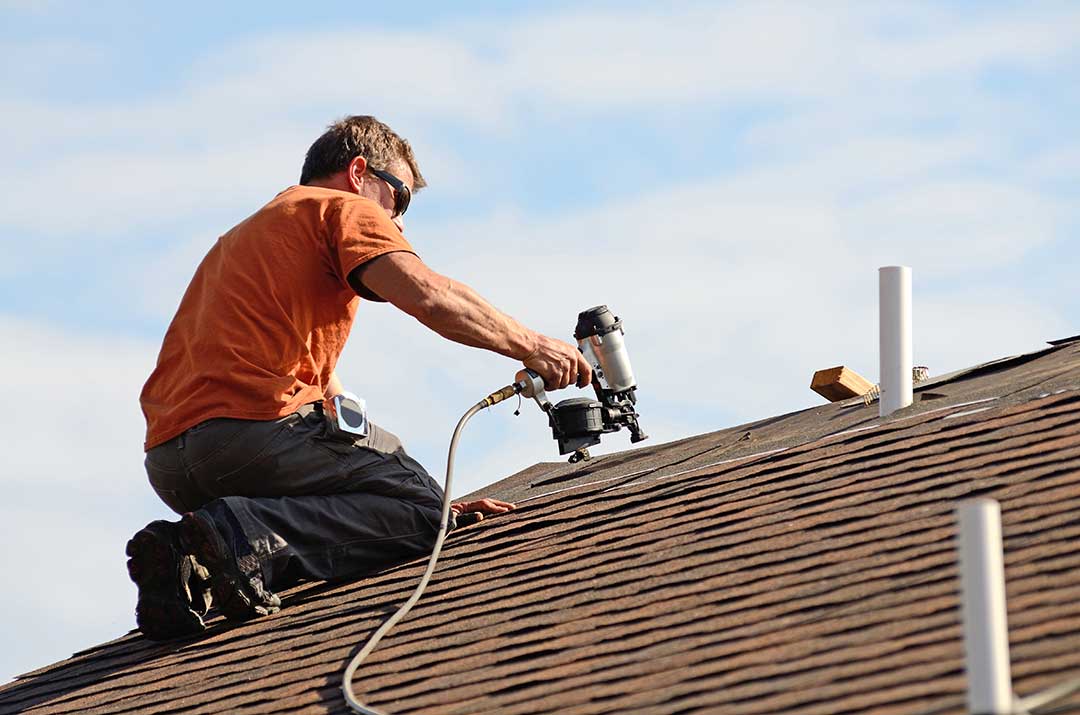
Some roofing products are tested for impact resistance, wind performance, and fire classification. Impact-resistant shingles and metal systems may reduce damage from hail or windborne debris, but no roof is immune to severe weather.
Fire resistance also depends on the roof covering, underlayment, roof deck, vents, nearby vegetation, and construction details. A noncombustible or fire-rated covering can improve performance, but exposed gaps, combustible debris, or poorly protected openings can still create vulnerabilities.
Product ratings should be read carefully. A rating may apply only when the material is installed as part of a specific assembly, with particular fasteners, underlayment, spacing, or deck construction.
What should homeowners ask before choosing a new roofing system?
A useful evaluation should go beyond appearance and advertised lifespan. Questions to consider include:
- Is the roof structure adequate for the proposed material?
- How will the system handle snow, ice, wind, and freeze-thaw cycles?
- What underlayment and flashing details are included?
- Does the attic need additional insulation or ventilation?
- How will roof penetrations be sealed?
- Can damaged sections be repaired without replacing large areas?
- Are replacement materials likely to remain available?
- Does the installation comply with the current New York State building and energy codes?
- Will the roof covering, solar equipment, or added layers affect future maintenance?
Permitting and code requirements can vary according to the scope of work and the structure. Alterations involving structural changes, new roof assemblies, solar components, or substantial repairs may require review under applicable state and local requirements.
The most meaningful roofing innovations are not always visible from the ground. Better moisture control, stronger flashing, improved insulation, accurate fastening, and compatibility between roof components often matter more than a futuristic appearance. For area households, the best technology is usually the system that matches the building, performs reliably through changing seasons, and can be inspected and maintained over time.
