
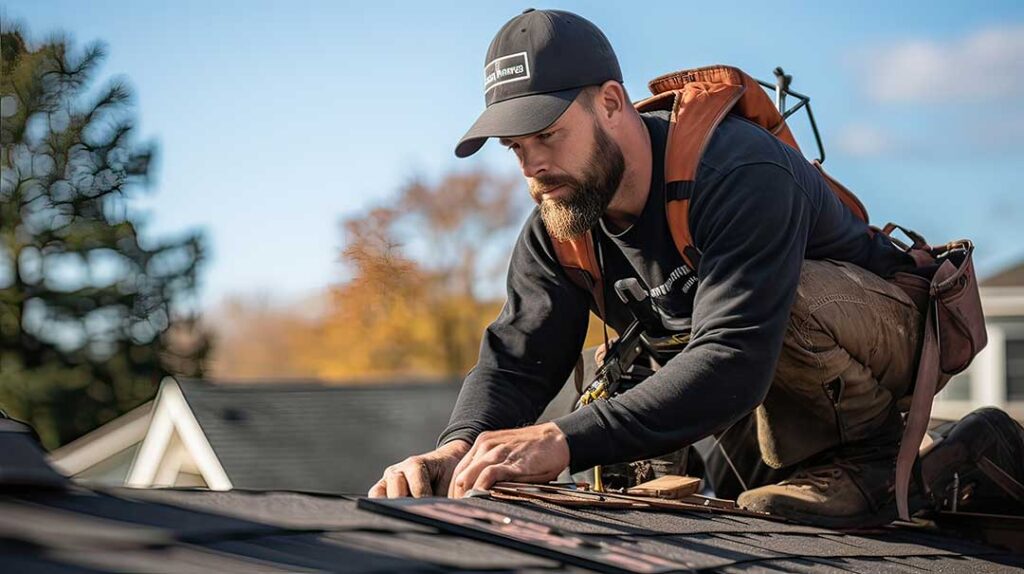
How can a roof leak damage a home’s structure?
A leaking roof can weaken more than shingles and roof decking. If moisture reaches the attic, walls, ceilings, or framing, it may gradually reduce the strength and durability of the home’s structural materials.
In Greene, NY, roof leaks can become more noticeable after heavy rain, wind-driven precipitation, snow, or repeated freeze-thaw cycles. Water may enter through a small opening and travel along rafters, insulation, wiring, or ceiling materials before appearing far from the original leak.
The visible stain is often only the final point where water has collected. The underlying damage may extend into the attic or roof framing.
What parts of a house are most vulnerable?
Several structural areas can be affected by ongoing moisture:
- Roof decking: The panels beneath the shingles can swell, soften, warp, or begin to decay.
- Rafters and trusses: These framing members support the roof. Prolonged wetting can contribute to wood deterioration and loss of strength.
- Wall top plates: Water moving down from the roof can reach the horizontal framing at the top of exterior walls.
- Ceiling joists: Moisture from above can weaken or stain these members, especially around valleys, chimneys, roof penetrations, and skylights.
- Exterior wall framing: Water that enters behind siding or around roof edges may affect studs and sheathing.
- Attic insulation: Wet insulation loses effectiveness and can hold moisture against wood for long periods.
- Ceilings and interior finishes: Drywall may sag, crumble, or separate from fasteners after repeated wetting.
A roof leak does not automatically mean that major structural repairs are needed. The level of risk depends on how much water entered, how long materials stayed wet, whether the area can dry, and whether the problem keeps returning.
Can a small roof leak really weaken framing?
Yes. A small leak can cause significant damage if it continues unnoticed.
Wood framing generally tolerates occasional moisture when it can dry fully. Repeated or prolonged wetting is different. Persistent dampness creates conditions that support wood decay and may attract insects that prefer moist timber. Damage can develop slowly inside an attic or wall cavity, where it is not visible from the living area.
A pin-sized opening around a flashing joint may release only a small amount of water during each storm. Over months or seasons, however, that repeated moisture can affect the same section of decking or framing again and again.
A ceiling stain that appears after one storm may reflect a leak that has been active for much longer. Water can remain trapped above insulation or between layers of building materials even after the weather clears.
How does moisture affect roof decking?
Roof decking forms the surface attached to the rafters or trusses. It supports roofing materials and helps distribute loads across the roof structure.
When decking becomes wet, it may:
- Absorb water and swell at panel edges
- Lose stiffness
- Delaminate if constructed from layered materials
- Develop darkened or softened areas
- Pull away from fasteners
- Begin to decay around recurring leak points
Deteriorated decking may feel spongy when carefully examined from a safe attic position, but walking on questionable roof surfaces is hazardous. A weak section can fail unexpectedly, particularly near areas that have been wet repeatedly.
Decking damage is often concentrated around roof penetrations, valleys, eaves, gutters, and locations where wind has loosened or displaced exterior roofing materials.
Can a leak cause ceilings or walls to collapse?
A roof leak can contribute to ceiling or wall failure, although collapse is not the usual result of a single minor leak. The concern increases when moisture is extensive, persistent, or combined with damaged framing.
Warning signs include:
- A ceiling that sags or develops a bulging area
- Cracks that grow after rain or snowmelt
- Soft, crumbling, or discolored drywall
- Doors or windows that begin sticking near a water-damaged wall
- Visible bowing in a ceiling or wall
- New stains spreading outward from an existing mark
- Wood framing that appears split, deeply cracked, or severely deteriorated
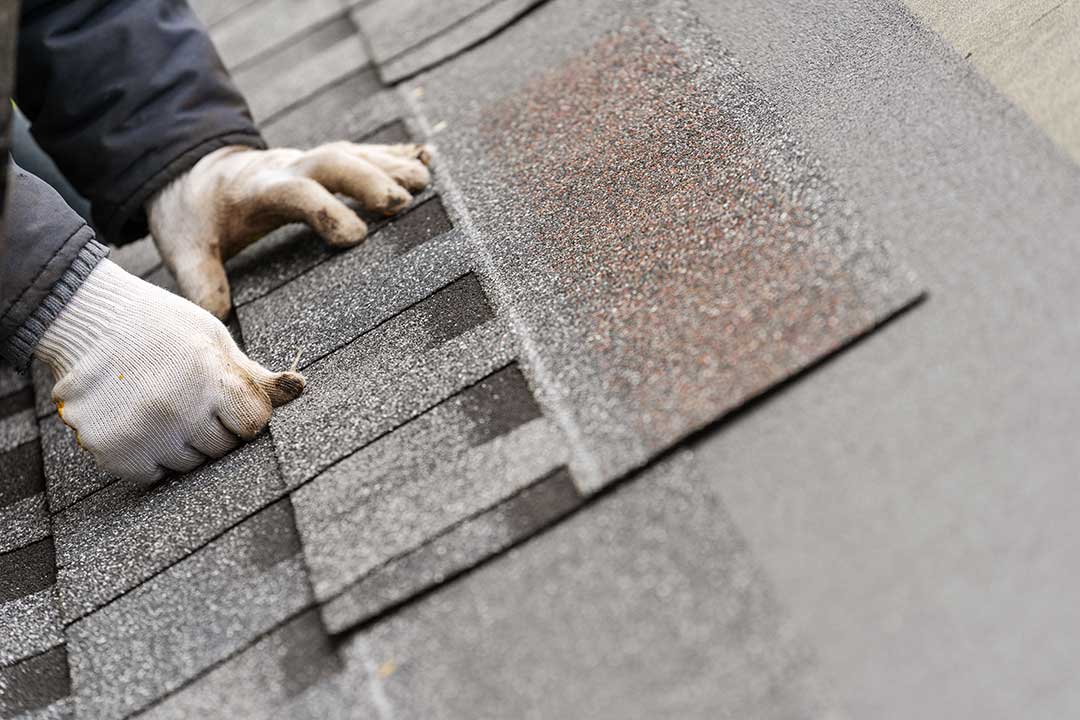
A bulging ceiling may contain trapped water. Standing beneath it can be unsafe because the wet drywall may release suddenly. Electricity also creates an added hazard if water has reached light fixtures, outlets, junction boxes, or wiring.
If a ceiling is sagging significantly, water is actively entering, or structural movement is visible, occupants should stay clear of the area and address immediate safety concerns before investigating further.
What happens to insulation and indoor moisture?
Wet insulation does more than reduce energy performance. It can slow drying and hold moisture against framing, roof decking, and ceiling materials.
In colder weather, moisture may also move through the building envelope and condense in the attic. A roof leak can make this condition worse by adding liquid water to an area already vulnerable to dampness. Repeated condensation and leakage can contribute to musty odors, staining, and material deterioration.
Insulation that has become saturated may not return to its original performance after drying. Some materials can also become compressed, contaminated, or difficult to dry completely when packed into enclosed cavities.
Does mold mean the structure is damaged?
Not necessarily, but mold indicates that moisture has remained present long enough to support biological growth. Mold may develop on drywall, insulation, roof decking, sheathing, or stored materials.
The presence of mold does not prove that framing has lost its strength. However, it does show that the moisture problem needs to be understood and corrected. Cleaning the visible surface without finding the source may leave damp materials behind.
If mold covers a large area, involves porous insulation, follows sewage-contaminated water, or affects people with respiratory sensitivities, additional safety precautions may be appropriate. Avoid disturbing heavily affected materials without suitable protective measures.
Why are roof edges, valleys, and penetrations common trouble spots?
Water does not always enter through the broad field of the roof. It often reaches the interior at transitions and interruptions in the roofing system.
Common vulnerable locations include:
- Valleys where two roof sections meet
- Areas around chimneys, vents, and other penetrations
- Roof-to-wall intersections
- Skylight edges
- Eaves and gutter lines
- Flashing joints
- Places where ice or debris has collected
- Sections exposed to strong wind or repeated snow buildup
In Greene, NY, seasonal weather can place repeated stress on these areas. Freeze-thaw cycles may widen small gaps, while wind-driven rain can push water beneath edges that appear intact from the ground.
What should residents do after discovering a leak?
The first priority is limiting immediate damage without creating a personal safety risk. Place containers beneath active drips, move furniture and electronics away from the affected area, and document visible staining or changes after storms.
Avoid climbing onto a wet or snow-covered roof. Roof surfaces can be slippery, and damaged decking may not safely support weight. Attic inspections should also be cautious, since stepping between ceiling joists can cause injury or damage the ceiling below.
If water is near electrical equipment, avoid contact with wet fixtures or outlets. Power should only be shut off from a safe, dry location. A ceiling that is sagging, a roof section that appears depressed, or framing that looks severely deteriorated requires prompt attention because the issue may involve more than a cosmetic repair.
The most useful investigation follows the water path from the interior stain toward the roof surface, while recognizing that the entry point may be several feet away from where the water becomes visible. Finding and stopping the source early gives wet structural materials a better chance to dry before decay, mold, or more extensive deterioration develops.
