

Roof leaks rarely begin with a dramatic failure. More often, water enters through a small gap, damaged flashing, worn roofing material, or a drainage problem and gradually spreads through the roof deck, insulation, walls, or ceilings. Understanding the likely source can help residents recognize problems earlier and avoid confusing a visible stain with the actual entry point.
What are the most common causes of roof leaks?
The most frequent causes are damaged shingles or roofing materials, failed flashing, clogged drainage systems, ice dams, aging sealants, and poor ventilation. Leaks can also develop around roof penetrations such as chimneys, plumbing vents, skylights, and exhaust fans.
A water mark on a ceiling does not always sit directly beneath the leak. Water can travel along rafters, roof decking, insulation, or framing before appearing indoors.
How do damaged shingles allow water inside?
Shingles protect the roof deck from direct exposure to rain and melting snow. They can leak when they are cracked, torn, curled, loose, missing, or lifted by wind.
Common causes of shingle damage include:
- Aging and gradual loss of flexibility
- High winds and severe storms
- Falling branches
- Foot traffic or careless equipment placement
- Repeated freezing and thawing
- Improper installation or exposed fasteners
A few damaged shingles may not cause an immediate interior leak. Water can first saturate the underlayment or roof deck, making the problem difficult to notice until a heavy rain or snowmelt event occurs.
Granules collecting in gutters can also be a warning sign, especially on older asphalt-shingle roofs. Granule loss does not always mean the roof is actively leaking, but it can indicate that the surface is becoming less resistant to weather.
Why is flashing a frequent source of leaks?
Flashing is the thin material installed around joints and transitions where roofing meets another surface. It is commonly found around chimneys, walls, valleys, skylights, dormers, and plumbing vents.
These locations are vulnerable because water changes direction or concentrates there. A small opening in flashing can allow water beneath the roofing material even when the surrounding shingles appear intact.
Flashing may fail because of:
- Corrosion or rust
- Loose sections
- Cracked sealant
- Improper overlapping
- Movement caused by temperature changes
- Previous repairs that were incomplete or poorly integrated
Roof valleys deserve particular attention. Valleys collect runoff from two sloping sections, so damaged valley lining or poorly installed shingles can cause leaks during heavy rain.
Can clogged gutters cause a roof leak?
Clogged gutters do not usually create a hole in the roof by themselves, but they can contribute to water intrusion. Leaves, sticks, and ice may block normal drainage, allowing water to back up beneath the roof edge or behind fascia boards.
Overflowing water can also soak exterior walls, damage soffits, and enter around poorly protected roof edges. In winter, blocked gutters may make ice buildup more likely.
Downspouts matter as well. A gutter may appear clear while the downspout remains blocked below the opening. Water that cannot drain away may spill against the foundation or back up at the eaves during snowmelt and rain.
How do ice dams cause leaks in Greene, NY?
Ice dams form when heat escapes into the attic and warms sections of the roof while the eaves remain cold. Snow melts on the warmer upper roof, flows downward, and refreezes near the colder edge. The growing ice blocks drainage, allowing meltwater to move beneath shingles.
The region’s winter snow, freezing temperatures, and repeated freeze-thaw cycles can make this problem more likely. Ice dams may cause:
- Wet insulation
- Ceiling stains near exterior walls
- Peeling paint
- Damp attic framing
- Mold or wood decay
- Damage to gutters and roof edges
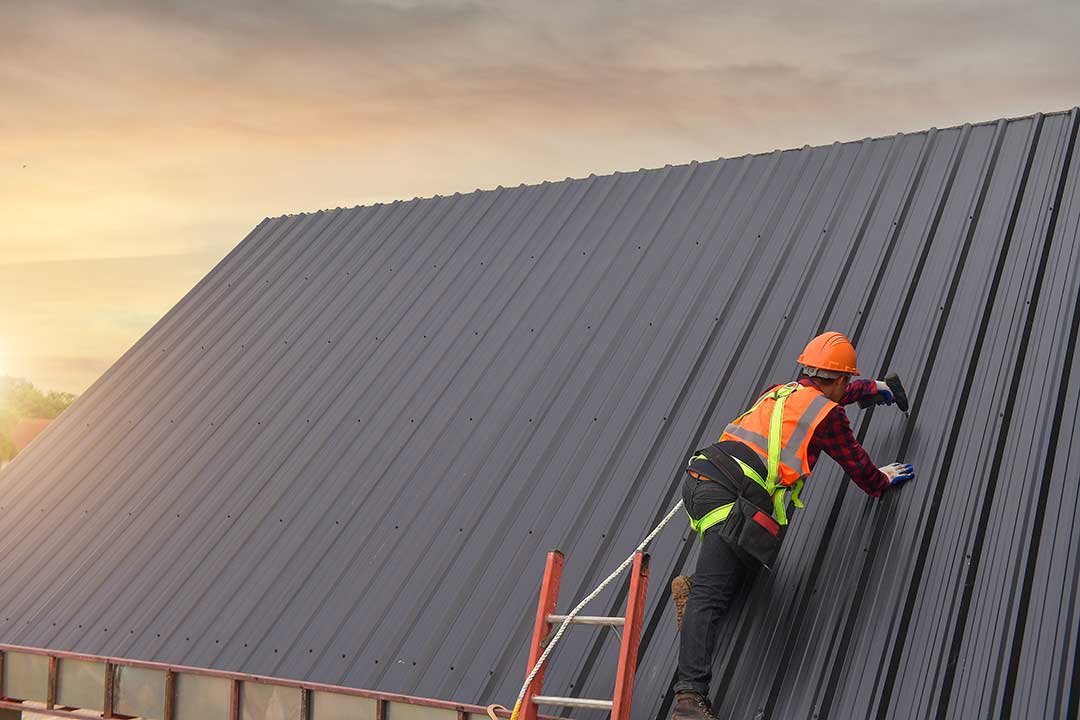
An ice dam is not necessarily caused by inadequate roofing material alone. Attic air leakage, insufficient insulation, blocked soffit vents, and poor airflow can all contribute. Removing snow or ice from a roof can also be dangerous, particularly when ladders, frozen surfaces, and overhead ice are involved.
Why can roof penetrations leak?
Every opening through a roof creates a potential entry point. Plumbing vent pipes, bathroom exhaust vents, chimneys, skylights, satellite mounts, and other penetrations depend on properly installed flashing and weatherproof seals.
Rubber collars around plumbing vents can crack with age. Metal flashing may loosen. Skylight seals can deteriorate, and chimney masonry can absorb water if cracks are left unprotected.
Bathroom and kitchen exhaust ducts deserve special attention. If they discharge into an attic rather than outdoors, warm moisture can condense on cold surfaces and mimic a roof leak. This can lead to damp insulation, staining, and wood deterioration even during dry weather.
Can condensation be mistaken for a roof leak?
Yes. Not every ceiling or attic moisture problem comes from rain entering through the roof.
Condensation may develop when warm, humid indoor air reaches cold roof decking, nails, ducts, or attic surfaces. It is more likely when an attic has poor ventilation, air leaks around ceiling penetrations, or insufficient insulation.
Clues that condensation may be involved include:
- Moisture appearing during cold weather without recent rain
- Frost or dampness on the underside of roof decking
- Rusted nails throughout the attic
- Damp insulation without an obvious exterior opening
- Moisture near bathroom fans or recessed lights
Condensation and roof leaks can also occur together, so a single explanation should not be assumed without checking the surrounding area.
How does roof age affect leakage?
Roofing materials become more vulnerable as they age. Asphalt shingles lose protective granules and flexibility, membranes can become brittle, and sealants may shrink or crack. Older roofs may also contain outdated flashing details or previous patchwork that has weakened over time.
Age alone does not prove that a roof is leaking, but an older roof generally has less tolerance for severe weather and repeated moisture exposure. A leak that appears after a storm may result from a small weakness that had been developing for years.
What should residents check after noticing a leak?
Start with the attic or highest accessible area below the suspected location, but avoid stepping on insulation or damaged decking. Look for wet wood, darkened insulation, water trails, rusted fasteners, or daylight visible through the roof assembly.
Inside the home, place a container beneath active dripping and move furniture or belongings away from the area. If water is near electrical fixtures, turn off power to the affected circuit only if it can be done safely.
Record when the leak appears. A leak that occurs only during wind-driven rain, snowmelt, or a particular wind direction may provide useful clues about the entry point.
Do not climb onto a wet, icy, or steep roof. Roof surfaces become especially hazardous during Greene winters, and hidden structural damage can make walking unsafe. If ceilings are bulging, electrical components are wet, or substantial water is entering the building, immediate safety concerns should take priority over locating the exact source.
IMAGE_ALT:
Wet attic insulation and dark roof decking beneath a small roof leak after rain.
