
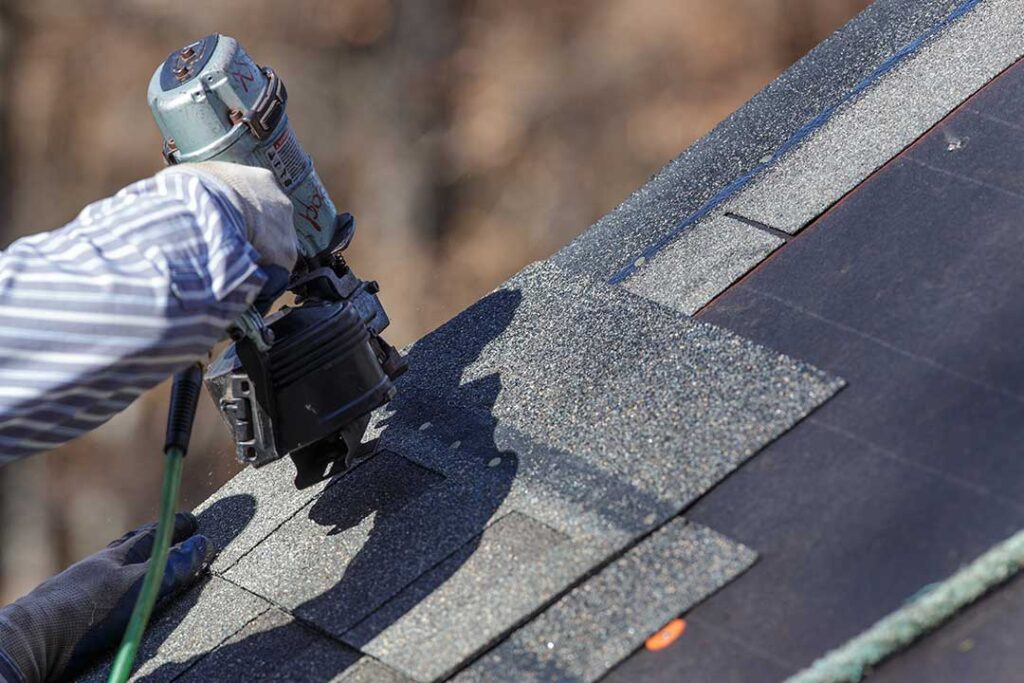
Can a sports ball really damage a roof?
Yes. A baseball, softball, lacrosse ball, soccer ball, or other hard ball can damage roofing materials when it strikes with enough speed. The result may be a visible crack, a displaced shingle, a dented metal panel, or a small opening that allows water to enter later.
In Greene, NY, this type of damage can occur around homes near yards, driveways, school areas, recreational spaces, or informal neighborhood play areas. A roof does not need to look severely damaged for a leak to develop. Even a small impact can weaken the surface and create a problem that becomes more noticeable during heavy rain, snowmelt, or freeze-thaw conditions.
Which types of roof damage can sports balls cause?
The type of damage depends on the ball, its speed, the roofing material, and the location of the impact.
Common examples include:
- Cracked or bruised asphalt shingles: A hard impact can split the shingle surface or create a compressed spot that is difficult to see from the ground.
- Displaced shingles: A ball may lift or shift a shingle, especially if the roofing material is already aging or loosened by wind.
- Broken tabs or exposed fasteners: Repeated impacts can damage the lower portion of a shingle and expose areas that were designed to remain covered.
- Dented metal roofing: Metal panels may show shallow depressions after being struck. A dent is not always a leak, but damage near seams, fasteners, or flashing deserves closer attention.
- Cracked slate, tile, or other rigid materials: Hard roofing products can break rather than flex. Broken pieces may leave an opening beneath them.
- Damage to flashing and accessories: Chimney flashing, plumbing vent covers, skylight edges, ridge vents, and roof-mounted equipment can also be struck.
A soft inflatable ball is less likely to cause serious damage, although repeated hits in the same area can still disturb loose materials. Hard balls and balls thrown or hit at close range present a greater risk.
Why are some impacts more serious than others?
Impact alone does not determine the outcome. The condition of the roof matters just as much.
Older shingles may be brittle and less able to absorb a hit. Cold weather can make asphalt-based materials less flexible, increasing the chance of cracking. During winter and early spring in Greene, low temperatures and repeated freezing and thawing can make small impact damage more difficult to notice until moisture enters the roof system.
The angle of impact also matters. A ball that strikes directly may cause a dent or puncture, while a glancing impact may lift a shingle or damage its edge. Repeated impacts are more concerning than a single light contact because they can loosen protective granules and gradually weaken the same section of roofing.
Areas near roof edges, valleys, vents, skylights, and flashing are especially worth watching. These locations already contain transitions or seams where water is directed or where different materials meet.
What signs may appear after a ball hits the roof?
Some damage is visible from the ground, but other problems require a closer inspection. After a known impact, look for:
- Shingles that appear raised, curled, split, or out of alignment
- Dark or shiny spots where protective granules have been removed
- Loose pieces of shingle material in the yard or on lower roof sections
- A dent or crease in metal roofing
- Cracked slate, tile, vent covers, or plastic components
- Water stains on ceilings, walls, or upper-level trim
- Damp insulation, musty odors, or moisture around attic framing
- Drips that appear only during certain wind directions or heavy rainfall
A roof leak may not appear directly below the impact. Water can travel along roof decking, rafters, insulation, or interior framing before becoming visible inside the home. For that reason, an indoor stain may be connected to damage several feet away.
How can a homeowner check safely?
A ground-level inspection is the safest first step. Use binoculars or view the roof from an upper window if possible. Check the surrounding yard for broken roofing pieces and look for a likely path between the play area and the roof.
Avoid climbing onto a roof to inspect a suspected impact, particularly when the surface is wet, icy, steep, or covered with moss. Walking on shingles can cause additional damage, and some roofing materials become slippery or fragile with age.
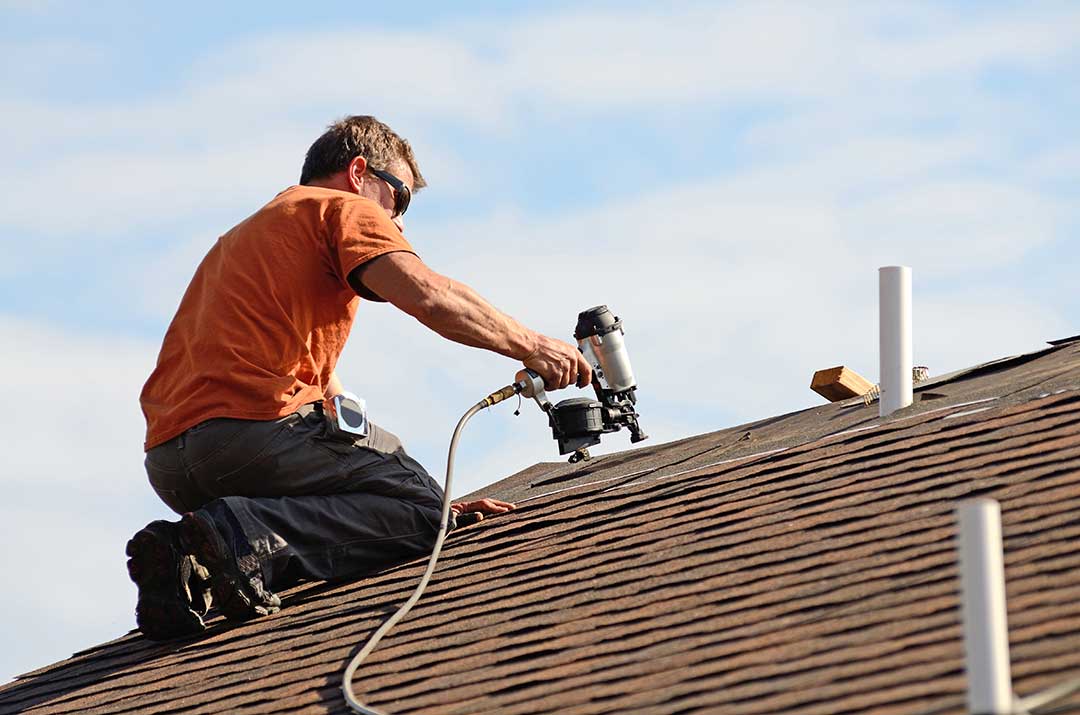
If water is entering the home, place a container beneath the drip and move furniture or household items away from the affected area. Do not puncture a ceiling bulge; trapped water can spread quickly when the surface is disturbed. If electrical fixtures are wet or water is near wiring, shut off power to the affected area only if it can be done safely.
Does a small dent mean the roof needs replacement?
No. A small dent or surface mark does not automatically mean the entire roof must be replaced. The correct response depends on whether the roofing material remains watertight, whether shingles are still securely attached, and whether the roof structure or underlayment has been affected.
A single damaged shingle may be repairable. A broken tile, punctured membrane, damaged flashing section, or compromised metal seam may require a more specific repair. If the roof is near the end of its normal service life, an impact may reveal broader wear that was already present rather than being the sole cause of the problem.
Replacement of an entire roof is generally associated with widespread deterioration, repeated failures, or damage that cannot be properly isolated. A careful inspection should distinguish between localized impact damage and general aging.
What should be documented after an impact?
Take photographs from the ground, including wide views that show the roof area and closer views of visible damage. Record the approximate date, the type of ball involved, the direction of the impact, and whether rain occurred afterward.
Keep any roofing fragments found in the yard. If water damage appears indoors, photograph stains and note when they first became visible. This information can help separate a sudden impact-related issue from older staining, ice-related moisture, wind damage, or normal material wear.
It is also useful to check whether the same roof area has been struck repeatedly. A pattern of damage may indicate that a play area, driveway, or rebound path is directing balls toward the house.
How can repeated ball impacts be reduced?
The most effective prevention is to change the path of the ball rather than relying on the roof to withstand repeated impacts. Practical steps include:
- Moving batting, lacrosse, or throwing activities farther from the house
- Turning play areas so balls travel parallel to the roof instead of toward it
- Using netting or a properly secured barrier where space allows
- Avoiding hard-ball activities near roof edges, skylights, windows, and delicate exterior fixtures
- Replacing damaged or unstable play equipment that sends balls unpredictably
- Teaching children not to retrieve balls by climbing onto the roof
These precautions are especially useful for homes with older shingles, fragile slate or tile, low roof sections, or roof features that are easy to strike.
When does impact damage require prompt attention?
Prompt attention is appropriate when a ball causes a visible opening, breaks a roofing unit, dislodges flashing, exposes roof decking, or is followed by interior moisture. A roof that appears intact should still be watched after a significant impact, particularly before a period of heavy rain, snow, or freezing temperatures.
The main concern is not the appearance of the dent itself. It is whether the roof’s water-shedding layers remain continuous and securely attached. Early identification can limit the chance that a small impact becomes wet insulation, stained ceilings, damaged framing, or hidden mold growth.
