
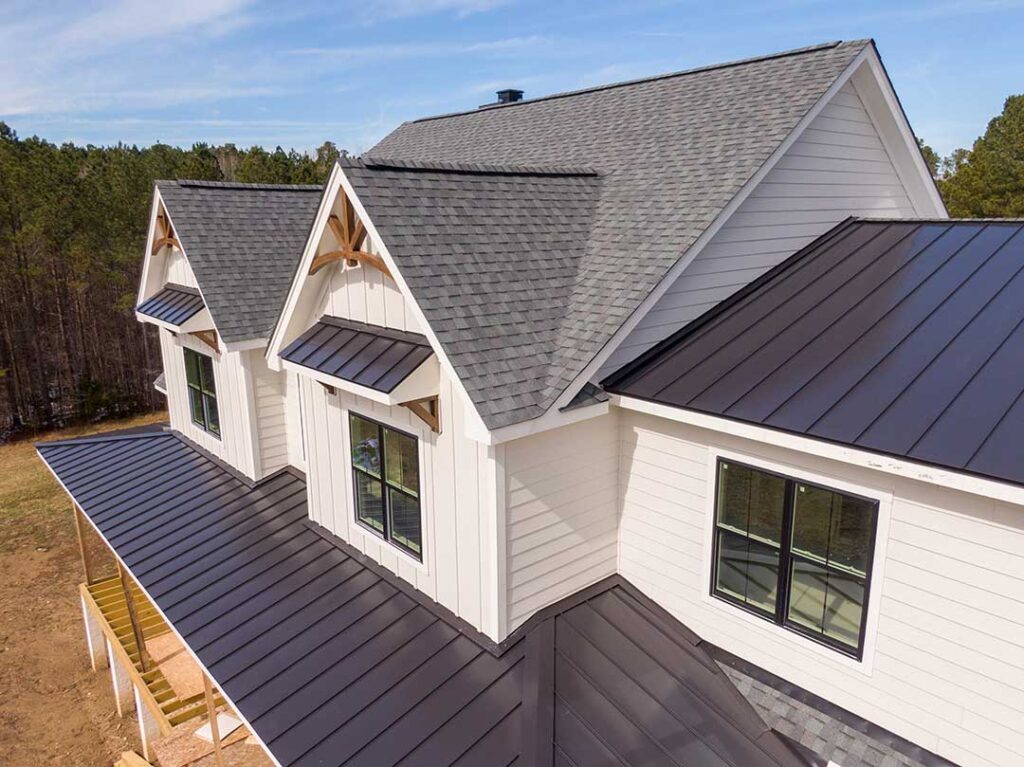
What is roof underlayment?
Roof underlayment is a protective layer installed between the roof deck and the outer roofing material. It is usually made from asphalt-saturated felt, synthetic sheet material, or a specialized membrane designed for areas vulnerable to water intrusion.
Shingles or other roof coverings shed most rainfall, but they are not a completely waterproof barrier. Wind-driven rain, melting snow, ice dams, and moisture entering around roof penetrations can sometimes move beneath the outer covering. Underlayment provides a secondary line of defense before water reaches the wood roof deck or the interior of the home.
A roof assembly commonly includes:
- The roof framing
- The roof deck, often plywood or oriented strand board
- Underlayment
- Flashing around openings and roof edges
- Shingles, metal panels, or another finished roof covering
Each layer has a separate function. Underlayment is not a substitute for properly installed shingles, flashing, ventilation, or drainage.
Why does underlayment matter in Greene, NY?
In Greene, NY, roofs must deal with changing weather through the year. Freeze-and-thaw cycles, heavy rain, wind, snow accumulation, and periods of wet conditions can all test the layers beneath the visible roof covering.
Snow and ice create particular challenges. Snow that melts and refreezes near colder roof edges can form ice dams. Water may then back up underneath shingles instead of flowing directly into the gutters. Properly selected and installed underlayment can help reduce the chance that this water reaches the roof deck.
Underlayment also provides temporary protection during construction. If the roof covering is not installed immediately, the underlayment can help shield the deck from short-term exposure. It is not intended to serve as a permanent finished roof, but it can limit damage from unexpected rain during the installation process.
What are the main types of roof underlayment?
The three broad categories are asphalt-saturated felt, synthetic underlayment, and self-adhering membranes.
Asphalt-saturated felt
Traditional felt underlayment has been used for decades. It is generally available in different weights and can be suitable beneath many types of asphalt shingle roofing.
Its advantages include familiarity, relatively simple installation, and widespread compatibility. However, felt can wrinkle, tear, absorb moisture, and degrade if left exposed for too long. Foot traffic and wind can also damage it before the finished roof is installed.
Synthetic underlayment
Synthetic products are made from woven or nonwoven polymers. They are usually lighter than felt and may offer better resistance to tearing, moisture absorption, and extended exposure.
Many synthetic sheets are designed with printed alignment lines and textured surfaces that help with installation. Their performance depends on the specific product and how it is fastened. A synthetic sheet that is poorly secured can still be vulnerable to wind before the outer roof covering is installed.
Self-adhering membranes
Self-adhering underlayment, sometimes called a peel-and-stick membrane, has an adhesive backing. It is often used in areas that need extra protection, such as eaves, valleys, roof-to-wall transitions, and locations around penetrations.
These membranes can create a strong water-resistant layer when installed on a clean, suitable surface. They also require careful preparation. Dust, frost, dampness, poor adhesion, or incorrect placement can reduce their effectiveness. Some membranes are designed for specific temperature ranges and roof materials, so product instructions matter.
Is roof underlayment waterproof?
Most underlayment is water-resistant, but not every type is completely waterproof in every situation. Self-adhering membranes may provide a more continuous water barrier than mechanically fastened felt or synthetic sheets, but seams, fasteners, edges, and penetrations still require proper treatment.
Underlayment should be understood as part of a water-management system. It works together with roof slope, flashing, ventilation, drainage, and the outer roof covering. Water can still enter if a valley is poorly formed, a flashing detail is damaged, or fasteners are placed incorrectly.
A roof that appears to have intact underlayment may still leak if water is being directed behind flashing or beneath the membrane at a seam.
Where is underlayment most important?
Underlayment matters across the entire roof, but certain locations deserve special attention because they receive concentrated water flow or are more exposed to ice and wind.
Common areas include:
- Eaves and lower roof edges
- Valleys where two roof sections meet
- Roof-to-wall intersections
- Around chimneys, skylights, and plumbing penetrations
- Beneath dormers and other changes in roof shape
- Areas with low slope or limited drainage
- Sections affected by ice buildup
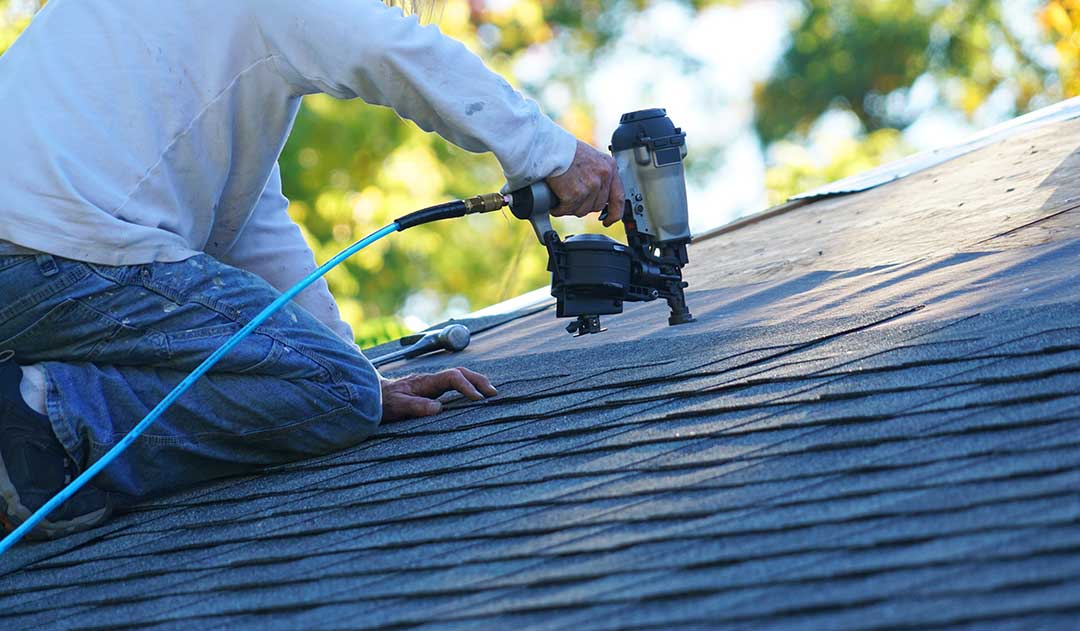
At roof edges, a membrane may be used as part of an ice-barrier assembly where required by applicable building regulations or accepted construction practice. The exact design depends on roof slope, climate exposure, roofing material, and local code requirements.
Does underlayment need to be replaced during a roof replacement?
Usually, underlayment is replaced when the roof covering is removed. It may be possible to leave portions in place if they are undamaged and the roofing system allows it, but old underlayment can be brittle, torn, wrinkled, or stuck to the deck.
Reusing it can also make it harder to identify hidden damage. Once shingles or panels are removed, the roof deck should be checked for rot, delamination, water staining, loose fasteners, or other defects. New underlayment performs best when installed over a sound, clean, and properly prepared deck.
Layering new roofing material over old roofing can also complicate underlayment installation. Depending on the existing roof and local requirements, a complete tear-off may provide a more reliable way to inspect and rebuild the water-shedding layers.
What problems can be caused by poor underlayment installation?
Installation problems may not appear immediately. Some can remain hidden until the roof experiences wind-driven rain, repeated freezing, or prolonged snow cover.
Common problems include:
- Wrinkles that prevent shingles from lying flat
- Insufficient overlap between sheets
- Exposed fasteners in areas vulnerable to water
- Gaps around vents, chimneys, or skylights
- Membrane applied over a damp or dirty surface
- Underlayment installed in the wrong direction
- Material left exposed beyond its rated time
- Inadequate protection at valleys and roof edges
The roof covering may conceal these defects, making them difficult to diagnose from the ground. Interior signs such as ceiling stains, peeling paint, damp insulation, or musty odors can indicate that water is getting through one or more roof layers.
Can homeowners inspect roof underlayment?
Most underlayment is not visible once the roof is finished, so a homeowner cannot fully evaluate it without removing roofing material. A safe ground-level inspection can still look for conditions that may point to roof-system trouble.
After major storms, residents can check for missing shingles, lifted edges, damaged flashing, clogged drainage paths, or water stains in the attic and upper ceilings. Attic inspections should be performed only where access is safe, with attention to wet insulation, darkened wood, daylight around penetrations, and signs of frost or condensation.
Walking on a roof is risky, especially when surfaces are wet, icy, steep, or damaged. Roof access may also disturb shingles and flashing. Conditions involving active leaks, structural weakness, electrical equipment, or suspected storm damage may require qualified, safety-conscious evaluation.
What should be considered before choosing underlayment?
The right underlayment depends on more than the product name. Relevant factors include the roof covering, slope, ventilation design, exposure to snow and wind, installation temperature, roof complexity, and applicable building requirements.
A basic roof with a moderate slope may use a different underlayment strategy than a roof with multiple valleys, dormers, skylights, or low-slope sections. The most durable result comes from treating underlayment as one part of a coordinated roof assembly rather than as an isolated material.
For area homes, careful attention to roof edges, valleys, flashing, and moisture movement is especially useful because weather can shift rapidly between rain, snow, thawing, and refreezing. A visible roof covering may be the first thing residents notice, but the layers beneath it often determine how well the system manages water over time.
