

A roof can look new and still have installation problems that shorten its service life. In Greene, NY, seasonal snow, freeze-thaw cycles, wind, heavy rain, and summer heat can expose weak workmanship sooner than expected.
Poor installation does not always cause an immediate leak. Some defects first appear as uneven shingles, exposed fasteners, weak flashing, poor attic ventilation, or water that drains incorrectly. Knowing what to look for can help residents distinguish ordinary aging from installation-related problems.
What are the earliest signs of poor roof installation?
The earliest signs are usually visual irregularities rather than active leaks. Shingles may appear uneven, loose, misaligned, or lifted, and roof edges may look unfinished.
From the ground, look for:
- Wavy or rippled shingle courses
- Shingles that do not follow straight horizontal lines
- Missing, cracked, curled, or visibly loose shingles on a relatively new roof
- Exposed roofing nails or fasteners
- Shingle tabs that appear lifted after ordinary weather
- Uneven edges along the eaves, rakes, or roof valleys
- Gaps around vents, chimneys, skylights, or other roof openings
- Sections that appear noticeably different in color or texture
A small amount of variation can occur with natural materials and changing light. However, repeated irregularities across a roof may indicate that the underlying installation was rushed, performed over an uneven surface, or not properly aligned.
Why do crooked or raised shingles matter?
Shingles are designed to overlap in a specific pattern so water flows downward without reaching the roof deck. If they are poorly aligned, improperly fastened, or installed in unsuitable temperatures, the roof may be more vulnerable to wind and water intrusion.
Raised shingle edges can allow wind to get underneath the roofing material. In a region with winter storms and changing temperatures, repeated expansion, contraction, and wind pressure can make the problem worse.
A shingle that is slightly raised may not leak immediately. Over time, though, it can crack, lose its protective surface, or pull against nearby shingles. Loose tabs after only a short period of service are not generally considered normal wear.
What installation mistakes cause roof leaks?
Many roof leaks begin at transition points rather than in the middle of an open roof slope. Poorly installed flashing is one of the most common causes.
Potential warning signs include:
- Rusted, bent, missing, or improperly placed flashing
- Sealant used as a substitute for properly formed flashing
- Gaps around plumbing vent pipes
- Water stains below valleys or roof-wall intersections
- Flashing that appears loose after wind or heavy rain
- Missing step flashing where a roof meets a wall
- Roofing material installed too tightly against a chimney or other masonry surface
Flashing should direct water away from vulnerable joints. Sealants can deteriorate from sunlight, temperature changes, and movement, so a bead of caulk alone is not a durable replacement for correctly installed metal or other approved flashing components.
Interior evidence may include brown ceiling marks, peeling paint, damp insulation, musty odors, or staining near exterior walls. A roof can leak in one location while the interior stain appears several feet away because water may travel along rafters or roof decking.
Are exposed nails a sign of bad workmanship?
Exposed nails can be a warning sign, especially when they are located in open shingle surfaces or areas where water regularly flows. Properly placed fasteners should generally be covered by the overlapping course or protected according to the roofing system’s installation requirements.
Exposed fasteners may rust, loosen, or create a path for water. A few visible nails near certain roof accessories may have a legitimate purpose, but widespread exposed fasteners deserve closer attention.
Nails that are driven too high, too low, at an angle, or with excessive force can also weaken shingles. Overdriven fasteners may cut through the material instead of holding it securely.
How can poor ventilation reveal an installation problem?
A roof can be watertight and still perform poorly if attic ventilation was not planned or installed correctly. Inadequate ventilation can contribute to excessive attic heat, moisture buildup, condensation, and premature deterioration of roofing materials.
Possible signs include:
- Frost or moisture on the underside of the roof deck during cold weather
- Damp insulation or a persistent musty smell in the attic
- Rusted nails or metal components
- Mold-like staining on roof sheathing
- Ice buildup along roof edges during winter conditions
- Unusually high attic temperatures in summer
- Shingles that age unevenly or deteriorate sooner than expected
Ventilation problems are not always caused by a roof replacement. Blocked insulation, bathroom exhaust discharging into the attic, and missing air pathways can create similar symptoms. The full attic system should be considered rather than adding vents without addressing the cause.
What does poor roof drainage look like?
Water should move off the roof and into the intended drainage system without pooling or repeatedly spilling behind gutters. Poor slope preparation, blocked drainage paths, inadequate flashing, or incorrectly installed gutters can all contribute to water damage.
Look for:
- Water pooling in roof valleys
- Staining below valleys or roof-wall intersections
- Gutters that overflow during ordinary rainfall
- Water running behind gutters
- Erosion or splash marks near the foundation
- Sagging roof edges
- Ice buildup concentrated in unusual areas
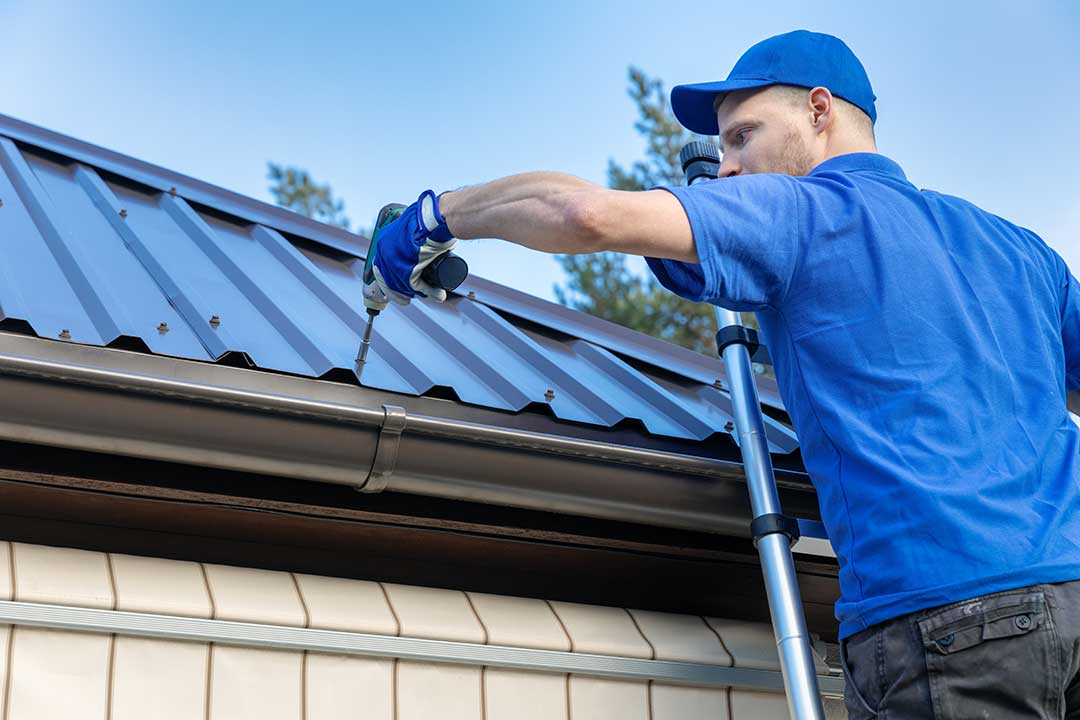
A small amount of temporary water near some roof details may not indicate a structural problem. Repeated ponding, however, should not be ignored. Flat or low-slope sections are especially sensitive to drainage design and installation details.
Can attic problems confirm poor roof installation?
Attic inspection can reveal defects that are not visible from the ground. A properly installed roof should have a reasonably consistent deck, no unexplained daylight through roof joints, and no signs of recurring moisture.
From a safe attic location, residents may notice:
- Daylight showing through places that should be sealed
- Wet or stained roof decking
- Mold-like growth or damp insulation
- Nails protruding in unusual locations
- Sagging sheathing between framing members
- Gaps around vents and other penetrations
- Condensation on roofing nails or metal surfaces
Attic access can be hazardous because of limited footing, exposed fasteners, insulation, and poor lighting. If the space cannot be inspected safely, visual inspection from the living area and exterior may be more appropriate.
Which roof problems require prompt attention?
Active leaks, exposed roof decking, large areas of missing shingles, severe sagging, and damaged flashing around openings should be treated as urgent maintenance concerns. Water entering near electrical equipment, ceiling fixtures, or attic wiring creates an additional safety issue.
After a storm, avoid climbing onto the roof to inspect damage. Wet shingles are slippery, and hidden structural damage may not be visible from above. A safe ground-level review can identify whether temporary protection or further evaluation is needed.
Not every defect means the entire roof must be replaced. Some problems may involve a limited flashing detail, a small area of loose shingles, inadequate ventilation, or drainage maintenance. The appropriate response depends on the roof’s age, materials, extent of damage, and whether the defect is continuing to allow water intrusion.
How should homeowners document suspected installation defects?
Clear documentation can help separate installation problems from ordinary aging. Take dated photographs from the ground, attic, and affected interior areas when it is safe to do so. Record when leaks appear, what weather conditions were present, and whether staining grows after rain or snowmelt.
Useful records may include:
- Roofing material and installation date
- Receipts, warranties, and written specifications
- Photos taken before and after major weather
- Locations of ceiling stains or attic moisture
- Notes about repairs or recurring problems
- Any inspection reports or permits associated with the work
In Greene, NY, documenting conditions through a full cycle of rain, snow, freezing temperatures, and thawing can help reveal whether a problem is isolated or recurring. A new roof should not normally develop widespread lifting, persistent leaks, or major ventilation symptoms shortly after installation.
