
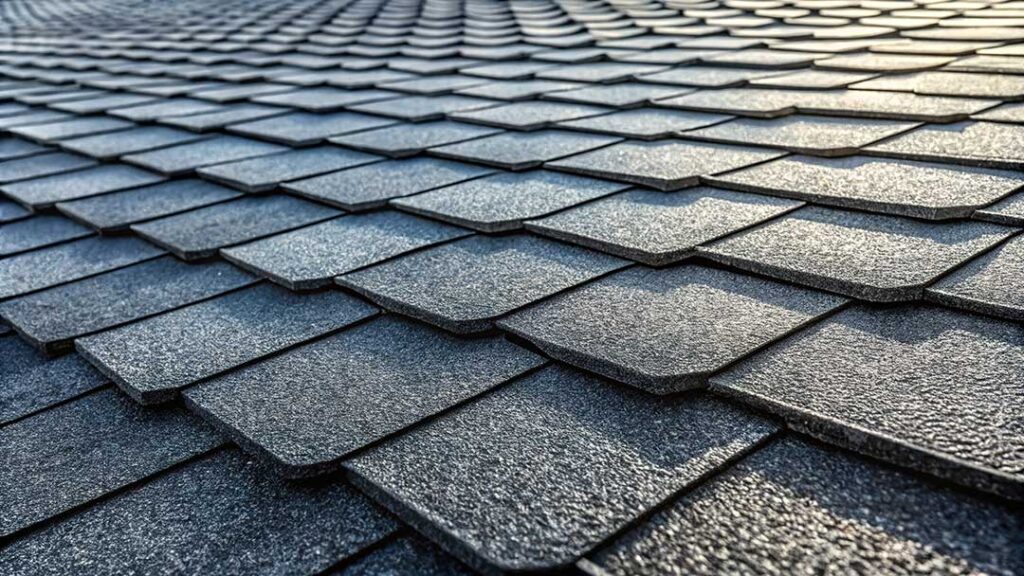
Roof shingles rarely curl or crack without a reason. The damage may result from age, repeated temperature changes, moisture, poor attic ventilation, installation problems, or severe weather. For homeowners in Greene, NY, seasonal freezing, summer heat, wind, and snow can all contribute to gradual shingle deterioration.
Recognizing the type of damage and responding at the right time can help prevent roof leaks and reduce the risk of damage to roof decking, insulation, ceilings, and interior finishes.
What does shingle curling look like?
Curling occurs when the edges or corners of a shingle lift away from the roof surface. The lower edge may turn upward, the corners may curl, or the entire shingle may appear wavy.
There are two common patterns:
- Bottom-edge curling: The lower edge bends upward, often across multiple shingles in a row.
- Corner curling: One or both corners lift while the center of the shingle remains relatively flat.
Curling is easier to notice from the ground when sunlight catches the raised edges. Binoculars can help with inspection, but climbing onto a roof is risky, especially when shingles are brittle, wet, icy, or steeply pitched.
Why do asphalt shingles curl?
The most common cause is aging. Asphalt shingles gradually lose flexibility as the protective oils and weather-resistant materials break down. Once the shingle becomes less flexible, repeated heating and cooling can cause the edges to contract, lift, and remain permanently curled.
Other possible causes include:
- Poor attic ventilation: Excess heat and moisture below the roof can accelerate shingle aging and cause the roof surface to experience greater temperature stress.
- Improper installation: Shingles installed with too few fasteners, incorrect nail placement, or inadequate sealing may lift more easily.
- Manufacturing defects: A small number of shingles may fail earlier than the surrounding roof.
- Wind exposure: Strong gusts can loosen or lift shingle edges, particularly where the shingles were not firmly sealed.
- Moisture beneath the roofing materials: Persistent dampness can weaken roof components and contribute to distortion.
- Dark roof surfaces and direct sun: Solar heating can make roof materials expand during the day and contract as temperatures fall.
Curling across an entire roof usually points to age, ventilation, installation, or material-related problems rather than a single isolated event.
What causes shingles to crack?
Cracking is different from curling. A cracked shingle may show a split through the surface, a series of short lines, or long cracks that follow the length of the shingle.
Some cracks are caused by thermal movement. Roofing materials expand in hot weather and contract during cold weather. Repeated movement can eventually create splits, especially in older shingles that have lost flexibility.
Other cracks may result from:
- Hail or falling branches
- Walking on brittle shingles
- Improper handling during installation
- Severe cold followed by rapid warming
- Defects in the roofing material
- Long-term exposure to ultraviolet light
A few isolated cracks may be limited to individual shingles. Widespread cracking across many roof sections generally indicates that the roofing system is nearing the end of its useful service life or has experienced a broader installation or environmental problem.
Are curled or cracked shingles an emergency?
Usually, curled or cracked shingles are not an immediate emergency, but they should not be ignored. A roof can appear mostly intact while allowing water to enter beneath damaged shingles.
Prompt attention is more appropriate when:
- A shingle is missing completely.
- Cracks expose the underlying roofing layer.
- Shingles are lifted enough for wind to catch them.
- Water stains appear on ceilings or upper walls.
- Damp insulation, musty odors, or visible mold develop in the attic.
- Damage is concentrated around chimneys, vents, skylights, valleys, or roof edges.
- A recent windstorm, hailstorm, or falling branch caused visible damage.
If active water is entering the home, place a container beneath the leak if safe and move furnishings away from the area. Avoid walking on wet ceilings or entering areas with sagging drywall.
Can one curled or cracked shingle be repaired?
A single damaged shingle can sometimes be replaced without replacing the entire roof. This is more practical when the surrounding shingles are still flexible, reasonably uniform, and firmly sealed.
A limited repair may not be a lasting solution if nearby shingles are also brittle or curled. Older shingles can break during an attempted repair, and replacement shingles may not match in color because the existing roof has faded over time.
Repairs are also more complicated around roof penetrations, valleys, ridges, and edges. These areas require careful attention because water does not always travel straight down. A leak that appears near a ceiling fixture may originate several feet away on the roof.
When does shingle damage mean the roof needs broader work?
A roof may need more extensive repair or replacement when damage is widespread, repeated, or accompanied by underlying deterioration. Warning signs include:
- Curling or cracking on several roof slopes
- Numerous missing or loose shingles
- Bald spots where protective granules have worn away
- Shingle surfaces that feel brittle or break easily
- Sagging roof areas
- Repeated leaks after isolated repairs
- Decayed wood visible in the attic
- Roof materials approaching or exceeding their expected service period
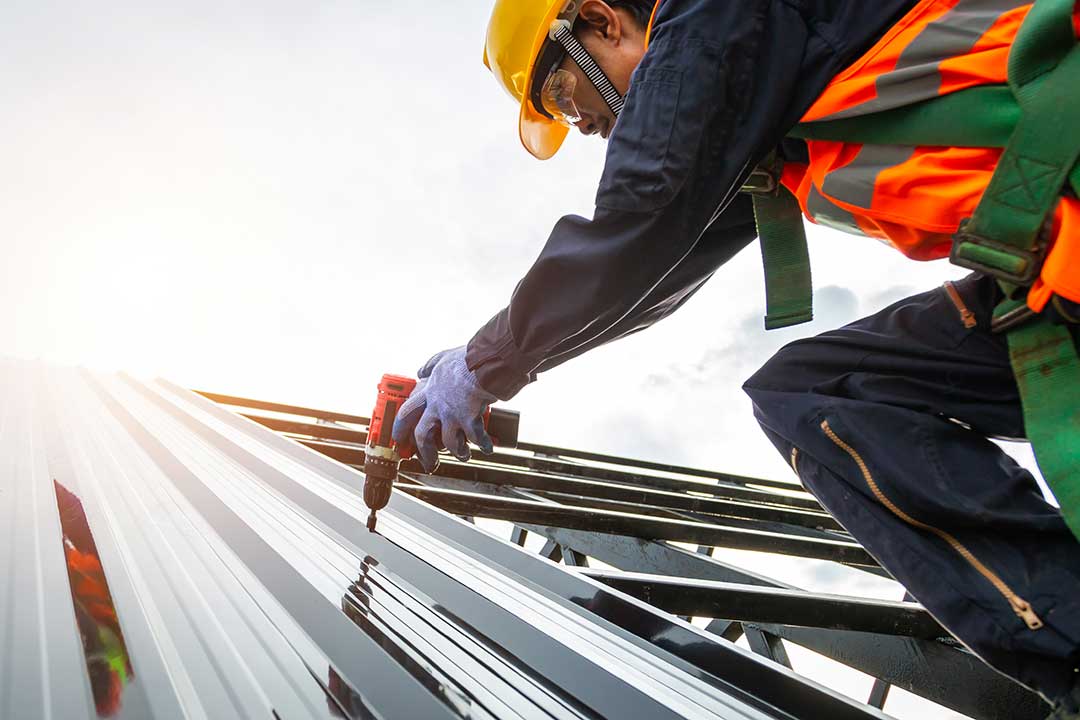
Age alone does not determine roof condition, but widespread age-related damage is difficult to correct with scattered repairs. A roof with many failing shingles may continue to leak even after individual problem areas are patched.
How should homeowners inspect the problem safely?
A ground-level inspection should come first. Look for raised edges, missing pieces, dark or damp areas, excessive granules in gutters, and shingles that appear noticeably different from nearby sections.
From inside the attic, check for:
- Daylight visible through the roof deck
- Water stains or darkened wood
- Damp insulation
- Rust around fasteners
- Condensation on the underside of the roof
- Musty smells or signs of biological growth
Do not inspect a roof during rain, snow, frost, strong wind, or icy conditions. Ladders and roof surfaces become especially hazardous during the cold-weather months common in the region. If roof access requires working near power lines, steep slopes, unstable materials, or damaged structural components, the situation presents a genuine safety hazard and should not be treated as a do-it-yourself task.
How can future curling and cracking be reduced?
Good roof performance depends on both the shingles and the conditions beneath them. Keeping attic insulation properly placed and maintaining balanced intake and exhaust ventilation can help limit excessive heat and moisture buildup.
Other useful practices include:
- Keep gutters and downspouts clear so water does not back up beneath roof edges.
- Trim branches that rub against the roof or may fall during storms.
- Check flashing around roof openings after major weather events.
- Avoid walking on shingles unless absolutely necessary.
- Look through the attic twice a year for moisture or daylight.
- Inspect visible roof areas in spring and after significant wind or hail.
- Address small leaks before repeated wetting damages wood and insulation.
In Greene, winter snow and ice can conceal roof problems for weeks, while spring thaw can reveal leaks that began earlier. A visual check after snow has cleared is often more informative than inspecting during active winter weather.
Common misconception: curling always means the entire roof must be replaced
Not necessarily. A few damaged shingles may be repairable, particularly when the rest of the roof remains sound. However, widespread curling or cracking is a different situation. The extent, pattern, age, ventilation, and condition of the roof deck all matter.
The most useful first step is to determine whether the damage is isolated or widespread, whether water has entered the roofing system, and whether the shingles remain flexible enough for safe repair.
