
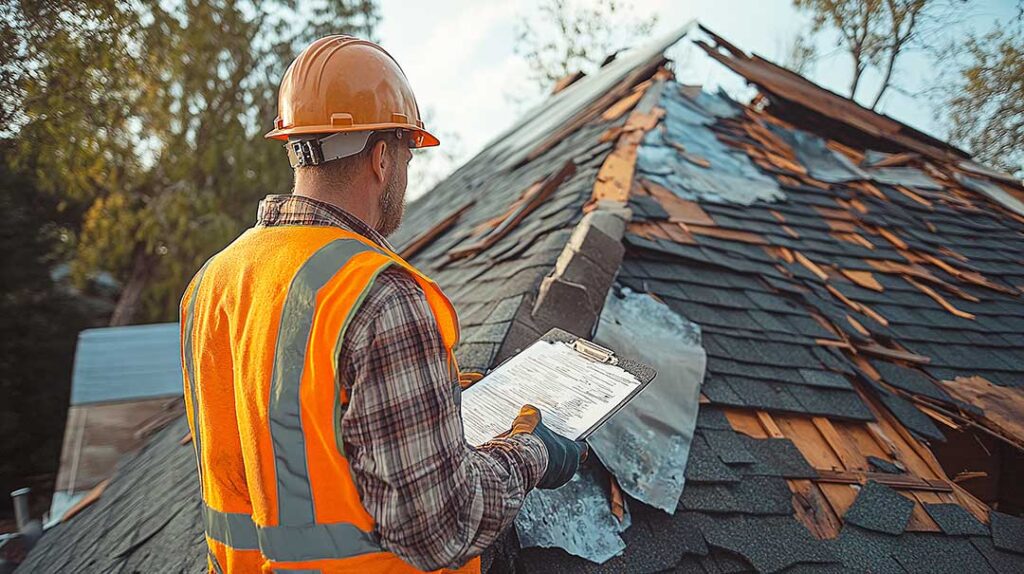
What is the difference between re-roofing and roof replacement?
Re-roofing adds a new layer of roofing material over an existing layer, while roof replacement removes the existing roofing down to the roof deck before installing a new system.
The distinction affects cost, durability, inspection, ventilation, moisture control, and the ability to find hidden damage. The terms are sometimes used loosely, so a homeowner should ask exactly what work is included rather than relying on the label alone.
For many houses, re-roofing means installing a second layer of asphalt shingles over one existing layer. Roof replacement is more extensive: the old shingles, underlayment, flashing that needs renewal, and other surface materials are removed so the roof deck can be examined.
How does re-roofing work?
Re-roofing covers the existing roof covering with new material, provided the existing roof is suitable as a base. The underlying shingles remain in place, and the new layer is fastened over them.
This approach may be considered when:
- The existing roof has only one layer of shingles.
- The roof deck appears structurally sound.
- There are no widespread leaks or areas of trapped moisture.
- The roof surface is reasonably flat and not badly distorted.
- The new roofing material is allowed over the existing covering.
- Roof edges, valleys, flashing, and ventilation can still be handled properly.
Re-roofing can provide a quicker surface improvement and may reduce the amount of tear-off debris. However, it does not correct problems beneath the existing shingles. If the deck is weakened, the underlayment is failing, or water has entered around chimneys, walls, valleys, or roof penetrations, those conditions may remain hidden.
A second layer also adds weight. The roof structure must be able to support the existing and new materials, along with snow and installation loads. That consideration matters in a region where winter weather can place repeated loads on a roof.
What happens during a roof replacement?
A roof replacement generally includes removing the existing roof coverings down to the roof deck. The exposed deck can then be inspected for soft spots, staining, delamination, water damage, inadequate fastening, or other defects.
A typical replacement may include:
- Removal of old shingles or other roof coverings.
- Inspection of the roof deck.
- Replacement of damaged sheathing where necessary.
- Installation of new underlayment and ice-barrier materials where required.
- Renewal of step flashing, valley materials, pipe boots, and other vulnerable details.
- Installation of new roof coverings.
- Examination of attic ventilation and roof-edge conditions.
A replacement does not automatically mean that every part of the roof structure is rebuilt. Rafters, trusses, fascia, soffits, and other components are repaired or replaced only when their condition and the project scope require it.
The main advantage is visibility. Once the old roof is removed, concealed problems can be addressed instead of being covered. The tradeoff is more labor, more debris, and a greater likelihood that additional repairs will be discovered.
Which option is better for an older roof?
The condition of the entire roof assembly matters more than the age of the shingles alone. An older roof with a sound deck and limited surface wear may sometimes qualify for re-roofing. A roof with recurring leaks, multiple layers, widespread curling, sagging, or soft decking is more likely to need full replacement.
Warning signs that favor replacement include:
- Shingles that are curled, brittle, cracked, or missing in many areas.
- Granules collecting heavily in gutters or at downspouts.
- Repeated leaks after previous patching.
- Dark stains or damp insulation in the attic.
- Sagging lines along the roof plane.
- Spongy areas underfoot, where walking is safe and appropriate.
- More than one existing layer of roofing.
- Damaged flashing around chimneys, dormers, walls, or plumbing penetrations.
- A roof surface that appears uneven beneath the shingles.
A roof can look acceptable from the ground while still having damaged decking or inadequate ventilation. Conversely, a few isolated stains do not always mean the entire roof must be replaced. A careful assessment should separate localized repairs from system-wide failure.
Can new shingles be installed over old shingles?
Sometimes, but not in every situation. Re-roofing is generally limited by the condition and number of existing layers, the roofing material, the roof slope, and applicable code requirements.
New shingles should not be used to conceal:
- A deteriorated or water-damaged deck.
- Severe roof sagging.
- Widespread moisture beneath the existing covering.
- Improperly installed flashing.
- Structural movement.
- A roof that already has too many layers for the intended assembly.
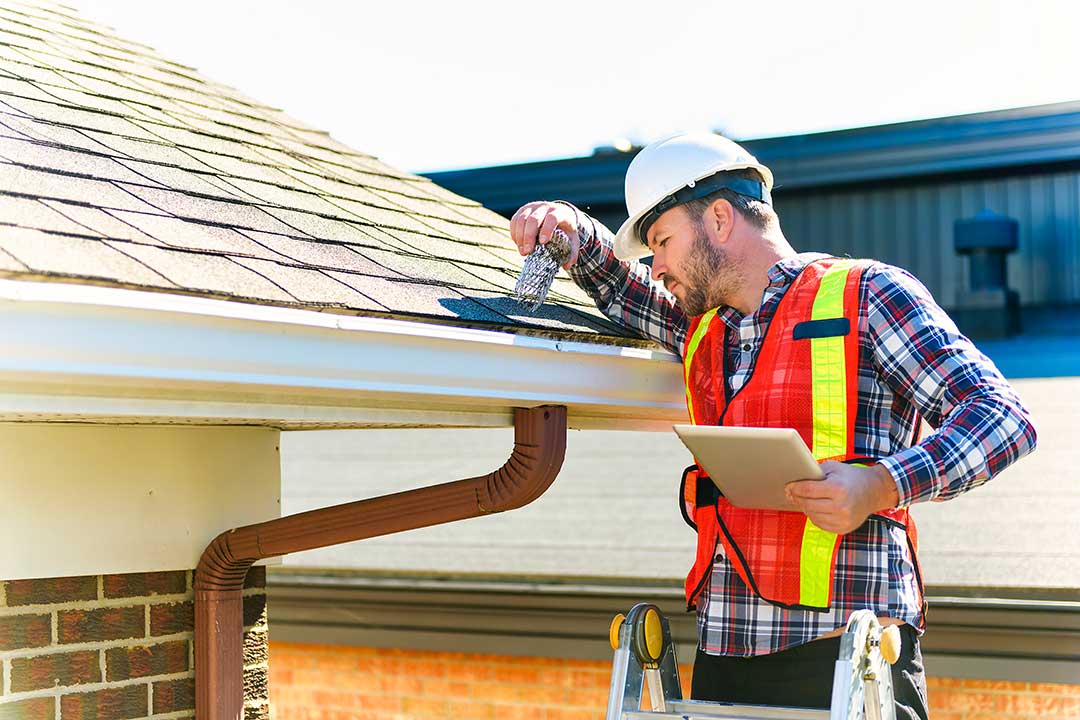
Roof replacement in New York includes removal of existing roof coverings down to the roof deck, subject to limited code exceptions. Re-roofing and roof recover work also must meet applicable requirements for materials, drainage, structural capacity, and installation.
Local permit rules should be checked before work begins. Roofing permits are required in Greene, and permit requirements may differ depending on whether the project is classified as roof replacement, roof recover, or another type of alteration.
How do winter conditions affect the decision?
Seasonal weather can expose weaknesses that remain unnoticed during dry months. Snow, ice, freeze-thaw cycles, wind, and spring rain can put additional stress on roofing materials and flashing.
Ice dams may form when heat escapes into a poorly insulated or inadequately ventilated attic, melting snow that later refreezes near the eaves. A new outer layer of shingles does not, by itself, correct attic heat loss, blocked ventilation, or inadequate ice-barrier protection.
Before choosing re-roofing, it is useful to consider:
- Whether the roof has experienced winter leaks.
- Whether gutters and eaves have signs of ice buildup.
- Whether attic insulation and ventilation are balanced.
- Whether roof valleys and eaves show staining or deterioration.
- Whether wind has loosened or lifted shingles.
- Whether snow loads have revealed sagging or structural movement.
In older homes, roof geometry can also complicate the decision. Dormers, intersecting roof sections, enclosed porches, additions, and masonry chimneys create more flashing details and more potential paths for water.
Does re-roofing last as long as replacement?
Re-roofing can provide useful service when the existing roof is in good condition and the installation is properly designed. Its expected life depends on the new material, roof exposure, ventilation, workmanship, weather, and the condition of the old layer beneath it.
A replacement generally offers a clearer foundation because the deck and vulnerable details can be inspected first. That does not guarantee a problem-free roof, but it reduces the chance that major defects are simply hidden under new shingles.
The warranty language for a new roof may also distinguish between the roofing material and the installation. A material warranty does not necessarily cover damaged decking, poor ventilation, pre-existing leaks, or workmanship problems.
What questions should homeowners ask before approving work?
The most useful questions focus on the roof assembly, not just the price or the appearance:
- How many existing roof layers are present?
- Will the existing covering remain, or will it be removed to the deck?
- How will the roof deck be inspected?
- What happens if damaged sheathing is found?
- Will flashing be replaced, reused, or covered?
- How will valleys, eaves, and roof penetrations be treated?
- Is attic ventilation adequate?
- Are permits required for this scope of work?
- What conditions would change the planned approach?
- Which parts of the work are covered by material and installation warranties?
The central difference is simple: re-roofing covers an existing roof, while replacement exposes and renews the roof system down to the deck. For a sound, single-layer roof, re-roofing may be reasonable. For a roof with hidden damage, repeated leaks, multiple layers, or structural concerns, full replacement provides a more complete way to identify and correct the underlying problems.
