
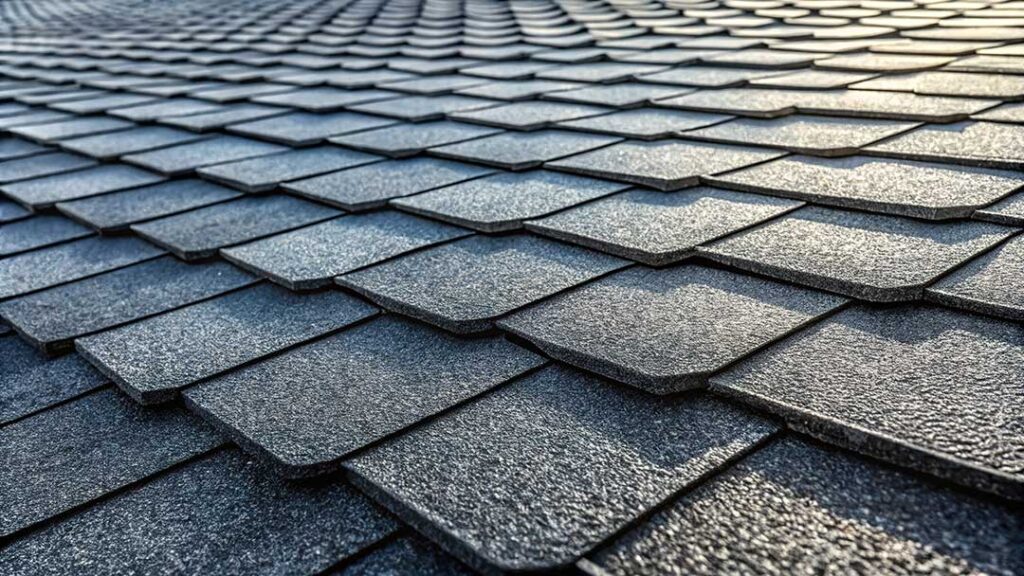
Roof work can sometimes be handled by a homeowner, but only when the task is low-risk, the roof is stable, weather conditions are favorable, and proper safety equipment is available. Repairs involving steep slopes, significant height, structural damage, electrical equipment, or uncertain roof conditions are not appropriate do-it-yourself projects.
For residents of Greene, NY, seasonal weather adds another consideration. Snow, ice, spring moisture, summer heat, falling leaves, and sudden wind can make a roof unsafe even when the roof appears manageable from the ground.
Which roof tasks are usually reasonable for a homeowner?
Small inspection and maintenance tasks may be suitable for someone with basic tools and good ladder safety. Examples include:
- Looking for missing or visibly damaged shingles from the ground
- Cleaning leaves from easily reached gutters
- Checking attic areas for daylight, damp insulation, or water stains
- Replacing a small amount of exposed pipe flashing when the work area is low and safely accessible
- Removing small amounts of loose debris from a low-slope roof using tools from a secure position
- Replacing a damaged downspout connection from a ladder placed on stable ground
Even these tasks require caution. A ladder should stand on firm, level ground, remain clear of overhead wires, and extend high enough to provide a safe handhold when stepping onto a roof or landing. Wet leaves, frost, and shaded surfaces can make roof materials slippery.
A ground-level inspection is often the safest first step. Binoculars can help identify lifted shingles, sagging roof lines, damaged flashing, and clogged drainage without placing anyone on the roof.
When is a roof too dangerous for DIY work?
A roof should generally be considered unsafe for untrained or unequipped homeowners when it has any of the following conditions:
- A steep pitch that makes standing difficult
- More than one story of fall exposure
- Ice, frost, rain, dew, or wet roofing materials
- Strong wind or a forecast for changing weather
- Soft, sagging, rotten, or visibly damaged decking
- Areas covered by moss or heavy organic growth
- Loose shingles or debris that can slide underfoot
- Skylights, fragile panels, or roof openings
- Nearby power lines
- Structural movement, such as a dipping ridge or sagging roof plane
- Fire, storm, or tree damage
- A roof that cannot be reached without climbing across an unstable surface
Height matters even when a roof looks shallow. A fall from a relatively low roof can still cause serious head, back, or spinal injuries. Roofing work commonly involves awkward lifting, kneeling, twisting, and moving across surfaces that are less secure than they appear.
What safety equipment is actually needed?
A harness by itself does not make roof work safe. Fall protection must be properly selected, attached to an appropriate anchor, and used with enough clearance to prevent striking a lower surface. Improvised attachment points, chimney parts, plumbing vents, ridge caps, and decorative framing are not reliable anchors.
Depending on the job, safe roof access may require:
- A properly secured extension ladder
- Roof brackets or a stable working platform
- Guardrails or edge protection
- A full-body fall-arrest system
- A correctly installed roof anchor
- A rope grab or lifeline designed for the system
- Hard-soled, slip-resistant footwear
- Eye protection and work gloves
- A tool belt or secured tools to keep objects from falling
Fall protection is especially important when work is performed six feet or more above a lower level. Federal workplace rules address many residential construction hazards, but a homeowner should not assume that a minimal setup is safe simply because a particular method may be permitted in a specialized work situation.
A second person should remain nearby whenever someone is working from a ladder or roof. That person should be able to summon help, stabilize access equipment when appropriate, and recognize warning signs such as dizziness, a slip, or sudden weather changes.
How does weather affect roof work in Greene?
Weather can change a safe-looking project into a dangerous one very quickly. In this area, cold-season conditions are a major concern. Snow and ice can hide roof damage, cover weak decking, and create sliding hazards. Ice may also remain in shaded sections after other parts of the roof appear clear.
Warm-weather work has its own risks. Asphalt roofing can become very hot and soft in direct sun, increasing fatigue and making shingles easier to damage. High humidity can make workers tire faster, while thunderstorms and gusty conditions create hazards from lightning, falling branches, and unsecured materials.
Do not begin roof work if:
- Rain is falling or likely before the roof can be covered
- Wind could move shingles, ladders, or tools
- Temperatures are cold enough for frost or ice
- The roof surface is damp
- Severe heat may cause dehydration or poor footing
- Thunderstorms are nearby
- Visibility is reduced by fog, heavy rain, or darkness
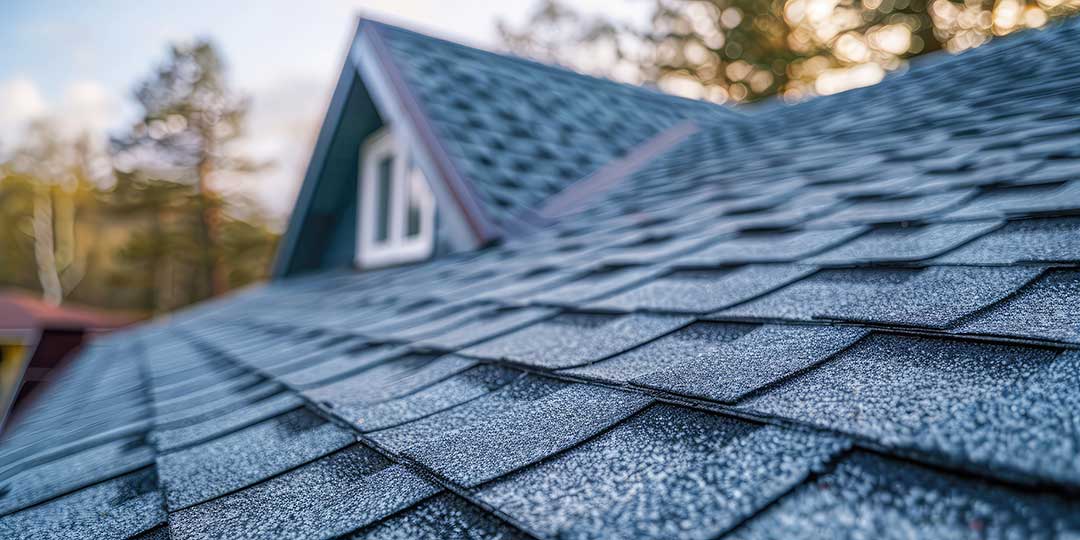
The safest conditions are usually dry, calm, and well lit, with enough time to secure the work area before weather changes.
Can a homeowner repair a leak from inside the attic?
Sometimes a temporary interior measure is safer than climbing onto the roof. If water is entering during rain, place a container under the drip, protect nearby wiring and insulation, and identify the general area of the leak from the attic if it can be done without stepping on ceiling drywall.
Water may travel along rafters or roof decking before entering the living space, so the stain on the ceiling may not be directly below the roof opening. A temporary patch from inside may reduce damage, but it usually does not correct the exterior failure.
Do not enter an attic if there is standing water near electrical equipment, damaged framing, unsafe flooring, extreme heat, or evidence of significant structural failure.
Which roof problems require more than basic DIY skills?
Some problems are difficult to diagnose because the visible symptom is not the underlying cause. A missing shingle may be simple to replace, but repeated leaks can point to failed flashing, improper ventilation, damaged decking, ice-related water entry, or movement in the roof structure.
Professional-level evaluation is warranted when a roof has:
- Repeated leaks after earlier repairs
- Widespread shingle loss
- Rot or soft decking
- Sagging roof lines
- Damage from a fallen tree
- Active leaks near electrical wiring
- Chimney, skylight, or wall-flashing failures
- Mold-like odors or wet insulation across a broad area
- Damage involving solar equipment or other roof-mounted systems
- Suspected asbestos-containing or unusually old materials
Roof replacement is rarely a good first DIY roofing project. It involves material handling, roof-edge exposure, flashing details, ventilation, waste removal, and weatherproofing that must remain reliable across multiple seasons.
Are permits or inspections required?
Roof work may be subject to local permit requirements, especially when the project changes roof structure, replaces decking, alters framing, affects ventilation, or forms part of a larger renovation. Requirements can depend on the exact scope of work and the property’s location.
Before removing roofing materials, verify the current rules with the appropriate building-code office serving Greene. A permit question should be settled before work begins, not after materials have been removed. Homeowners should also check whether insurance coverage, property agreements, or historic-building requirements affect the project.
A practical decision test
DIY roof work is most defensible when all of these statements are true:
- The task is small, clearly understood, and within the homeowner’s experience.
- The roof is low enough and stable enough to access safely.
- The surface is dry, clean, and free of ice or loose debris.
- Proper fall protection and ladder equipment are available.
- Weather will remain calm and dry.
- No electrical, structural, or hazardous-material concern is present.
- The repair can be completed without rushing or working after dark.
- Local permit requirements have been checked.
If any answer is no, the safer choice is to keep the inspection at ground level and avoid climbing until the hazard has been addressed. A minor roof repair is not worth a fall, an electrical injury, or damage that turns a limited problem into a larger one.
