
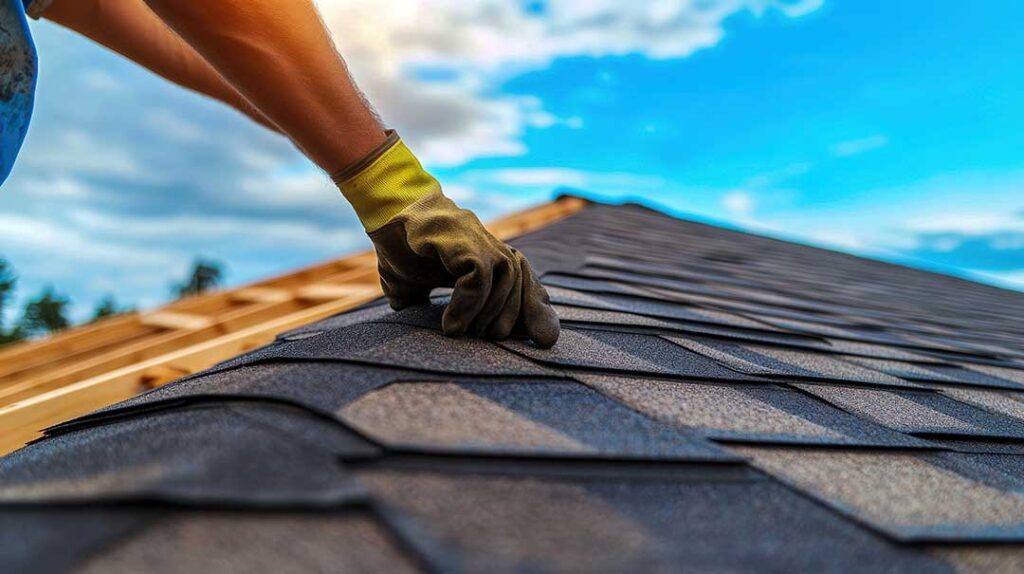
Which roof style is better for a home?
Neither flat nor sloped roofing is automatically better. The right choice depends on the building’s design, how water and snow move across the roof, the available attic space, maintenance expectations, and long-term budget.
For many traditional homes in Greene, NY, a sloped roof is the more practical option because its design naturally sheds rain, snow, and melting ice. Flat roofs can also perform well, especially on additions, garages, porches, and modern-style buildings, but they depend more heavily on proper drainage, surface condition, and regular inspection.
The most suitable roof is usually the one that matches the structure rather than the one that looks most appealing on its own.
What is the difference between a flat roof and a sloped roof?
A flat roof is not usually perfectly level. It is built with a slight pitch so water can flow toward drains, scuppers, or roof edges. Common flat-roof systems include single-ply membranes, modified bitumen, and built-up roofing.
A sloped roof has a more noticeable angle, allowing water to run downward by gravity. It may use asphalt shingles, metal panels, slate, wood materials, or other coverings. The slope can range from a low pitch to a steep roofline.
The difference affects more than appearance. Roof slope influences drainage, ventilation, insulation, snow behavior, usable attic space, material choices, and how easily the roof can be inspected.
Why are sloped roofs common in this area?
Sloped roofs are well suited to seasonal weather because precipitation has a direct path off the roof surface. During winter, a pitched roof can reduce the amount of time snow and meltwater remain on the roof, although snow can still accumulate on low-slope sections, valleys, dormers, and areas protected from wind.
A sloped roof also provides space for an attic or roof cavity. That space can support insulation and ventilation, helping manage indoor temperatures and moisture. In older homes, the attic may also make it easier to observe signs of roof leaks, condensation, or poor ventilation.
However, slope alone does not guarantee good performance. A roof with poorly designed valleys, damaged flashing, inadequate ventilation, or blocked drainage can still develop problems.
What are the advantages of a flat roof?
Flat roofs can be useful where a low-profile design is preferred or where the building includes a broad addition. They may provide a clean appearance, simplify access for certain maintenance tasks, and make it possible to place equipment or create a usable rooftop area when the structure is specifically designed for that purpose.
A flat roof may also be appropriate for:
- Single-story additions
- Porches and enclosed entry areas
- Garages and outbuildings
- Commercial-style structures
- Contemporary residential designs
- Buildings where a tall roof would interfere with windows or nearby structures
Flat roofs often have fewer complex angles than a heavily articulated sloped roof. That can reduce the number of valleys and some types of flashing. The actual performance, however, depends greatly on the drainage layout and installation details.
What are the disadvantages of a flat roof?
The main concern with a flat roof is water management. Because the surface has limited slope, water may drain more slowly. Small depressions, blocked drains, damaged membrane seams, or settled framing can allow water to remain in place.
Standing water increases the chance of membrane deterioration, leaks, algae growth, and damage to the roof deck. In colder weather, repeated freezing and thawing can place additional stress on seams, edges, and flashing.
Snow loads also need attention. A properly designed flat roof can support expected loads, but snow may remain on the surface longer than it would on a steeper roof. Heavy, wet snow is particularly demanding because it weighs more than light, dry snowfall.
A flat roof usually requires closer observation of:
- Drains and scuppers
- Membrane seams
- Roof edges and perimeter flashing
- Areas around vents and equipment
- Ponding water after rainfall
- Cracks, bubbles, wrinkles, or exposed reinforcement
What are the advantages of a sloped roof?
Sloped roofs generally provide faster drainage and offer more flexibility in roofing materials. Asphalt shingles are common on many homes, while metal, slate, and other materials may be selected for particular architectural or durability goals.
A pitched roof can also protect exterior walls and foundation areas by directing water toward gutters and downspouts. Properly functioning gutters help move that water away from the building, reducing the risk of splashback, soil erosion, basement moisture, and icy walkways.
Other advantages include:
- Better natural shedding of rain and snow
- More options for attic insulation and ventilation
- Easier visual identification of some damaged areas
- Greater compatibility with traditional home designs
- Potentially longer service life for certain roof coverings
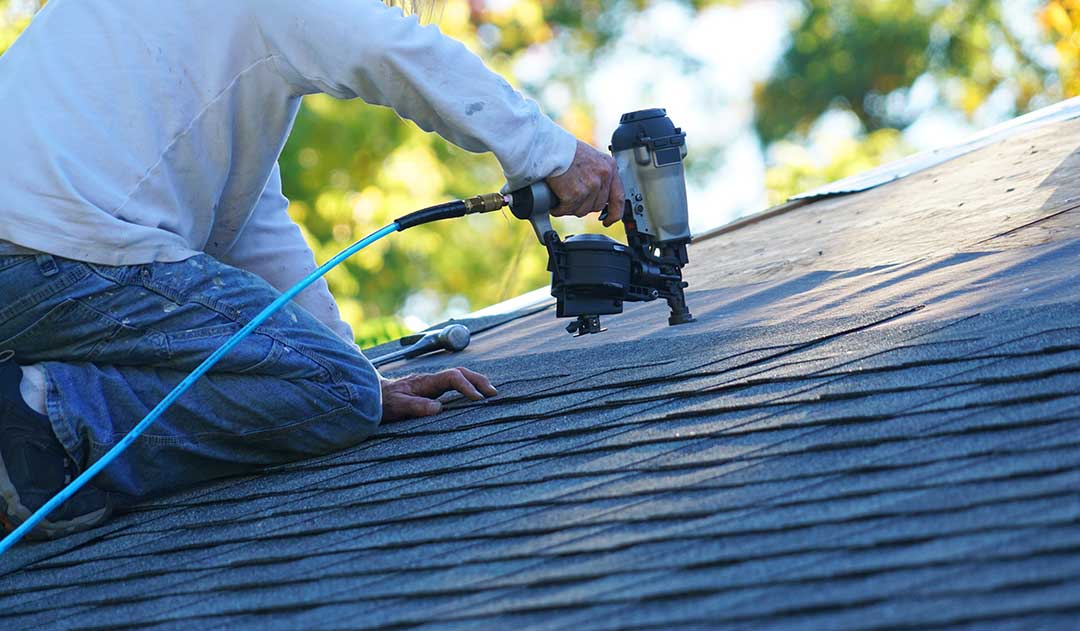
The roof still needs careful detailing. Chimneys, skylights, valleys, dormers, and wall intersections are common locations for leaks because they interrupt the roof’s drainage path.
Are sloped roofs more expensive than flat roofs?
The answer depends on the building and materials. A simple sloped roof may be cost-effective, while a complex roof with multiple ridges, valleys, dormers, and penetrations can require more labor and flashing. A flat roof may have a simpler shape but use specialized membrane materials and drainage components.
Long-term cost also matters. A roof that is less expensive to install may require more frequent inspections or repairs if its drainage system is vulnerable. Conversely, a higher-quality roof system may cost more initially but offer better resistance to weather, punctures, ultraviolet exposure, and seasonal movement.
Comparisons should consider the entire roof assembly, including:
- Deck condition
- Insulation
- Ventilation
- Flashing
- Drainage components
- Roof covering
- Edge details
- Access for future maintenance
How do snow and ice affect the decision?
Snow and ice are relevant for both roof styles, but they behave differently. On a sloped roof, snow may slide suddenly, especially over smooth metal surfaces. This can create a hazard near entrances, walkways, lower roofs, or parked vehicles.
On a flat roof, snow typically stays in place until it melts or is removed. The structural design must account for the expected weight, and drainage must remain clear so meltwater does not collect and refreeze.
Ice dams are more closely related to heat loss and attic ventilation than to roof shape alone. They can form when heat escaping from the building melts snow on the upper roof, followed by refreezing near colder eaves. Adequate insulation, air sealing, and ventilation can reduce the conditions that contribute to this problem.
Which roof is easier to maintain?
Sloped roofs often shed debris and water more effectively, but they can be difficult or dangerous to walk on. Flat roofs are easier to reach in some cases, yet they may need more frequent checks because small drainage problems can become serious over time.
Routine observation should include looking for missing or damaged materials, clogged drainage paths, deteriorated flashing, unusual stains, interior dampness, and signs of sagging. Roof access should be treated cautiously, especially during wet, icy, or windy conditions.
A steep roof, a fragile surface, or a roof with structural damage may require qualified assistance because falls and roof-deck failures can cause serious injury.
Which option makes sense for an existing home?
For an existing building, the roof’s current shape is usually part of the structural design. Changing from a sloped roof to a flat roof, or the reverse, is not simply a matter of replacing the outer covering. It may involve changes to framing, drainage, insulation, ventilation, wall connections, exterior appearance, and local building requirements.
For that reason, repairs and replacement planning generally begin with the existing roof’s condition and the building’s design. A sloped roof is often retained on traditional homes because it works with the existing attic, gutters, framing, and exterior walls. A flat roof may remain the practical choice for an addition or low-profile structure designed around that system.
The best decision balances drainage, snow performance, ventilation, maintenance access, appearance, structural requirements, and expected service life rather than relying on roof shape alone.
