

What does the roofing process usually involve?
A roofing project generally moves through several stages: inspection, planning, material selection, preparation, removal, installation, cleanup, and follow-up review. Understanding this sequence helps homeowners know what decisions matter, what conditions may cause delays, and which parts of the work deserve careful attention.
For homes in Greene, NY, roofing work must account for changing seasons, winter snow, ice, wind, rain, and repeated freeze-thaw cycles. These conditions can affect both the timing of a project and the long-term performance of the roof system.
How does the process begin?
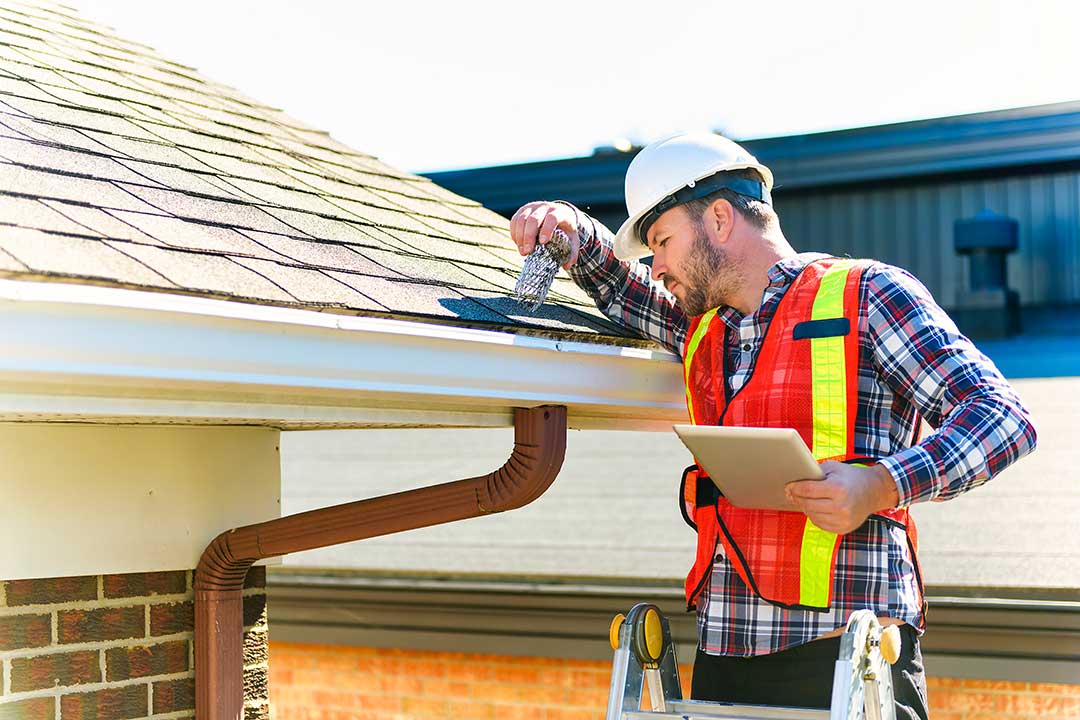
The first step is a careful evaluation of the existing roof and the building below it. A proper inspection looks beyond visible shingles and considers the roof’s age, slope, drainage, flashing, ventilation, and signs of moisture.
The inspection may identify:
- Missing, cracked, curled, or loose roofing materials
- Soft areas that suggest damaged decking
- Water stains or active leaks in the attic
- Rusted or separated flashing around chimneys, walls, and roof openings
- Blocked or inadequate ventilation
- Sagging roof sections
- Damaged gutters or drainage paths
- Moss, algae, or debris that may retain moisture
A leak does not always appear directly above the interior stain. Water can travel along roof decking, rafters, insulation, or wall framing before becoming visible inside the home. For that reason, patching the exact spot where water appears indoors may not solve the underlying problem.
How is it decided whether to repair or replace a roof?
A repair may be reasonable when the damage is limited, the surrounding materials remain sound, and the roof still has useful service life. Replacement becomes more likely when problems are widespread, recurring, or connected to the roof’s underlying structure.
Age alone does not determine the answer. A relatively young roof may require major work after storm damage, poor ventilation, improper installation, or long-term moisture exposure. An older roof may remain functional if it has been well maintained and has no significant structural or water-related problems.
The decision usually depends on the condition of the entire system, including:
- Surface materials
- Underlayment
- Roof decking
- Flashing
- Ventilation
- Valleys and drainage areas
- Chimneys, skylights, dormers, and wall intersections
Covering an existing roof may appear simpler, but it can conceal damaged decking and add weight. Whether an additional layer is allowed also depends on applicable building requirements and the condition of the existing roof.
What planning happens before work begins?
Planning includes choosing materials, confirming the roof design, reviewing access needs, and checking whether permits or inspections apply. Local requirements can vary according to the type of work, the property, and the municipality’s current rules, so homeowners should verify those details before construction starts.
Material selection should consider more than appearance. Relevant factors include:
- Roof slope and drainage
- Expected snow and wind exposure
- Ice and water protection in vulnerable areas
- Compatibility with existing flashing
- Ventilation needs
- Fire and weather performance
- Weight and structural capacity
- Maintenance expectations
- Appearance within the surrounding neighborhood
A roof should also be coordinated with gutters, siding, masonry, attic insulation, and ventilation. Changing one part without considering the others can create drainage or moisture problems.
What happens during roof removal?
During removal, existing roofing materials are taken off in a controlled manner so the roof deck can be examined. The decking is the structural surface beneath the visible roofing. It must be firm, dry, and properly fastened before new materials are installed.
Removal may reveal conditions that could not be seen from the ground, such as:
- Rotted or delaminated decking
- Old layers of roofing material
- Improperly placed fasteners
- Hidden leaks
- Damaged rafters or framing
- Inadequate flashing
- Debris trapped near valleys or wall intersections
Discovering damaged decking is not necessarily a sign that the project was poorly planned. Some defects remain concealed until the roof covering is removed. However, changes to the work should be clearly explained, especially when they affect cost, timing, or the design of the roof system.
How is a new roof installed?
Installation usually begins with preparation of the roof deck, followed by underlayment, edge protection, flashing, and the main roofing material. The exact order can vary by roof design and material, but water-shedding details are central to the process.
Important areas include:
- Eaves, where ice and trapped water can create problems
- Valleys, where large amounts of water converge
- Rakes and edges, which are exposed to wind
- Chimneys and wall intersections
- Plumbing vents and other roof penetrations
- Skylights, dormers, and changes in roof slope
Shingles or other surface materials are only one part of the roof. Flashing directs water away from vulnerable joints, while underlayment provides a secondary layer beneath the outer covering. Proper fastening, alignment, overlap, and sealing all affect durability.
Ventilation also deserves attention. A balanced system allows air to enter near the lower roof edge and leave near the upper portion, when the roof design permits. Poor ventilation can contribute to condensation, excess heat, premature material aging, and winter moisture problems.
How long does roofing work take?
The duration depends on roof size, complexity, weather, material availability, hidden damage, and the number of layers being removed. A simple roof may progress quickly, while roofs with multiple slopes, dormers, chimneys, or difficult access require more time.
In Greene, NY, weather can affect scheduling throughout the year. Rain, snow, freezing temperatures, strong winds, and wet roof decking may interrupt work or make certain installation steps unsuitable. Roofing materials also have temperature and moisture limitations. A delay caused by unsafe or unsuitable conditions is different from unnecessary inactivity.
Homeowners should expect some temporary disruption, including noise, vibration, material deliveries, and restricted access around the building. Windows and fragile exterior items may need protection, and vehicles or outdoor furniture may need to be moved away from work areas.
What should homeowners inspect after installation?
A final review should confirm that the roof is complete, the site is reasonably clean, and drainage paths are open. Useful items to check include:
- Shingles or other materials appear properly aligned
- Flashing is present around penetrations and roof-to-wall joints
- Gutters and downspouts are not blocked by debris
- Loose nails and discarded materials have been removed
- Attic areas show no new moisture or daylight openings
- Exterior trim, siding, and landscaping were not unnecessarily damaged
- Ventilation openings remain unobstructed
It is also wise to keep records of the work, including the installation date, materials used, photographs, permit information when applicable, and any maintenance instructions. These records can help with future repairs and property documentation.
Which maintenance tasks protect a roof?
Routine observation can identify small problems before they become larger ones. After major wind or winter weather, homeowners can look from the ground for missing materials, displaced flashing, blocked gutters, or hanging debris. Attic inspections can reveal damp insulation, musty odors, staining, or daylight where no opening should exist.
Avoid walking on steep or wet roofs. Roof surfaces can be slippery even when they appear dry, and damaged materials may break underfoot. Conditions involving exposed wiring, structural sagging, active leaks near electrical fixtures, or significant storm damage require extra caution.
A roof is not just a layer of shingles. It is a coordinated system that manages water, air, snow, heat, and structural loads. Understanding how the parts work together makes it easier for local homeowners to recognize problems, ask informed questions, and maintain the building through the seasons.
